기치
집

OEM 가방

OEM 가방

  • PFAS 무함유란 무엇을 의미하나요?
    PFAS 무함유란 무엇을 의미하나요? Nov 18, 2026
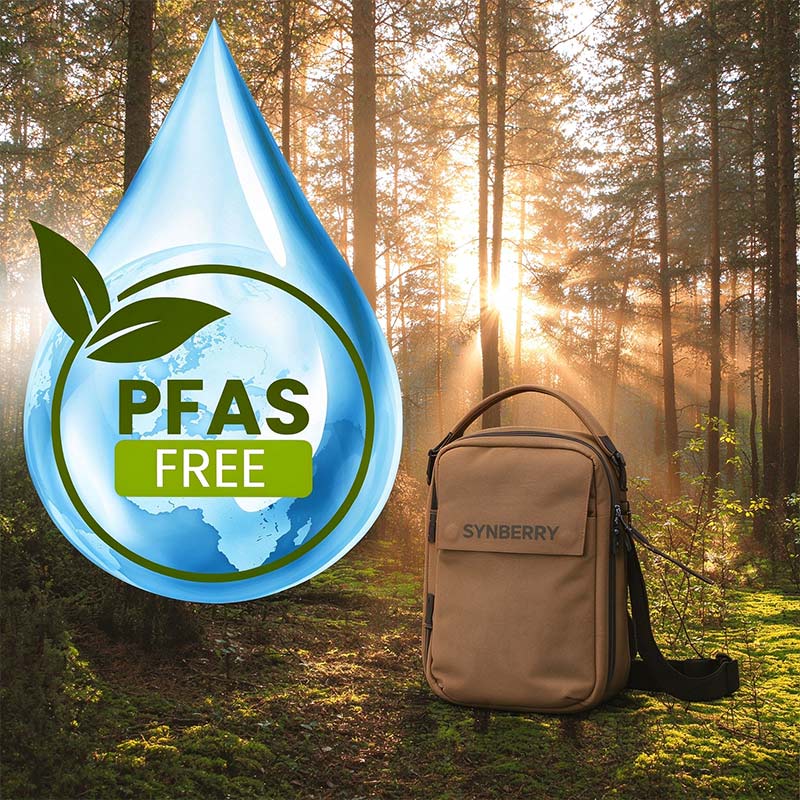
      PFAS-free (free of per- and polyfluoroalkyl substances) is a claim or certification mark meaning that no PFAS has been intentionally added to a product, and that testing confirms any residual content is below the limit of detection or below specific strict thresholds. PFAS are a class of man-made chemicals known as "forever chemicals." Widely used for their water-, oil-, and heat-resistant properties, they resist degradation in the environment and may pose risks to human health. What qualifies as "PFAS-free"? Currently, there is no unified, mandatory legal definition of "PFAS-free" worldwide. Mainstream third-party certification bodies generally evaluate products on two levels: •Supply-chain declaration — proving "no intentional use." The company must demonstrate that no PFAS was intentionally used in its production or sourcing processes. •Finished-product testing — below trace limits. SGS certification, for example, requires total fluorine (TF) below 20 ppm, or total targeted PFAS below 25 ppb (depending on the test method). NSF certification likewise requires total organic fluorine (TOF) to approach zero detection. Contents •What is PFAS, and why is it in the textile industry? •How do you achieve PFAS-free? •Does going fluorine-free compromise performance? •2026 global regulations explained •How we help bag brands achieve PFAS compliance •FAQ •Conclusion   1. What Is PFAS, and Why Is It in the Textile Industry?   1.1 Definition and characteristics PFAS stands for per- and polyfluoroalkyl substances — a large family of synthetic chemicals defined by at least one fully fluorinated carbon atom (—CF2— or —CF3) in the molecular structure, with more than 10,000 known variants. Familiar members of the family include PFOA (perfluorooctanoic acid), PFOS (perfluorooctane sulfonic acid), and PTFE (polytetrafluoroethylene). The defining feature of PFAS is the carbon–fluorine bond (C–F), one of the strongest bonds in organic chemistry. It gives PFAS two "superpowers": •Extreme stability: resistant to heat, acids, alkalis, and oxidation, with virtually no degradation in nature — hence the name "forever chemicals"; •Exceptional surface performance: simultaneously repelling water, oil, and stains, which makes PFAS the most effective raw material ever used in water-, oil-, and stain-repellent finishes. 1.2 Typical applications of PFAS in bag fabrics For the bag industry, PFAS are used widely. Common applications include: •DWR (durable water repellent) finishes: the "lotus-leaf effect" water repellency on backpacks and travel bags has traditionally relied on fluorinated (C8/C6) water repellents; •Triple-protection finishes: oil- and stain-resistant treatments, common on laptop bags, cosmetic bags, and diaper bags; •Coating and lamination: fluorinated auxiliaries used in certain PU/PVC coating processes; •Zippers, webbing, and sewing thread: these accessories may also carry fluorinated finishes; •Membranes: PTFE-based waterproof-breathable membranes (used in some premium outdoor fabrics). 1.3 Why restrict PFAS? The stability of the carbon–fluorine bond is a double-edged sword. Once released into the environment, PFAS barely break down and accumulate through water systems and the food chain. Certain PFAS (such as PFOA and PFOS) have been linked to immunotoxicity, endocrine disruption, and liver and kidney damage. Both PFOA and PFOS are listed under the Stockholm Convention on Persistent Organic Pollutants (POPs) and are banned or severely restricted worldwide. In addition, the production of fluorinated water-repellent finishes is itself a significant industrial source of PFAS emissions.   2. How Do You Achieve PFAS-Free?   2.1 Formulation: switch to "C0" water repellents In the bag industry, C8, C6, and C0 refer to the length of the fluorocarbon chain in a water repellent: C8 is the original long-chain chemistry (now largely phased out), C6 is the short-chain replacement (still a PFAS), and C0 is a fluorine-free water repellent. Switching to fluorine-free (C0) finishes is widely recognized in the Customized bag industry as the most direct technical route. In principle, fluorine-free repellents rely on long-chain alkyl, polyurethane, or polyacrylate structures to form a low-surface-tension layer on the fiber, creating the "lotus-leaf" water-repellent effect. Compared with fluorinated finishes, their water repellency can approach similar levels, but oil and stain resistance is inherently weaker — which is why fluorine-free adoption has been slower in categories with high stain-resistance requirements, such as laptop bags and cosmetic bags. Brands should first clarify the true functional priorities of the product: if water repellency is the core need, fluorine-free solutions are relatively mature; if oil and stain resistance is also essential, achieving it usually requires changes to fabric construction or additional functional finishes, rather than relying on a single water-repellent agent.   2.2 Process •Pre-treatment: Fluorine-free repellents are far more sensitive to pre-treatment cleanliness than fluorinated systems. Residual sizing, incompletely scoured oils, dye residues, and even calcium and magnesium ions in the water compete for adsorption with the active ingredients, preventing uniform film formation on the fiber surface. The visible results are low initial spray ratings, patchy "water marks," or uneven repellency. When switching to fluorine-free, the thoroughness of pre-treatment washing often matters more than repellent selection itself; an extra soaping step, or adjusted washing temperature and cycles, may be needed to ensure a clean, evenly hydrophilic fabric surface. •Curing: Curing parameters must be reset as well. Crosslinking and orientation of fluorine-free finishes on the fiber require sufficient, uniform heat input. Under-curing produces a weak film whose performance decays rapidly with washing; excessive or uneven heat can cause a harsh hand feel, shade change, or loss of strength. •Production-line changeover: Fluorine-free processing is extremely sensitive to cross-contamination. If a stenter or finishing bath previously handled fluorinated agents and was not thoroughly cleaned, residual fluorine alone can push total fluorine test results over the limit. Cleanliness management on the process side is, in effect, a precondition for passing compliance testing after a fluorine-free switch. 3. Does Going Fluorine-Free Compromise Performance? This is brands' most common concern. Objectively speaking: •Water repellency: modern fluorine-free DWRs (C0, silicone-, wax-, dendrimer-, and polyurethane-based) can achieve initial spray ratings comparable to fluorinated products (e.g., 90–100 in spray tests) — more than enough for everyday backpacks and commuter bags; •Wash durability: fluorine-free finishes decay slightly faster after washing; performance can be reactivated by tumble drying or low-temperature ironing, or improved by choosing durable formulations; •Oil and stain resistance: this is the genuine weakness of fluorine-free technology — no fully equivalent replacement for the oil repellency of carbon–fluorine bonds currently exists. For categories with demanding oil-resistance requirements (such as outdoor cookware storage or industrial protective bags), compensation comes through dense fabric constructions, soil-release finishes, or liner design. Category recommendations: Category Recommended approach City commuter bags, laptop bags C0 fluorine-free DWR is sufficient; no perceptible performance difference Outdoor backpacks, travel bags High-performance fluorine-free DWR + water-repellent zippers + structural waterproofing Diaper bags, cosmetic bags Fluorine-free triple-protection alternatives; prioritize stain-resistant, soil-release finishes Professional protective / industrial use Monitor "essential use" exemptions in national regulations, but assess long-term supply risks   4. 2026 Global Regulations Explained Below is a market-by-market summary of the regulatory requirements and timelines directly relevant to bag products.   4.1 European Union: a multi-layered regulatory web (1) POPs Regulation (in force): Regulation (EU) 2019/1021 has long prohibited the use of PFOS, PFOA, PFHxS, their salts, and precursor substances on the EU market (subject to specific exemptions). (2) REACH Annex XVII Entry 79 — PFHxA restriction: Commission Regulation (EU) 2024/2462 provides that, from 10 October 2026, textiles, leather, fur, and footwear placed on the market for the general public must not contain PFHxA and its salts above 25 ppb in total, or PFHxA-related substances above 1,000 ppb in sum. PFHxA is the typical degradation product of C6 repellents, so this rule effectively restricts the use of short-chain fluorinated finishes in EU consumer applications.   (3) Universal PFAS restriction proposal (in progress): submitted in 2023 by Denmark, Germany, the Netherlands, Norway, and Sweden, this REACH restriction proposal targets all roughly 10,000 PFAS. Latest progress: ECHA's Risk Assessment Committee (RAC) adopted its final opinion in March 2026, confirming that the risks are sufficient to support a strict restriction; the Committee for Socio-Economic Analysis (SEAC) is expected to deliver its final opinion by the end of 2026, after which the proposal enters the European Commission's legislative process. The industry generally expects adoption around 2028–2029 — the "final act" hanging over all fluorinated materials. (4) PPWR packaging regulation: from 12 August 2026, the EU Packaging and Packaging Waste Regulation (PPWR) imposes PFAS limits on food-contact packaging. The direct takeaway for bag brands: EU PFAS controls are spreading across all product categories.   4.2 France: the first national ban in force Law No. 2025-188 (adopted in February 2025) and its implementing Decree No. 2025-1376 are currently the world's most aggressive consumer-product PFAS legislation: Timeline Requirement 1 January 2026 Ban on manufacturing, importing, and selling cosmetics, clothing textiles, footwear, waterproofing products, and ski waxes above PFAS thresholds 31 December 2026 Sell-through deadline for stock produced before 2026 1 January 2030 Ban extends to all textiles (except industrial and defense protective uses)   Content thresholds (aligned with the EU PPWR): •Any single PFAS (excluding polymers): < 25 ppb •Sum of all PFAS (excluding polymers): < 250 ppb •Sum of all PFAS (including polymers): < 50 ppm, equivalent to 50 mg/kg total fluorine   4.3 Denmark: total fluorine as the benchmark From 1 July 2026, Denmark prohibits the import and sale of clothing, footwear, and waterproofing products with total fluorine content at or above 50 mg/kg. Using "total fluorine" as the criterion means fluorine from any source — including fluoropolymers — counts toward the limit.   4.4 United States: dense state-level legislation •California AB 1817: from 1 January 2025, intentionally added PFAS is banned in textiles (apparel, bedding, towels, etc.), and manufacturers must provide a certificate of compliance (CoC); outdoor apparel for severe wet conditions has a transition period through 1 January 2028. California's threshold is expressed as total organic fluorine (TOF) in ppm and tightens over time. •New York S5648: from 1 January 2025, the sale of apparel with intentionally added PFAS is banned; extreme-condition outdoor apparel follows in 2028. •Vermont Act 131: from 1 January 2026, intentionally added PFAS is banned across multiple product categories, including textiles, cosmetics, and juvenile products. •Other states: Washington, Colorado, Maine, and others have their own bans or reporting requirements (Maine requires reporting of intentionally added PFAS in products from 2026). The US market is characterized by parallel state rules with inconsistent definitions. Brands typically standardize their supply to the strictest standard (dual control of total fluorine and intentional use) to avoid the complexity of splitting inventory by state.   5. How We Help Bag Brands Achieve PFAS Compliance   5.1 Inquiry stage — declare the standard early We recommend that brands state their specific compliance requirements and target markets at the inquiry stage of a waterproof backpack OEM project. Fluorine-free water repellency usually requires custom development — off-the-shelf water-repellent fabrics rarely qualify — so the standard must be locked in at this stage.   5.2 Sampling stage — sample testing For larger backpack OEM/ODM projects, fluorine-free fabrics can be custom-developed against the target market's regulatory standards and submitted for targeted testing; costs are typically high, making this approach best suited to volume orders. Recommended test standards: total fluorine only tells you "is there fluorine," not "which PFAS." Choose the method by material: •Textiles: EN 17681-1:2025 (the current mainstream EU method), GB/T 31126.1-2025 (Chinese national standard); •Leather and coated leather: ISO 23702-1:2023. Test reports should come from an ISO/IEC 17025-accredited laboratory and correspond to specific production batches.   5.3 Pre-production stage — bulk sample testing Passing at the sampling stage only proves that the swatch or custom fabric meets the standard. For volume bag buyers, passing pre-production bulk-sample testing is the most critical step in locking compliant fabric into production. Bulk production often involves different fabric lots and dye lots, plus re-sourced accessories such as zippers, webbing, and sewing thread. Any process adjustment in any link can push total fluorine or targeted PFAS content back over the limit. The point of pre-production testing is therefore not to re-confirm the compliance of the material itself, but to verify that the actual combination of fabrics, accessories, and processes used in production remains consistent with the sampling stage.   5.4 Production stage — segregated incoming-material control Once bulk production begins, the focus of compliance management shifts from "verifying samples" to "holding the batches." Segregated incoming-material control physically isolates PFAS risk at both the warehouse and the production line: •Material segregation: store approved fluorine-free fabrics and accessories separately from materials awaiting testing, with dedicated labels and color coding to prevent mixing or misuse; •Line segregation: fluorine-free orders should, in principle, run on dedicated lines or in dedicated time slots; •Supplier segregation: fix the source and formulation of each material, avoiding untraceable differences in total fluorine between "same-named" fabrics from different suppliers. With these four stages under control, a brand can compress PFAS risk from the "uncontrollable raw-material end" down to a "traceable batch end" — achieving a closed loop of traceability from raw material to production. 6. FAQ   Q1. Is PFAS-free certification mandatory for the bag industry? Apart from a few markets such as France and Denmark, which set mandatory limits by law, there is no unified mandatory "PFAS-free" certification worldwide. Certifications from bodies such as SGS and NSF are voluntary; their value lies in providing verifiable, third-party evidence for both "no intentional use" and "below the limit."   Q2. Does C0 equal PFAS-free? C0 is a formulation-level attribute — a precondition for PFAS-free, but not a sufficient condition on its own. Only when formulation, process, and testing all close the loop can C0 be converted into a PFAS-free claim that can actually be delivered to customers and regulators.   Q3. Is total fluorine testing alone enough? Total fluorine testing answers "is there fluorine" but not "which PFAS." For rules targeting specific substances or "intentional use" — such as the EU PFHxA restriction or California AB 1817 — total fluorine results alone are usually insufficient to demonstrate compliance; targeted PFAS testing is needed. In practice, the common approach is to use total fluorine for batch screening and add targeted testing for high-risk batches, balancing cost against compliance certainty.   Q4. How much more do fluorine-free fabrics cost? The cost increase depends on fabric construction, performance requirements, and order volume — there is no single answer. Generally speaking, fluorine-free water repellency requires customization and is rarely available from stock, so the amortized cost for small orders is significantly higher. We recommend that brands state their compliance requirements and target markets clearly at the inquiry stage and have the supplier quote against the actual solution, avoiding rework caused by late changes to standards.   Q5. What should we do with existing fluorinated inventory? This must be judged market by market. France, for example, sets a sell-through deadline for stock produced before 2026, during which it may still be sold; some markets allow no transition for products placed on the market after the ban takes effect. Brands should promptly inventory the fluorine status and production dates of their stock, and build sell-through or diversion plans around each market's effective dates, so that inventory does not end up stranded.   Q6. Do accessories and packaging need to be controlled too? Yes. Zippers, webbing, sewing thread, labels, and packaging materials may carry fluorinated finishes or contain fluorine themselves, and they count toward total fluorine in finished-product testing. Controlling only the main fabric while ignoring accessories is one of the most common sources of total-fluorine failures. Incoming-material segregation should include accessories and packaging, with fixed sources and formulations, ensuring the compliance of the whole product rather than a single fabric.   7. Conclusion As the sections above show, PFAS regulation is not an isolated move by any single market but a dense network taking shape across the EU, France, Denmark, and multiple US states, with timelines highly concentrated around 2026. For bag brands, early action pays off on three levels: •Controllable compliance costs: selecting materials and locking in suppliers and standards early lets the cost increase of fluorine-free customization be amortized over a longer stocking cycle, rather than forcing the brand to accept rush-order premiums just before a ban takes effect. •Supply-chain leverage: a backpack factory that can stably supply compliant fluorine-free fabrics will inevitably prioritize long-term customers with clear standards when orders flood in; brands entering late will struggle to secure capacity. •Market trust: as end consumers and channel partners begin to care about PFAS, a brand that can produce batch-specific, lab-verifiable test reports and compliance declarations has built a competitive barrier in itself. As a professional bag manufacturer with over 30 years of production experience, SYNBERRY BAG keeps pace with evolving market compliance requirements in practice, building deployable experience in material selection, process validation, and batch control — and turning that experience into reusable compliance workflows that help brands convert regulatory requirements into stable, deliverable product capability.   Author        
  • 가방 안감 선택 가이드: B2B 구매자를 위한 16가지 안감 소재 완벽 가이드
    가방 안감 선택 가이드: B2B 구매자를 위한 16가지 안감 소재 완벽 가이드 Aug 06, 2026
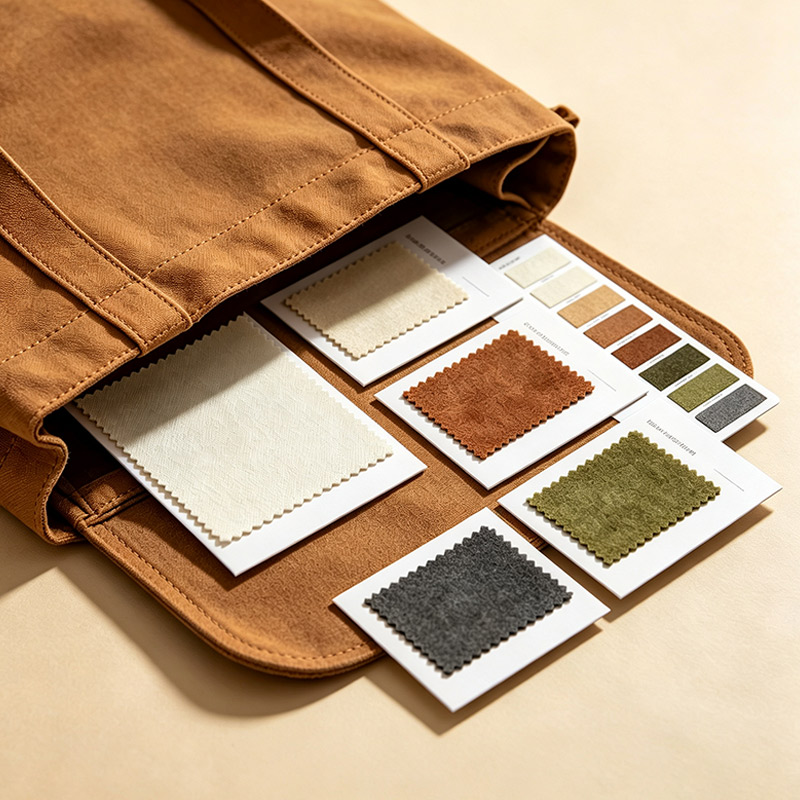
    많은 B2B 구매자들은 가방을 맞춤 제작할 때 겉감에만 집중하고 안감 선택을 간과하는 경우가 많습니다. 안감은 가방 내부의 느낌과 미적인 측면뿐만 아니라 제품의 내구성, 기능성, 그리고 전반적인 품질에 간접적으로 영향을 미칩니다.전문 가방 제조업체로서, 본 글에서는 트윌 나일론, 피치 스킨, 샨퉁, 스웨이드, 린넨 등 업계 표준 소재를 포함하여 가방에 적합한 16가지 안감 소재를 체계적으로 소개합니다. 이 가이드는 B2B 구매자들이 제품 포지셔닝, 예산, 기능적 요구 사항을 고려하여 최적의 선택을 할 수 있도록 도와줄 것입니다. 파트 1: 16가지 종류의 안감 소재1. 트윌 나일론형질사선 직조 패턴이 특징이며, 평직보다 부드러운 촉감과 은은한 광택, 절제된 고급스러움을 선사합니다.장점내마모성, 내찢김성이 뛰어나고 촉감이 부드럽습니다.공통 사양: 210D, 420D 트윌 나일론 2. 210D 나일론 립스톱/그리드형질보강사는 날실과 씨실 방향 모두에 직조되어 격자 또는 빗살무늬 패턴을 형성합니다.장점뛰어난 인열 저항성; 손상되더라도 찢어짐이 쉽게 확산되지 않습니다.공통 사양: 210D, 420D 립스톱 나일론 3. 나일론 태피터형질평직 구조, 매끄러운 표면과 밝은 광택장점주름 방지공통 사양: 190T, 210T, 230T, 290T 4. 폴리에스터 태피터형질: 평직 구조로 나일론 태피터보다 광택이 덜하며, 문지르면 은은한 "바스락" 소리가 납니다.단점: 주름이 잘 생기는 편공통 사양: 170T, 190T, 210T, 230T, 240T, 290T 5. 폴리에스터 트윌 태피터형질: 능직 구조와 은은한 광택을 지닌 일반 태피터에서 변형된 원단입니다.장점: 더욱 부드러운 촉감, 뛰어난 드레이핑, 향상된 품질감공통 사양: 210T, 230T 폴리에스터 트윌 태피터 6. 폴리에스터 폰지형질폴리에스터 DTY 텍스처 원사로 직조되어 평평하고 매끄러운 무광택 표면을 가지고 있습니다.장점부드럽고 매끄러운 촉감, 뛰어난 통기성, 태피터보다 더 부드러움공통 사양: 190T, 210T, 240T, 300T타프타와의 차이점: 폰지는 부드럽고 무광택이며 약간의 탄력이 있고, 태피터는 더 뻣뻣하고 광택이 있다. 7. 복숭아 피부 / 마이크로파이버 복숭아형질초극세 섬유로 직조하고, 표면에 약 0.2mm 길이의 짧은 파일이 생기도록 브러싱 처리했습니다.장점섬세하고 부드러운 촉감, 편안한 스웨이드 같은 질감, 우아한 외관, 따뜻한 감촉 8. 산둥형질전통적으로는 실크 원단을 사용했지만, 가방 제조에는 일반적으로 표면에 약간의 슬럽 질감이 있는 폴리에스터 모조 실크를 사용합니다.장점천연 실크 샨퉁은 고급스러운 품질, 자연스러운 광택, 부드러운 촉감을 제공합니다. 폴리에스터 샨퉁은 무광택 표면에 약간 건조한 느낌이 있습니다.메모진짜 샨퉁 실크는 가격이 비싸서 일반적으로 가방 안감으로 사용되지 않습니다. 9. 새틴 / 5겹 새틴형질: 새틴 직조 구조, 높은 표면 광택, 부드러운 촉감장점: 고급스러운 외관과 부드러운 촉감으로 제품의 품질을 향상시킵니다.메모: 평균적인 내마모성을 가지며, 마찰이 심한 환경에는 적합하지 않습니다. 10. 폴리에스터 메쉬형질: 통기성이 뛰어난 메쉬 구조장점: 가볍고 통기성이 좋으며 내부 물품을 쉽게 확인할 수 있습니다.메모: 일반적으로 주요 구조적 안감으로는 사용되지 않고, 내부 주머니나 칸막이로 더 많이 사용됩니다. 11. 면 안감형질: 천연 섬유 소재로 수분 흡수력과 통기성이 뛰어납니다.장점: 친환경적이고, 피부에 자극이 없으며, 정전기가 발생하지 않습니다.단점: 구김이 잘 가고, 줄어들고, 얼룩이 쉽게 생기며, 가격이 비싸다. 12. 라미라미는 면이나 린넨보다도 강한 천연 섬유로, 실크처럼 윤기가 나고 흡습성과 통기성이 뛰어납니다. 가방 안감으로는 틈새시장이지만, 매우 차별화된 소재입니다.형질: 100% 천연 식물 섬유로, 길고 질긴 섬유이며, 표면은 자연스러운 실크 같은 광택이 납니다.장점: 친환경적이고 생분해성이며, 고강도, 흡습성, 항균 및 곰팡이 방지, 내열성을 갖추고 있습니다.단점: 뻣뻣한 촉감, 구김 발생 용이, 높은 가격, 평균적인 색상 견뢰도, 합성 섬유에 비해 떨어지는 내마모성추천: 촉감과 구김 방지 기능을 향상시키기 위해 면과 혼방되는 경우가 많습니다(예: 라미 55% + 면 45%). 캔버스나 린넨과 같은 천연 소재의 겉감과 잘 어울립니다. 13. 린넨린넨은 오랜 전통을 자랑하는 천연 섬유로, 뛰어난 통기성과 독특한 질감으로 유명합니다. 가방 안감 소재로는 틈새시장에서 많이 사용되지는 않지만, 자연스러운 아름다움과 지속 가능성을 추구하는 제품에 특히 적합한 세련된 선택입니다.형질: 100% 천연 식물 섬유로 제작되어 자연스러운 질감과 은은한 광택이 돋보이며, 소박하면서도 고급스러운 느낌을 선사합니다.장점: 친환경적이고 생분해성이며, 뛰어난 흡습성과 통기성, 항균 및 냄새 방지 기능, 높은 강도, 우수한 열 방출, 시원한 촉감을 제공합니다.단점: 뻣뻣한 촉감, 구김이 잘 생기고 복원력이 떨어짐, 내마모성 평균, 수축률 높음, 가격 높음, 색상 견뢰도 평균추천: 부드러움과 구김 방지 기능을 향상시키기 위해 면과 혼방되는 경우가 많습니다. 사용 전 수축 방지 처리가 필요하며, 염색 및 변색 문제를 최소화하기 위해 생지 또는 베이지색과 같은 천연색을 권장합니다. 14. 대나무 섬유대나무 섬유는 최근 몇 년 동안 친환경 가방 분야에서 인기 있는 소재로 자리 잡았습니다. 살충제나 화학 비료 없이 빠르게 자라는 재생 가능한 대나무에서 추출되는 대나무 섬유는 탄소 발자국이 매우 적습니다. 천연 항균성과 부드러운 촉감 덕분에 환경 지속 가능성과 기능성을 모두 갖춘 이상적인 안감 소재입니다.특징: 100% 천연 재생 가능 섬유, 항균 성분인 "대나무 쿤" 함유, 부드럽고 매끄러운 촉감장점: 친환경적이고 생분해성이며, 천연 항균 및 정균 특성을 지니고 있고, 면보다 뛰어난 흡습성과 통기성을 자랑하며, 부드러운 촉감과 자외선 차단 기능, 탁월한 탈취 효과를 제공합니다.단점: 습윤 강도가 낮음(젖으면 강도가 감소함), 내마모성은 평균 수준, 가격이 높음, 수축 경향이 있음, 어두운 색상의 견뢰도는 평균 수준추천: 면이나 폴리에스터와 혼방하여 습윤 강도와 내마모성을 향상시킬 수 있습니다. 사전 수축 ​​처리가 필요하며, 밝은 색상을 권장합니다. 15. 스웨이드스웨이드는 표면에 섬세하고 벨벳 같은 촉감이 있는 가죽 소재로, 천연 스웨이드(소가죽, 양가죽 또는 돼지가죽의 뒷면)와 합성 스웨이드(마이크로섬유 합성 스웨이드)로 나뉩니다. 가방 안감으로 사용될 때, 고급스러운 촉감과 뛰어난 보호 기능으로 유명하며, 고급 가방에 꾸준히 사용되는 소재입니다.특징: 표면이 가늘고 촘촘한 털로 덮여 있어 부드럽고 따뜻한 촉감을 제공하며, 시각적 및 촉각적 품질이 매우 뛰어납니다.장점: 고급스럽고 부드러운 촉감, 뛰어난 미끄럼 방지 기능(가방 안의 물건이 미끄러지는 것을 방지), 강력한 쿠션 및 보호 기능(보석, 안경, 전자제품 등 섬세한 물건을 보호), 천연 스웨이드 소재로 뛰어난 내구성을 제공하여 제품의 가치를 더욱 높였습니다.단점: 천연 가죽은 가격이 비싸고 먼지와 얼룩이 쉽게 묻으며, 어두운 색상은 물 빠짐이 심하고, 젖으면 딱딱해지고 변형되며, 비교적 무겁습니다. 합성 스웨이드는 통기성이 떨어집니다.추천: 천연 스웨이드는 프리미엄 제품에 적합하며, 중저가 제품에는 비용 절감을 위해 마이크로파이버 합성 스웨이드를 사용할 수 있습니다. 일상용 백팩이나 아웃도어 가방처럼 넓은 면적에 사용하기에는 적합하지 않으며, 밝은 색상의 제품은 어두운 색상의 스웨이드와 직접 접촉하여 염료가 묻어나지 않도록 해야 합니다. 16. 양가죽/어린양가죽특징: 가장 부드러운 가죽 종류 중 하나이며, 미세한 모공과 가벼운 촉감을 가지고 있습니다.장점: 매우 부드러운 촉감, 자연스럽고 우아한 광택, 소가죽보다 가벼움단점: 내마모성이 떨어지고 긁힘에 약하며 가격이 비싸고 세심한 관리가 필요하다.참고: 양가죽 안감은 작은 면적이나 가벼운 용도의 가방에 더 적합합니다.  파트 2: 기능성 안감 소재1. 방수 안감프로세스: PA/PU/PVC 코팅 처리된 태피터, 폰지 또는 옥스퍼드 원단을 기본 소재로 사용장점: 방수, 방습, 곰팡이 방지 2. 정전기 방지 안감프로세스: 직조 또는 마감 과정에서 첨가되는 전도성 섬유장점: 정전기로 인한 먼지 부착을 방지하여 전자 제품을 보호합니다. 3. 난연성 안감공정: 후처리 함침법으로, 주로 인계 또는 인-질소 상승작용 난연제를 사용하며, 패딩-건조-베이킹 공정을 통해 섬유 표면 또는 섬유 내부에 난연제를 고정합니다.특징: 상기 난연 처리를 통해 특정 화재 방지 기준을 충족합니다. 4. 항균 라이닝항균 안감은 섬유 직조 또는 마감 과정에서 항균 성분을 첨가하여 직물에 세균 번식을 억제하고 냄새를 줄이는 기능을 부여하는 특수 안감입니다.형질: 섬유 개질 또는 후처리 공정을 통해 직물은 지속적인 항균성을 갖게 됩니다. 일반적인 항균 성분으로는 나노 은 이온, 아연 이온, 구리 이온, 4급 암모늄염 및 천연 대나무 추출물이 있습니다.장점: 대장균 및 황색포도상구균과 같은 일반적인 병원성 세균의 증식을 효과적으로 억제하고, 가방 내부의 땀이나 음식물 찌꺼기로 인한 냄새를 줄여주며, 가방의 세척 주기를 연장하고, 제품의 위생 및 안전 이미지를 향상시키며, 일부 성분은 곰팡이 방지 기능도 제공합니다.단점: 세척 횟수가 늘어날수록 항균 효과가 점차 감소하며(특히 후처리 제품에서 두드러짐), 은 이온 함유 제품은 가격이 높고, 일부 화학 항균제는 피부 민감성 문제를 야기할 수 있으며, 항균제가 OEKO-TEX 또는 REACH 환경 기준을 준수하는지 확인해야 합니다.  파트 3: 가방 종류에 따른 안감 선택 방법가방 종류추천 안감이론적 해석비즈니스 노트북 백팩트윌 나일론, 폰지, 정전기 방지 안감전자제품 보호를 위한 내마모성, 정전기 방지 기능, 뛰어난 촉감, 전문적인 디자인야외 하이킹 배낭210D 나일론 립스톱, 나일론 옥스포드, 방수 코팅 안감찢어짐 방지, 방수, 내구성, 경량패션 여성 가방복숭아 피부, 산퉁, 새틴, 양가죽프리미엄 감성, 품질 향상, 우아한 시각적 매력화장품/세면도구 가방복숭아 피부 질감, 폴리에스터 태피터, 나일론 태피터, 대나무 섬유, 항균 안감부드럽고 아름다우며 세척이 쉽고 방수 기능도 뛰어납니다.학생용 백팩폰지, 폴리에스터 트윌 태피터비용 효율적이고 내구성이 뛰어나며 색상이 풍부하고 친환경적인 콘셉트로 인기가 높습니다.공구 가방 / 산업용 가방나일론 옥스포드, 방수 코팅 안감, 난연 안감내마모성, 방수성, 손쉬운 유지보수, 높은 안전성친환경 컨셉 가방면 안감, RPET 재활용 폴리에스터, 재활용 나일론, 대나무 섬유, 라미, 린넨친환경적, 피부 친화적, 지속가능성, 브랜드 차별화트롤리 케이스/여행 가방나일론 옥스포드, 폴리에스터 태피터, 폰지내마모성, 경량성, 손쉬운 유지보수, 비용 관리가 용이함스포츠/짐 가방폴리에스터 메쉬, 폰지, 방수 코팅 안감, 대나무 섬유통기성, 빠른 건조, 경량성, 항균 및 탈취 기능어린이 가방 / 임산부 가방면 안감, 대나무 섬유, 복숭아 피부 질감, 항균 안감피부에 자극이 없고 안전하며, 항균 기능이 있고, 부드럽고, 친환경적입니다.보석/액세서리 보관용 가방스웨이드, 피치 스킨, 새틴충격 흡수, 미끄럼 방지, 고급스러운 촉감, 긁힘 방지이브닝 백/클러치새틴, 양가죽, 산퉁, 피치 스킨고급스러운 광택, 최고급 품질, 가볍고 우아한 디자인사진 장비 가방정전기 방지 안감, 나일론 태피터, 방수 코팅 안감정밀 장비 보호, 방습, 정전기 방지다이빙/수상 스포츠 가방재활용 나일론, 방수 코팅 안감, 나일론 태피터빨리 마르고, 친환경적이며, 내구성이 뛰어납니다.군용/전술용 가방210D 나일론 립스톱, 나일론 옥스포드, 난연 안감, 항균 안감뛰어난 내구성, 찢어짐 방지, 안전 규격 준수고급 가죽 가방산퉁, 양가죽, 스웨이드, 면 안감천연 가죽과 동일한 외관, 통일된 질감, 프리미엄 포지셔닝접이식 수납 가방 / 경량 가방나일론 태피터, 폴리에스터 태피터, RPET초경량, 간편한 접이식, 저렴한 가격, 친환경적인 선택신발 주머니 / 통기성 수납공간폴리에스터 메쉬, 폰지통기성, 시인성, 경량, 곰팡이 방지선물 가방 / 판촉용 가방폴리에스터 태피터, 폰지, RPET저렴한 가격, 풍부한 색상, 인쇄 가능한 로고, 친환경적인 판매 포인트여름용 캐주얼 가방 / 비치백리넨, 라미, 코튼 안감, 나일론 태피터통기성이 좋고 시원하며, 자연스러운 질감에 땀 흡수 기능까지 뛰어납니다.   파트 4: 안감 선택 시 주요 고려 사항1. 제품 품질 포지셔닝안감은 사용자가 가방을 열 때마다 직접 만지는 소재입니다. 안감의 촉감은 제품에 대한 첫인상과 인지된 가치를 직접적으로 결정합니다.프리미엄 럭셔리 터치: 피치 스킨, 샨퉁, 새틴, 양가죽, 스웨이드 등을 고려해 보세요.중견기업 대상 서비스: 트윌 나일론, 폴리에스터 트윌 태피터, 폰지 등을 고려해 보세요.대중 시장: 210D 폴리에스터, 폴리에스터 태피터를 고려해 보세요.자연스럽고 소박한 느낌: 면 안감, 린넨, 라미, 대나무 섬유 중에서 선택하세요. 자연스러운 아름다움과 지속 가능한 콘셉트에 적합합니다.팁: 안감의 촉감은 겉감의 질감과 조화를 이루어야 합니다. 예를 들어, 천연 가죽 겉감에는 양가죽이나 산퉁 가죽 안감이, 캔버스 겉감에는 면이나 린넨 안감이, 나일론 겉감에는 나일론 소재 안감이 잘 어울립니다. 2. 제품 기능 요구사항가방의 사용 시나리오와 대상 사용자를 고려할 때, 기능성 안감 선택은 매우 중요합니다.방수 및 방습 안감: 아웃도어 가방, 쿨러백, 공구 가방, 레인웨어 가방에는 방수 코팅 안감(PA/PU/PVC 코팅)이 필요합니다.정전기 방지 안감: 노트북 가방, 카메라 가방, 정밀 기기 가방은 정전기로 인해 먼지가 달라붙거나 전자 부품이 손상되는 것을 방지하기 위해 정전기 방지 안감을 사용해야 합니다.난연성 안감: 산업용 공구 가방, 소방 장비 가방 및 특수 작전용 가방은 특정 ​​난연 기준을 충족해야 합니다. 이러한 제품의 경우 외부 및 내부 소재 모두에 대한 난연성 요구 사항을 고려하는 것이 좋습니다.항균 및 탈취 안감: 스포츠 가방, 헬스 가방, 임산부 가방은 박테리아 번식을 억제하고 냄새를 줄이기 위해 대나무 섬유 또는 항균 처리된 안감을 사용할 수 있습니다.통기성이 좋고 눈에 잘 띄는 안감: 스포츠 가방, 신발 가방의 수납공간 또는 애완동물 운반 가방에는 통기성이 좋고 내부 물품을 쉽게 확인할 수 있는 폴리에스터 메쉬 소재를 사용할 수 있습니다. 3. 비용 예산저가형 제품군: 폴리에스터 태피터(170T~210T), 폰지(190T~210T), 폴리에스터 메쉬 - 대량 생산, 판촉물, 학생용 백팩에 적합합니다.중가 제품군: 나일론 옥스포드(210D~420D), 트윌 태피터, 새틴, 나일론 태피터, 210D 나일론 립스톱 - 중저가 시장, 비즈니스 가방, 아웃도어 가방에 적합합니다.고가 제품군: 트윌 나일론, 피치 스킨, 산퉁 - 중고가 시장, 패션 여성 가방, 고급 여행 가방에 적합합니다.초고가 제품군: 스웨이드, 양가죽, 천연 실크 샨퉁 - 고급 시장 및 최고급 맞춤 제작에 적합합니다. 결론크기는 작지만 안감은 가방의 전체적인 품질과 사용자 경험에 직접적인 영향을 미칩니다. 전문 가방 OEM/ODM 제조업체로서 당사는 방대한 안감 소재 라이브러리를 보유하고 있습니다. 귀사의 제품 포지셔닝, 예산 및 기능적 요구 사항에 따라 가장 적합한 안감 솔루션을 추천해 드릴 수 있습니다. 폰지 소재의 경제성, 피치 스킨 및 산퉁 소재의 프리미엄 품질, 또는 친환경적인 소재 등 귀사의 요구에 맞는 다양한 안감을 제공합니다. RPET 그리고 재활용 나일론저희는 고객님께 원스톱 맞춤 제작 서비스를 제공해 드릴 수 있습니다.믿을 수 있는 가방 맞춤 제작 파트너를 찾고 계신다면, 샘플 및 견적 문의는 저희에게 연락주세요.   작가       

문의하기
주소 : Unit 905, Block B, Jinri Building, No. 88 Anling Second Road, Huli District, Xiamen, Fujian, China
연락하기

계속 읽어보시고, 계속해서 소식을 받아보시고, 구독하세요. 귀하의 생각을 알려주시면 감사하겠습니다.

Linkedin WhatsApp Facebook instagram

저작권 @2024 Synberry Bag & Package Products Co.,Ltd 모든 권리 보유 . 네트워크 지원

사이트맵 / 블로그 / Xml / 개인 정보 보호 정책

메시지를 남겨주세요

메시지를 남겨주세요
우리의 전문 지식이 어떻게 최고 품질의 매력적인 제품을 제공할 수 있는지 논의하게 되어 기쁩니다. 여기에서 대화를 시작하세요. 연결하고 창조해 봅시다!
제출하다

집

제품

왓츠앱

문의하기