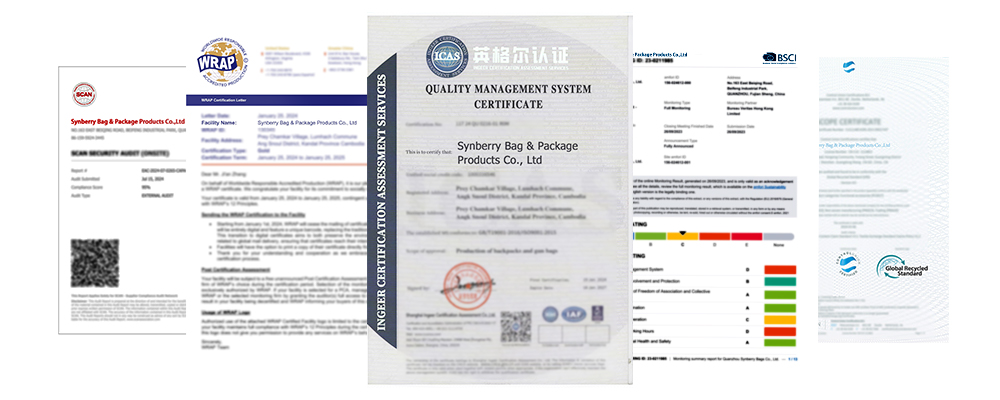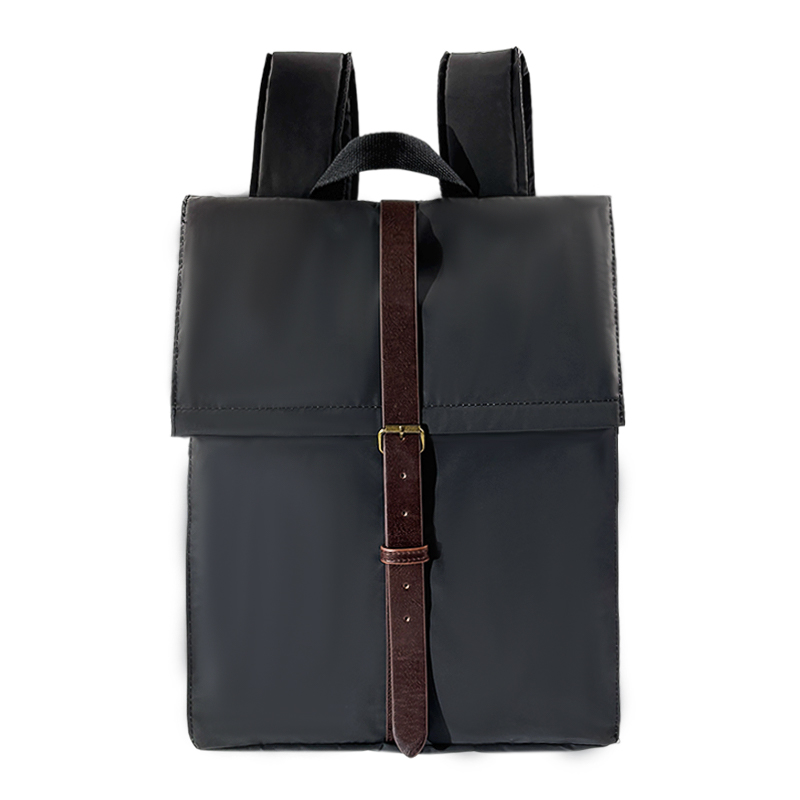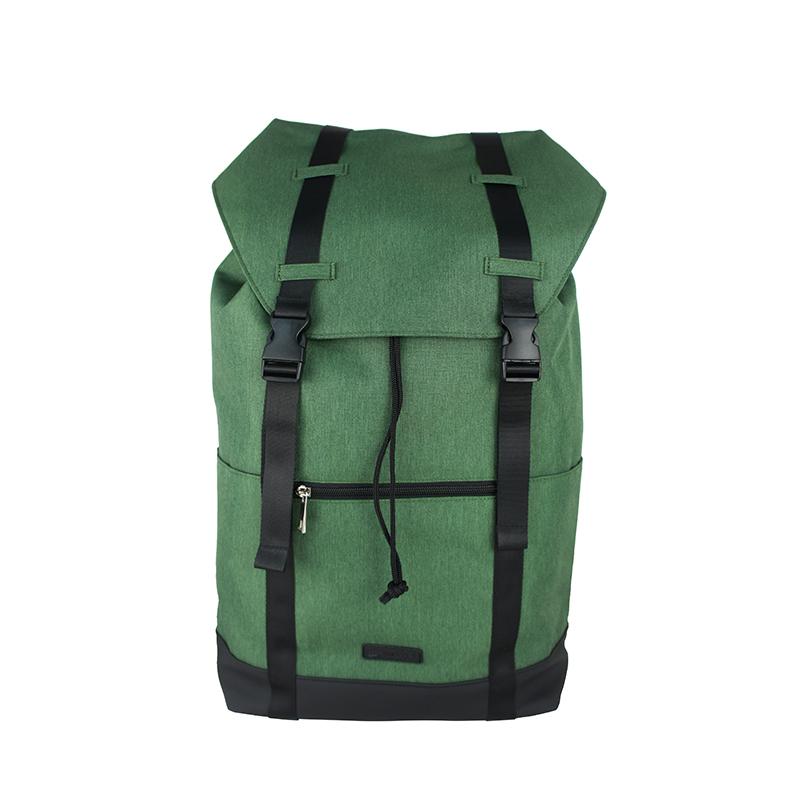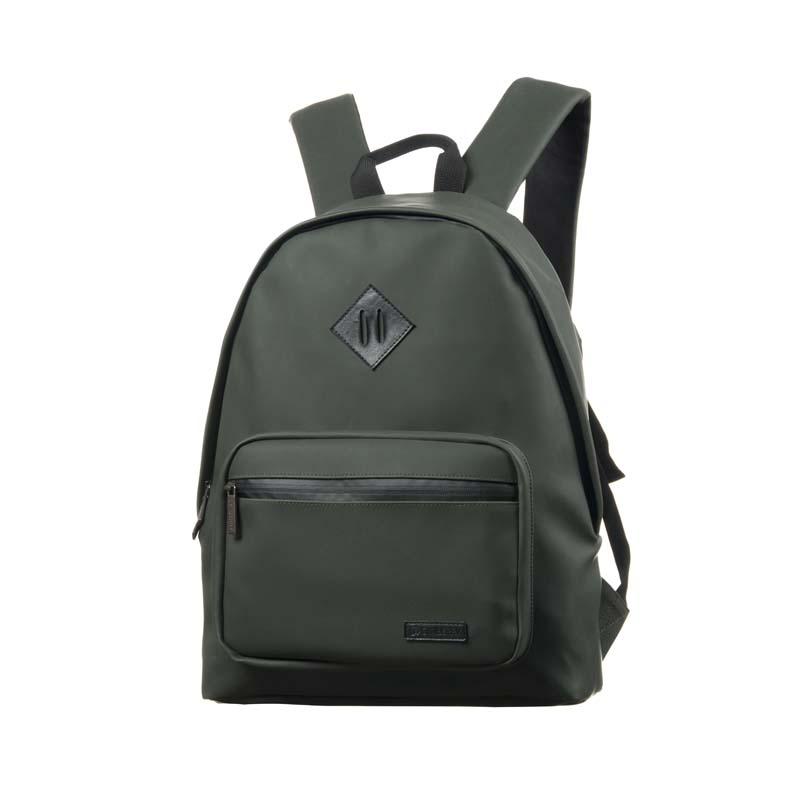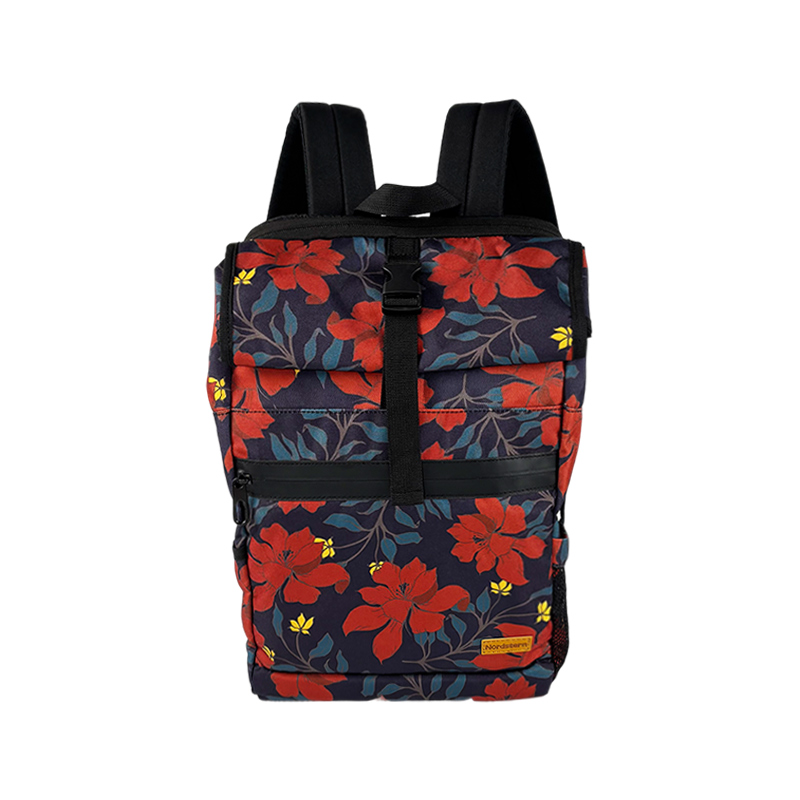


Synberry를 두 세대가 선택한 이유는 무엇입니까? 명확하게 정의된 품질 원칙, 잘 관리된 문서 및 기록, 그리고 가장 중요한 심층 프로세스 분석 및 검사를 통해 우리는 일관된 고품질을 보장할 수 있습니다.


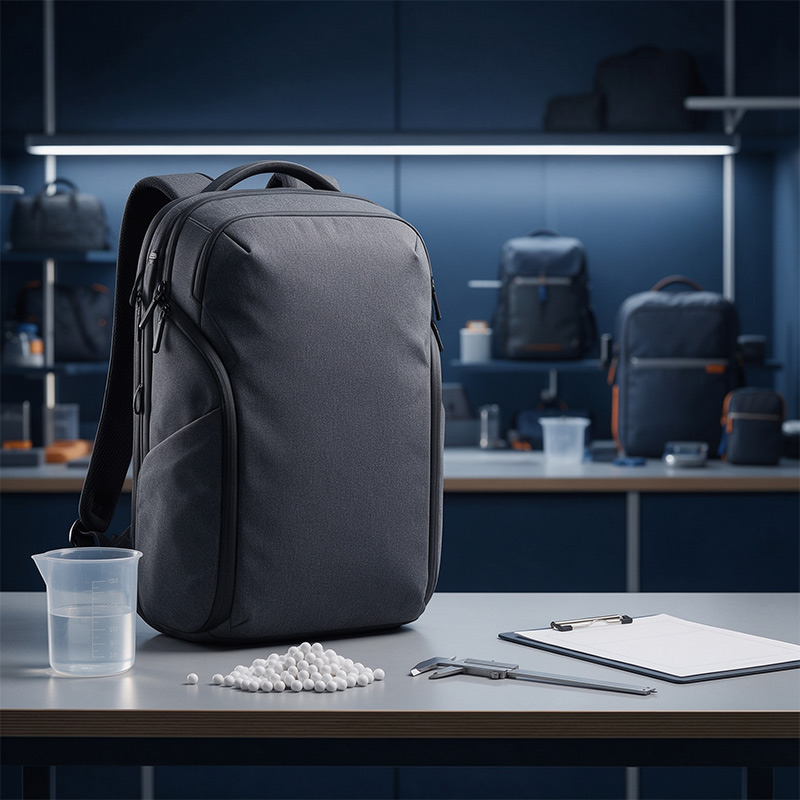
There are two widely used methods for measuring backpack capacity: geometric volume estimation and the ASTM F2153 fill test. During the design stage, the geometric formula (internal length × width × depth ÷ 1,000, multiplied by a pattern correction factor when necessary) can be used to estimate the maximum capacity. For sample approval and production capacity labeling, the unexpanded capacity measured using the ASTM F2153 fill test is generally used as the baseline. Geometric estimation is best suited to structured bags with regular shapes for preliminary space planning. Applying this method directly to sewn backpacks usually overestimates capacity. The fill test uses rigid plastic spheres with a diameter of 20 mm to fill all enclosed compartments; the spheres are then transferred to a calibrated measuring container to determine volume. The result can be used in purchase contracts, technical packs, inspection criteria, and product capacity labeling. For custom bag manufacturing, specifying the measurement method, included compartments, and tolerance alongside the capacity value helps align acceptance criteria between buyers and suppliers. Table of Contents Ⅰ. Why Backpacks with the Same Labeled Capacity Can Have Different Actual Volumes Ⅱ. Geometric Formula Estimation Ⅲ. ASTM F2153 Fill Test Ⅳ. Practical Recommendations for Backpack OEM Projects Ⅴ. Frequently Asked Questions (FAQ) Ⅵ. Conclusion Ⅰ. Why Backpacks with the Same Labeled Capacity Can Have Different Actual Volumes 1. Backpack Capacity Has No Globally Uniform Mandatory Labeling Standard Unlike shoe sizing or fabric weight, backpack capacity is not subject to a globally uniform mandatory labeling rule. Products labeled as 30 L may be measured using four common methods in the industry, producing different usable-volume results. Measurement method What is measured Typical result Notes Multiply external dimensions External length × width × height of the bag Likely to be overstated Counts fabric, foam, and back-panel structures as volume; unsuitable for labeled capacity. Main compartment only Largest enclosed main-compartment space Conservative Perceived usable space may exceed the labeled value, but the scope is limited and comparisons are less meaningful. Add all enclosed pockets Main compartment, zippered pockets, and covered enclosed pockets More comparable Closer to the logic of ASTM F2153; agree in advance whether open pockets are included. Promote expanded capacity Capacity with the roll-top or expansion zipper fully opened Represents maximum expanded state only Volume is lower in the normally closed state; some expanded bags may exceed airline carry-on limits. 2. Main Reasons for Differences in the Same Labeled Capacity For a daypack labeled 30 L, an external-dimension calculation includes space occupied by the back panel and shoulder-strap structure. Under the ASTM F2153 fill test, only enclosed compartments are counted; mesh water-bottle pockets and open front stash pockets are excluded. As a result, the unexpanded measured capacity may be only 24–25 L. Such differences are usually not manufacturing defects. They primarily result from different measurement methods and boundaries for what is included. 3. Capacity Must Be Matched to the Intended Use State Capacity can be reported as unexpanded capacity and expanded capacity. Unexpanded capacity refers to the bag in its normally closed, everyday-use configuration. Expanded capacity is the maximum volume available when a roll-top is fully opened or an expansion zipper is completely unzipped. A specification sheet that lists only one capacity value does not clearly identify the intended use state and makes inspection decisions more difficult. For roll-top bags and bags with expansion zippers, also verify the fully loaded external dimensions to determine whether the bag meets carry-on baggage size limits. Ⅱ. Geometric Formula Estimation 1. Basic Formula and Units A general geometric formula used in backpack OEM development is: Capacity (L) = Internal Length (cm) × Internal Width (cm) × Internal Depth (cm) ÷ 1,000 Example: With internal dimensions of 50 × 30 × 20 cm, the theoretical capacity is 50 × 30 × 20 ÷ 1,000 = 30 L. The formula uses centimeters and returns liters, based on 1 L = 1,000 cm³. For the North American market, capacity may also be listed in cubic inches; 1 L ≈ 61.024 cu in. 2. Appropriate Uses of the Geometric Formula • Reverse-engineering target dimensions during concept design: allocate internal usable dimensions based on the target capacity to support pattern and construction development. • Quickly estimating a capacity range during initial inquiries: when no physical sample is available, use external dimensions to make a preliminary assessment of the product category and support quotation and process evaluation. • Planning internal space before sampling: allocate space among the main compartment, laptop compartment, and front pockets, using the result as a theoretical upper-limit reference. 3. Why the Geometric Formula Can Be Inaccurate for Sewn Backpacks • The bag is not a perfect rectangular prism: daypacks that taper toward the top, roll-top bags, flap-top bags, and packs with curved suspension profiles have irregular shapes that cannot be accurately represented by a rectangular prism. • Fabric, foam, and suspension components reduce usable volume: laptop sleeves, back panels, and shoulder-strap anchor structures occupy space within the bag’s external profile. • Pocket-counting rules vary: external-dimension calculations may include side and front pockets, whereas standard fill testing counts enclosed compartments only and excludes open mesh pockets. • Seam allowances and lining thickness reduce usable space: sewing allowances, lining, and reinforcement materials reduce the effective internal volume. Conclusion: The geometric formula is a design-screening tool for estimating theoretical maximum volume; it should not be used directly as the labeled capacity of a sewn backpack. Results are more accurate for rectangular tote bags and simple travel duffels. For backpacks, technical outdoor packs, and styles with multiple complex compartments, capacity acceptance should be based on a fill test. 4. Early-Stage Estimation Before Sampling: Pattern Correction Factors During early development, before a physical sample is available, a pattern correction factor can help narrow the gap between theoretical and measured capacity. The adjusted formula is: Estimated capacity (L) ≈ [Internal length × internal width × internal depth (cm) ÷ 1,000] × K Select K according to the regularity of the bag’s shape. The ranges below are based on pattern databases and industry experience and are for design estimates only—not for official capacity labeling. The estimate must ultimately be calibrated against an ASTM fill test. Bag construction Reference correction factor Notes Boxy business backpack 0.80–0.85 Regular shape with high space efficiency. Standard daypack 0.75–0.80 Slightly contoured shape and space occupied by compartments. Outdoor hiking pack (internal aluminum-frame back panel) 0.70–0.75 Suspension system takes up more internal volume. Cylindrical duffel 0.72–0.78 Curved side walls reduce usable volume. Roll-top backpack 0.65–0.75 The rolled closure section is excluded from effective capacity. Tapered daypack, narrower at the top 0.70–0.78 The tapered cross-section makes the upper space less efficient. Example: A standard daypack with internal dimensions of 45 × 30 × 18 cm has a theoretical volume of 24.3 L. Using a correction factor of 0.78 gives an estimated capacity of approximately 19 L; subsequent fill testing will generally yield around 18–20 L. Important limitation: Correction factors are not universally transferable across factories or patterns. If the fabric weight or lining construction changes, re-test the bag and recalibrate K. In external technical communications, label this figure as a “design estimate,” not the contractual labeled capacity. Ⅲ. ASTM F2153 Fill Test 1. Standard Overview and Scope A commonly used industry standard for backpack capacity testing is ASTM F2153, “Standard Test Method for Measurement of Backpack Capacity.” It is a voluntary test method intended to establish consistent, comparable capacity-measurement rules among brands, factories, and inspection teams. Key principles: report both unexpanded and expanded capacity; count enclosed compartments only; exclude open mesh water-bottle pockets, open front stash pockets, and open compression pockets. The standard generally does not apply to small bags under 4 L. Crossbody mini bags, waist packs, and small organizers do not need to be labeled in liters; if a capacity value is provided, identify the alternative simplified test method used. 2. Standard Filling and Volume-Reading Procedure Step Procedure Control point 1. Prepare the test media Use uniform rigid plastic spheres with a diameter of 20 mm, commonly PP or PS. Foam beads and beans are for rough internal checks only; they compress or settle and have poor repeatability. Do not use them for official capacity labeling. 2. Fill all enclosed compartments Fill the main compartment and every zippered pocket. For roll-top bags, fill to the agreed number of rolls while ensuring normal closure. Close zippers after filling without pulling them taut. Do not omit any enclosed compartment. Exclude all open pockets. 3. Use a consistent settling procedure Gently shake the bag so the spheres settle naturally. A common procedure is three gentle shakes, approximately 10 seconds each. Do not deliberately press or compress the bag to inflate the reading. 4. Transfer the spheres to a calibrated measuring container Transfer all spheres into a graduated container calibrated by water-volume measurement. Gently agitate until the spheres settle, then record the volume. Large backpacks may be measured in multiple batches and the readings added together. Calibrate measuring equipment with water periodically and retain calibration records. 5. Repeat the test and average the results Conduct at least two independent tests. If the results differ by more than 1–2 L, filling or settling procedures may not have been consistent; repeat the test. Use the same spheres and measuring equipment for first-piece, in-line, and final inspections. 3. Limitations of the Standard and Its Relationship to Specification Sheets ASTM F2153 is voluntary and is not legally mandatory. Many retail product listings also omit the test method. The value of the test is that it allows the fill media, measuring equipment, included compartments, and tolerances to be defined in the specification sheet. If only a capacity number is listed without test details, results from different stages cannot be reliably compared. 4. When Full Laboratory Equipment Is Unavailable: Simplified Measurement Methods Not every inspection site has enough standard plastic spheres and calibrated measuring containers. A simplified method may be used during sampling, but the specification sheet must state that it differs from ASTM F2153. Scenario Simplified method Notes Compartments of 4 L or more Fill with 20 mm plastic spheres or uniform dry beans, then measure using a 1 L measuring cup and add the readings. Beans are for internal reference only; rigid plastic spheres are preferred for official capacity labeling. Compartments under 4 L Because small spheres stack with greater error, weigh the filling material first and convert to volume using a defined ratio if necessary. State in the documentation: “Not the ASTM F2153 standard procedure.” Curved or tapered bags Fill in vertical sections and add the readings from each section. A single rectangular-prism calculation will overestimate the capacity of tapered bags. Backpacks with multiple compartments Fill and measure each enclosed compartment separately, then total the results; list open pockets separately as excluded. Keep separate records to avoid confusion over what is included. Important: Capacity values obtained using different measurement methods should not be compared directly. Ⅳ. Practical Recommendations for Backpack OEM Projects 1. Recommended Capacity Fields for Specification Sheets To reduce the risk of a finished product’s capacity differing from expectations, include the following six items in the capacity section of the specification sheet: Field Recommended wording Purpose Measurement method “ASTM F2153 fill test using 20 mm PP spheres” / “Calculated from external dimensions; design reference only.” Identifies the method used to determine capacity. Unexpanded capacity Capacity in liters in the normally closed state. Matches typical use and product labeling. Expanded capacity Capacity in liters with the expansion zipper fully open or the roll-top fully unrolled. Distinguishes maximum expanded volume. Compartments included “Includes the main compartment and all zippered pockets; excludes mesh water-bottle pockets and open front stash pockets.” Removes ambiguity about which pockets count. Units List L and cu in together and specify the conversion. Supports reading preferences in different Western markets. Tolerance Agree on a tolerance by capacity range; use the same test method when judging compliance. Sets a reasonable acceptance range for inspection. 2. Example Wording for a Specification Sheet Capacity: 28 L unexpanded (approx. 1,709 cu in) / 34 L expanded (approx. 2,075 cu in), measured using the ASTM F2153 fill test with 20 mm PP plastic spheres. Includes the main compartment and all zippered pockets; excludes mesh water-bottle pockets and open front stash pockets. Tolerance: ±1.5 L. File the test record with the initial sample approval documents. 3. Suggested Tolerances and Contract Language Capacity range Suggested tolerance Application notes Under 20 L ±1 L Small bags are sensitive to compartment and opening design; test conditions must be controlled. 20–40 L ±1.5–2 L Common range for daypacks and commuter laptop backpacks. Over 40 L / large travel bags ±2–3 L Fill-test variation may be greater for large bags; additional repeats are recommended. Retail products with strict controls ±3%, or agree that “labeled capacity must not exceed measured unexpanded capacity.” Suitable for tightly controlled cross-border retail programs. Note: Tolerance criteria must correspond to the capacity test method. A tolerance established using external dimensions cannot be used to judge results from a fill test. 4. Common Capacity-Related Discrepancies in Custom Backpack Development Type of discrepancy Explanation Control measure Including open pockets in labeled capacity The counting method differs from ASTM and can produce inconsistent figures. Clearly list included and excluded pockets in the specification sheet. Advertising only expanded capacity Does not reflect volume in the product’s normally closed state. Provide both unexpanded and expanded capacity. Using external dimensions directly for sewn backpacks Foam, back panels, and lining take up space, so the calculated value is high. Use fill testing as the basis for labeled capacity; use external dimensions only as a supplementary reference. Using one capacity value for all sizes of a style Pattern and suspension structures change by size, affecting volume. Test each size independently. Testing only the first sample, with no production recheck Pattern adjustments, lining changes, and pocket revisions can change capacity. Test the approved reference sample and production trial units. Mixing metric and imperial units without labels Can lead to misinterpretation of readings. List both L and cu in in technical documents, with the primary unit suited to the target market. 5. Key Points When Comparing Multiple Samples Two products labeled with the same capacity may not perform equally in actual loading. Compare external dimensions, the main compartment’s internal usable dimensions, opening design, and photos of the bag when loaded. Even when both are labeled 30 L, a boxy pack and a tapered pack may accommodate different shapes of items. For travel backpacks and school backpacks, capacity is only one consideration. Flap-top designs are better suited to flat items, while top-loading roll-top bags offer good compression but can make items deep inside the bag harder to access. For a more complete assessment, include capacity, main-compartment internal dimensions, opening type, and fully loaded external dimensions in the specification sheet. 6. When to Conduct Capacity Tests Lock in the capacity baseline during initial sample approval. Once the first sample is complete, test capacity using the agreed method. After the parameters are approved, record them in the technical pack and purchasing documents before starting mass production. During inspection, use the same sphere specifications, measuring equipment, and settling procedure as for the approved sample, and assess the results against the agreed tolerance. 7. Capacity Records and Compliance Documentation Capacity testing is a technical specification activity and is separate from chemical testing of materials. Nevertheless, related records should be archived together for easy reference. If a product is labeled as using recycled fabric, the material claims should align with applicable GRS, GOTS, or OEKO-TEX documentation. Children’s backpacks sold in the United States must also meet applicable CPSIA requirements. A substantial discrepancy between labeled and measured capacity may create a risk of misleading advertising in the US and European markets. Store capacity test records and compliance certificates in the technical pack so they can be retrieved for customer factory audits and marketplace reviews. Ⅴ. Frequently Asked Questions (FAQ) Q1: Is backpack capacity accurately measured by multiplying length × width × height and dividing by 1,000? This formula estimates only the theoretical upper limit. It counts fabric, foam, and back-panel structures as volume and therefore generally overestimates usable space in sewn backpacks. The discrepancy is smaller for rectangular tote bags and simple travel duffels. For backpacks, outdoor packs, and styles with multiple compartments, capacity acceptance should be based on the ASTM F2153 fill test. A pattern correction factor can support early sampling estimates, but the result is for internal reference only and must not be used as the official labeled capacity. Q2: What is ASTM F2153? Are factories required to use it? ASTM F2153 is a voluntary test method for measuring backpack capacity; it is not legally mandatory. The core procedure is to fill all enclosed compartments with 20 mm rigid plastic spheres, transfer the spheres to a calibrated measuring container, and record both unexpanded and expanded capacity. Open water-bottle pockets and open stash pockets are excluded. The buyer and supplier should agree on whether to use the method in the technical documentation; once agreed, it becomes the basis for acceptance. Q3: Why does a factory label a backpack as 30 L when the fill-test result is only 25 L? This is usually due to differences in measurement methods—for example, using external dimensions or including open pockets in the calculation. A difference of around 20% between a daypack’s labeled capacity and its ASTM fill-test result is not unusual in the industry. Buyers and suppliers can establish a consistent basis for acceptance by agreeing in advance on the test method, pocket-inclusion rules, and tolerance range in the specification sheet. Q4: How should tolerances be set in a specification sheet, and which units should be used? For bags under 20 L, a tolerance of ±1 L is suggested; for 20–40 L, ±1.5–2 L; and for large bags over 40 L, ±2–3 L. For tightly controlled retail programs, the tolerance can be narrowed to ±3%, or the parties can agree that “the labeled capacity must not exceed the measured unexpanded capacity.” Use cubic inches (cu in) alongside liters for North America, while liters are generally preferred in Europe. Conversion: 1 L ≈ 61.024 cu in. Q5: How should capacity be tested for small bags under 4 L, waist packs, and organizers? ASTM F2153 generally does not apply to bags under 4 L. A simplified method can use a calibrated measuring cup, uniform dry beans, or a weight-to-volume conversion. The specification sheet must state that the method is “not the ASTM F2153 standard procedure.” Small spheres can stack inconsistently in small compartments, so external capacity claims for small bags should be made cautiously. Q6: Can rice or beans replace standard plastic spheres? They may be used for rough internal checks, but capacity figures used in contracts, specification sheets, or product labeling should not be based on rice or beans. Grains settle under pressure, and results vary between operators and batches, making repeatability poor. For formal testing, use 20 mm rigid PP/PS spheres and calibrated measuring equipment. Q7: For a roll-top backpack, how many rolls count as the unexpanded state under ASTM F2153? ASTM F2153 does not mandate a specific number of roll-top folds, which can lead to disagreement for this style. The buyer and supplier should agree in writing in the technical pack on the number of folds used for normal closure (commonly 2–3 rolls in the industry). Fill the bag to the agreed number of rolls and confirm that it closes normally without fabric tension; record this as the unexpanded capacity. The reading with the roll-top fully unrolled is the expanded capacity. Ⅵ. Conclusion From using geometric estimates to support early pattern planning, to determining labeled capacity through ASTM F2153 fill testing, and then specifying the test method, included compartments, and tolerances in clear technical terms, a verifiable capacity-assessment system is central to bag capacity management. Consistent criteria help project stakeholders avoid misunderstandings about specifications. As a professional bag manufacturer, we can support capacity-related technical requirements and help align project specifications with the agreed standards. Please contact us if you need assistance. Author
더 보기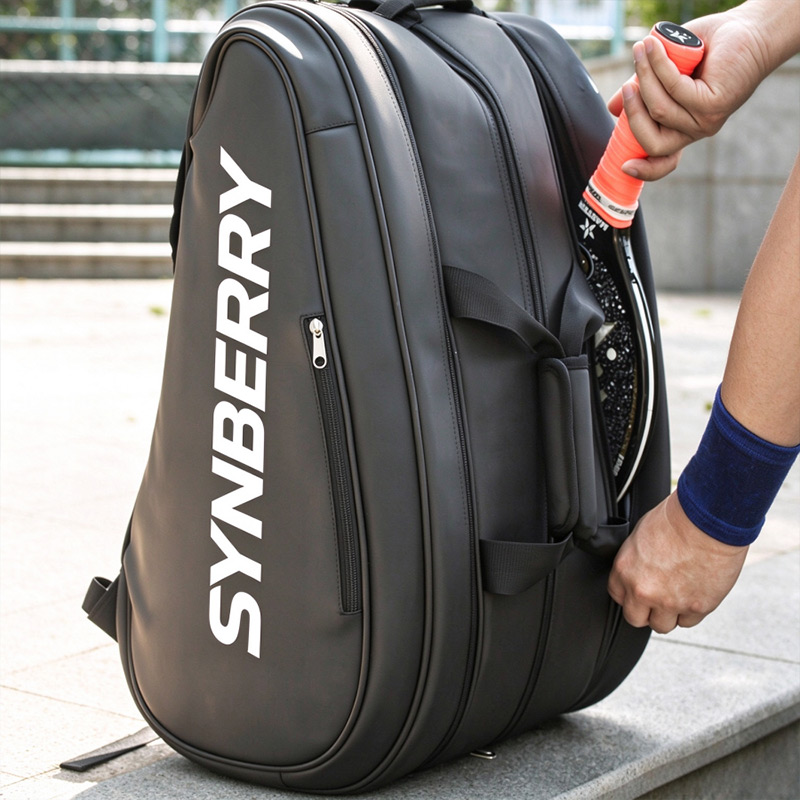
훌륭한 피클볼 가방은 네 가지 핵심 기준을 충족해야 합니다. 과학적으로 설계된 수납공간, 편안한 휴대 시스템, 뛰어난 품질의 제작 기술, 그리고 내구성이 뛰어나고 방수 기능이 있는 소재입니다. 이 네 가지 요소가 모두 갖춰졌을 때 비로소 좋은 피클볼 가방이라고 할 수 있습니다.목차:과학적 구획 설계편안한 휴대 시스템고품질 장인정신내구성이 뛰어나고 방수 기능이 있는 소재브랜드 맞춤형 추천피클볼 가방 맞춤 제작 관련 자주 묻는 질문결론 1. 과학적 구획 설계피클볼 패들은 주로 탄소 섬유나 유리 섬유 복합 소재로 만들어지는데, 이러한 소재는 압력, 긁힘, 고온 및 직사광선에 장시간 노출되면 손상되기 쉽습니다. 따라서 좋은 피클볼 가방에는 패들을 보관할 수 있는 전용 공간이 필수적입니다.구체적으로, 훌륭한 패들 수납 공간은 다음과 같은 특징을 갖추어야 합니다.두꺼운 단열 패들 수납 공간: 전용 패들 수납 공간에는 가방이 떨어지거나 눌렸을 때 충격을 흡수할 수 있도록 두꺼운 EVA 또는 진주솜 쿠션층이 있어야 합니다. 또한, 알루미늄 호일 단열 라이닝 고온의 외부 환경에 효과적으로 견딜 수 있으며, 장시간 직사광선에 노출되어 발생하는 패들 표면의 변형을 방지하는 데 도움이 됩니다.대용량 메인 수납공간: 메인 수납공간은 의류, 수건, 물병 및 기타 물품과 같이 일상적인 훈련이나 경기에 필요한 모든 필수 장비를 수용할 수 있는 충분한 공간을 제공해야 합니다.빠른 접근 볼 포켓: 메인 수납공간 내부에 피클볼 보관을 위한 메쉬 또는 신축성 있는 별도의 수납공간을 추가하세요. 분리된 볼 포켓은 볼을 옷과 물리적으로 분리하여 보관할 수 있도록 해주므로 장비의 청결과 정리 정돈에 도움이 됩니다. 또한, 워밍업이나 경기 사이에 메인 수납공간 전체를 뒤지지 않고도 여분의 볼을 빠르게 꺼낼 수 있어 전반적인 효율성과 사용자 경험을 향상시켜 줍니다.분리형 통풍 신발 수납 공간: 메인 수납 공간과 분리되어 있어 젖거나 더러워진 신발이 패들나 옷을 오염시키는 것을 방지하고 불쾌한 냄새를 줄여줍니다. 이는 전문 피클볼 가방을 일반 운동 가방과 구별 짓는 핵심적인 특징입니다.여러 개의 작은 주머니: 휴대폰, 열쇠, 오버그립, 보호 장비, 수건 등 개인 소지품과 액세서리를 보관할 수 있도록 설계되었습니다.숨겨진 귀중품 포켓: 부드러운 스웨이드 안감으로 마감된 내부는 긁힘에 취약한 귀중품을 안전하게 보관할 수 있도록 설계되었습니다. 2. 편안한 휴대 시스템피클볼 가방은 일반적으로 배낭, 어깨/크로스백, 손으로 들거나 배낭처럼 멜 수 있는 변환형 가방의 세 가지 스타일로 나뉩니다. 배낭: 여러 개의 패들과 장비 세트를 모두 휴대하기에 이상적인 배낭은 어깨끈과 등판 디자인이 핵심입니다. 고품질 배낭의 어깨끈은 넓고 두꺼워야 하며, 고밀도 폼으로 채워져 있고 통기성 메쉬 원단으로 덮여 있어야 합니다. 이렇게 하면 어깨 전체에 압력을 분산시키고 공기 순환을 촉진하여 장시간 착용 시 과도한 열 축적과 압박 자국을 방지할 수 있습니다. 등판에는 EVA 또는 PE 펄 코튼 지지층이 있어 무거운 하중에도 변형되거나 꺼지지 않아야 합니다. 또한 척추의 자연스러운 곡선에 맞춰 안정적이고 신뢰할 수 있는 지지력을 제공해야 합니다.숄더백 또는 크로스백: 이 가방들은 가볍고 편리하며 활용도가 높아 짧은 훈련이나 소량의 장비만 필요한 상황에 적합합니다. 어깨끈은 미끄러짐을 방지하기 위해 충분히 넓어야 하며, 어깨 패드에는 한쪽 어깨에 가해지는 부담을 줄이기 위한 쿠션층이 있어야 합니다. 조절 가능한 어깨끈은 다양한 키의 사용자가 편안한 착용감을 찾을 수 있도록 해줍니다.토트백 겸 백팩: 활용도를 중시하는 사용자에게 토트백 겸 백팩은 더욱 뛰어난 유연성을 제공합니다. 이러한 유형의 가방은 일반적으로 짧은 거리를 이동하거나 차량에 싣기 편리하도록 강화된 상단 손잡이와, 가방을 멜 때 손에 가해지는 압력을 줄이고 불편함을 방지하도록 설계된 패딩 처리된 측면 손잡이를 갖추고 있습니다.배낭 모드로 변환했을 때, 숨겨진 어깨끈은 쉽게 꺼내어 안전하게 고정할 수 있어야 하며, 두 가지 형태 모두에서 원활한 휴대 경험을 보장해야 합니다. 어떤 스타일을 선택하든, 휴대 시스템의 궁극적인 목표는 선수들이 코트로 오가는 동안 편안하고 안심할 수 있도록 하는 것입니다. 3. 뛰어난 품질의 장인정신제작 과정의 세부적인 부분들이 피클볼 가방의 수명과 전체적인 외관 및 느낌을 직접적으로 결정합니다.봉제: 봉제는 튼튼하고 내구성이 있어야 하며, 봉제 간격이 일정하고 이음새가 깔끔하고 균일해야 합니다. 어깨끈 부착 부위, 손잡이 밑부분, 지퍼 끝부분과 같은 주요 하중 지점은 이중 또는 삼중 봉제로 보강해야 합니다. 바택 보강재를 사용하여 인열 저항성을 향상시키고 장시간 무거운 하중을 받을 때 이음새가 찢어지거나 파손되는 것을 방지합니다.하드웨어: 하드웨어 선택은 매우 중요합니다. 지퍼는 부드럽고 내구성이 뛰어나며 일정 수준의 방수 기능을 갖춘 제품을 선택하는 것이 좋으며, YKK나 SBS와 같은 평판이 좋은 브랜드 제품을 사용하는 것이 바람직합니다. 지퍼 손잡이는 스포츠 장갑을 착용한 상태에서도 쉽게 잡고 조작할 수 있도록 설계되어야 합니다.버클: 버클은 반복적인 여닫기 후에도 균열이나 변형이 발생하지 않도록 내구성 테스트를 거쳐야 합니다. 또한, 원단 가장자리는 실밥이 풀린 곳 없이 깔끔하게 마감되어야 하며, 가방은 내용물이 비어 있을 때에도 쉽게 찌그러지지 않고 형태를 유지해야 합니다. 이러한 세부 사항들은 전문가적인 품질과 꼼꼼한 디테일을 반영합니다. 4. 내구성이 뛰어나고 방수 기능이 있는 소재피클볼은 주로 야외에서 진행되기 때문에 가방이 갑작스러운 소나기나 코트 위의 아침 이슬에 노출될 수 있습니다. 따라서 원단의 방수 기능은 안에 든 장비를 보호하는 첫 번째 방어선 역할을 합니다. 4.1 주요 소재: 나일론 vs. 폴리에스터고품질 피클볼 가방은 고밀도 나일론(600D 이상) 또는 폴리에스터 원단으로 제작되어야 합니다. 이러한 소재는 내마모성 및 내찢김성이 뛰어나며 방수 기능도 우수합니다.나일론: 이 두 가지 일반적인 소재를 비교해 보면, 나일론은 무게 대비 강도가 뛰어나고 내마모성이 우수하여 고급 피클볼 가방에 선호되는 소재입니다. 표면이 매끄럽고 촉감이 부드럽지만, 가격이 상대적으로 높습니다.폴리에스터: 폴리에스터는 자외선 차단 및 색상 유지력이 뛰어나 직사광선에 장시간 노출되어도 색이 바래거나 변질될 가능성이 적습니다. 또한 가격이 저렴하여 경제적인 선택입니다. 4.2 방수 코팅고품질 원단만으로는 혹독한 날씨 조건을 견뎌낼 수 없습니다. 가방의 방수 성능을 결정하는 핵심 요소는 표면 방수 처리입니다. 오늘날 시중에 판매되는 대부분의 전문가용 피클볼 가방은 DWR(내구 발수) 코팅, PU 코팅 또는 TPU 코팅이라는 세 가지 주요 처리 방식 중 하나를 사용합니다.DWR 발수 코팅: DWR 코팅은 가방 표면에 연잎과 같은 효과를 내어 물방울이 원단에 스며들지 않고 맺혀 빠르게 흘러내리도록 합니다. 따라서 빗물이 가방 안의 소지품을 적시는 것을 효과적으로 방지합니다.PU 방수 코팅: PU 코팅은 일반적으로 원단의 안쪽에 적용되어 촘촘한 방수막을 형성합니다. 이는 외부 습기의 침투를 막을 뿐만 아니라 원단의 전체적인 구조와 내구성을 향상시킵니다.TPU 방수 코팅: 열가소성 폴리우레탄 엘라스토머인 TPU 코팅은 일반적으로 원단 안쪽에 얇은 필름 형태로 라미네이트되거나 별도의 층으로 적용됩니다. PU 코팅과 비교했을 때, TPU는 우수한 가수분해 저항성과 저온 유연성을 제공합니다. 추운 습한 환경에서도 열화, 경화 또는 균열이 덜 발생하여 가방의 방수 성능을 장기간 유지하는 데 도움을 줍니다. 5. 브랜드 맞춤형 권장 사항자체 브랜드로 피클볼 가방을 개발할 계획이라면, 다음 세 가지 핵심 영역에 대한 권장 사항을 참고하여 제품 성능, 비용 및 목표 고객층 간의 균형을 맞추는 데 도움을 받을 수 있습니다. 5.1 주요 원단 선택 권장 사항원단은 피클볼 가방의 외관, 촉감, 내구성 및 가격대를 결정하는 중요한 요소입니다. 다음 표는 제품 포지셔닝에 따른 원단 선택 권장 사항을 제공합니다.원단 옵션공통 사양강도/내마모성자외선 저항성비용권장 위치폴리에스터600D / 900D★★★☆★★★★☆ (색바램 방지)보통의가성비 중심 모델, 보급형 모델, 장시간 야외 햇빛 노출에 적합한 제품나일론600D / 1680D 방탄 나일론★★★★★ (견고하고 가벼움)★★★ (UV 처리 권장)중상급프로 선수들을 위한 중상급 모델 및 가방나일론 + 립스톱 / 자카드체크무늬 나일론, 벌집형 질감★★★★★★★★높은프리미엄 모델과 디자이너 브랜드복합 메쉬 원단(PVC/EVA)500D–1000D★★★★☆★★★☆보통의해변이나 다용도로 사용하기에 적합한 방수 기능이 강화된 모델 및 가방주요 선정 고려 사항:대량 판매 모델의 경우 600D 폴리에스터를 우선적으로 고려하십시오. 600D 폴리에스터는 가격이 합리적이고 색상 견뢰도가 우수하여 주류 보급형 제품에 널리 사용됩니다.중고가 모델의 경우 1000D 또는 1680D 발리스틱 나일론을 고려해 보세요. 높은 강도와 우수한 방수성 덕분에 중고가 시장에 적합합니다.친환경적인 선택: ECONYL®과 같은 재활용 나일론 또는 재활용 폴리에스터(RPET)를 고려하고, 유럽 및 북미 시장에서 증가하는 지속 가능한 제품 수요를 충족하기 위해 GRS와 같은 국제적으로 인정받는 인증을 지원하십시오. 5.2 용량 선정 권장 사항용량이 크다고 항상 좋은 것은 아닙니다. 이상적인 크기는 대상 사용자의 경기 상황과 휴대 습관에 맞춰야 합니다. 다음 표는 OEM 피클볼 가방 개발을 위한 용량 설계 권장 사항을 제공합니다.용량 범주패들 용량일반적인 구성타겟 고객참고 치수 (길이 × 너비 × 높이)경량 모델1~2 패들메인 수납공간 + 볼 포켓 + 물병 홀더; 일반적으로 신발 수납공간은 없음가볍게 즐기는 사람들과 걷기와 피클볼을 함께 하는 사람들약 45 × 20 × 25cm표준 모델(권장)2~4개 패들패딩 처리된 패들 수납 공간 + 메인 수납 공간 + 별도 신발 수납 공간 + 볼 포켓 + 작은 소지품 수납 공간클럽 핵심 멤버 및 정기적으로 복식 경기를 하는 선수들약 50 × 25 × 32cm전문가용 대용량 모델4~6개 패들패딩 처리된 패들 수납칸 + 넓은 메인 수납칸 + 별도 신발 수납칸 + 볼 포켓 + 방수 파우치프로 선수와 코치약 55 × 30 × 38cm여행/팀 모델6개 이상의 패들바퀴 달린 여행 가방 스타일 가방 또는 외부 부착 시스템이 있는 초대형 백팩팀 단위 구매 및 잦은 여행을 하는 선수약 60 × 35 × 45cm주요 선정 고려 사항:표준형 모델이 가장 적합합니다. 2~4개의 패들을 수납할 수 있는 가방은 다양한 플레이어에게 유용합니다. 새로운 피클볼 가방 제품 라인을 개발하는 브랜드는 이러한 수납 용량을 주력 상품으로 삼는 것을 고려해야 합니다.경량 모델은 고객 확보나 판촉용 사은품으로 이상적입니다. 간단한 구조와 저렴한 가격 덕분에 입문자용 세트의 보조 가방이나 클럽 행사 기념품으로 적합하여 신규 플레이어의 진입 장벽을 낮춰줍니다.전문가용 대용량 모델은 단순히 공간을 늘리는 것보다 수납 효율성을 우선시해야 합니다. 코치와 프로 선수들이 휴대하는 방대한 장비를 정리하는 문제를 해결하기 위해 탈착식 칸막이나 모듈식 내부 수납공간을 고려해 보세요. 이러한 기능은 사용자가 다양한 조합의 라켓과 의류를 수납하면서도 내부를 깔끔하게 정리할 수 있도록 해줍니다.여행용/팀용 모델은 여행에 편리한 기능을 우선적으로 고려해야 합니다. 넉넉한 수납 공간 외에도 표준형 캐리어 스트랩과 마모 방지 보호 받침이 포함되어야 합니다. 이러한 기능은 공항 이동이나 장거리 여행 중 피클볼 가방을 캐리어에 안전하게 고정하는 데 도움이 되며, 가방 바닥의 마모를 줄여줍니다. 6. FAQ: 피클볼 가방 맞춤 제작 관련 자주 묻는 질문 Q1: 피클볼 가방과 테니스 가방의 차이점은 무엇인가요? 두 가방을 서로 바꿔 사용할 수 있나요?일시적으로는 서로 바꿔 사용할 수 있지만 권장하지 않습니다. 피클볼 패들(길이 약 40cm)은 테니스 라켓보다 짧기 때문에 테니스 라켓 수납 공간에 패들을 넣으면 패들이 움직이거나 다른 물건과 부딪힐 수 있습니다. 피클볼 가방에는 일반적으로 피클볼 전용 포켓이 있습니다. 딱딱한 플라스틱 재질의 피클볼은 과도한 압력에 손상될 수 있기 때문입니다. 또한 신발 수납 공간과 기타 작은 소지품을 보관할 수 있는 공간도 마련되어 있습니다. 피클볼만 치는 경우라면 피클볼 전용 가방을 사용하는 것이 훨씬 편리합니다. Q2: 가방의 방수 등급은 어떻게 알 수 있나요? 발수 기능이 있다고 해서 방수 기능이 있는 건가요?아니요. DWR 코팅으로 제공되는 발수 기능은 일반적으로 가벼운 비나 물 튀김에는 충분하지만, 지퍼 부분은 여전히 물이 스며들 수 있습니다. 더욱 완벽한 방수 기능을 위해서는 PU/TPU 코팅 원단 또는 라미네이트 방수 원단과 YKK 방수 지퍼 시리즈와 같은 방수 지퍼가 결합된 가방이 필요합니다. 구매 시 제품 사양에 원단 코팅과 방수 지퍼가 모두 명시되어 있는지 확인하세요. 질문 3: 피클볼 패들 보관함에 단열재가 필요한 이유는 무엇인가요? 여름철 고온이 패들을 손상시킬 수 있나요?네. 탄소 섬유나 유리 섬유 표면과 폴리프로필렌 허니콤 코어로 제작된 피클볼 패들은 고온과 직사광선에 장시간 노출될 경우 표면이 물러지거나 박리되거나 타구감이 변할 수 있습니다. 알루미늄 호일 단열재 안감은 가방 내부 온도를 크게 낮춰주므로, 전문가용 피클볼 가방과 저가형 모델을 구분하는 핵심적인 특징 중 하나입니다. Q4: 맞춤형 피클볼 가방의 일반적인 최소 주문 수량(MOQ)과 제작 기간은 어떻게 되나요?SYNBERRY의 최소 주문 수량(MOQ)은 약 500개입니다. 샘플 제작 기간은 디자인의 복잡성에 따라 다르며 일반적으로 2~3주 정도 소요됩니다. 대량 생산 기간은 주문 수량과 제조 공정의 복잡성에 따라 달라집니다. 전체 표면 인쇄, 반사 스트립, 맞춤형 버클 등의 특수 공정에는 추가 시간이 소요될 수 있습니다. Q5: 피클볼 가방 소재로 나일론과 폴리에스터 중 어떤 것을 선택해야 할까요? 어떤 소재가 더 내구성이 좋을까요?두 소재 모두 내구성이 뛰어나지만 각각 장점이 다릅니다. 나일론은 강도가 높고 촉감이 좋아 중고가 제품에 적합합니다. 폴리에스터는 자외선 차단 효과가 뛰어나고 색상 유지력이 우수하며 가격이 저렴하여 장시간 야외 햇볕에 노출되는 경제적인 제품에 이상적입니다. 예산이 충분하다면 나일론을, 가성비를 중시한다면 폴리에스터를 선택하세요. 7. 결론피클볼은 전 세계적으로 참여율이 폭발적으로 증가하고 있으며, 피클볼 가방은 단순한 액세서리 장비를 넘어 전문적인 제품군으로 진화하고 있습니다. 스포츠 가방 브랜드에게 있어 이는 신흥 시장 진출의 기회일 뿐만 아니라, 더욱 정교한 제품 개발을 통해 전문적인 브랜드 인지도를 구축할 수 있는 중요한 기회이기도 합니다.훌륭한 피클볼 가방은 단순히 수납공간의 집합체 그 이상이어야 합니다. 사용자의 니즈를 깊이 이해하고 기대에 부응하는 세심한 배려가 담겨 있어야 합니다. 고가의 패들을 보호하는 단열 기술부터 효율적인 수납공간 배치, 야외 환경에 적합한 내후성 소재까지, 모든 디테일 하나하나가 플레이어의 스포츠 경험을 존중하는 마음을 보여줍니다.이 글은 피클볼 가방 제조업체의 관점에서 작성되었으며, 피클볼 가방 제품 라인을 개발하는 브랜드에 고객 요구 파악부터 제품 생산에 이르기까지 포괄적인 참고 자료를 제공하는 것을 목표로 합니다. 작가
더 보기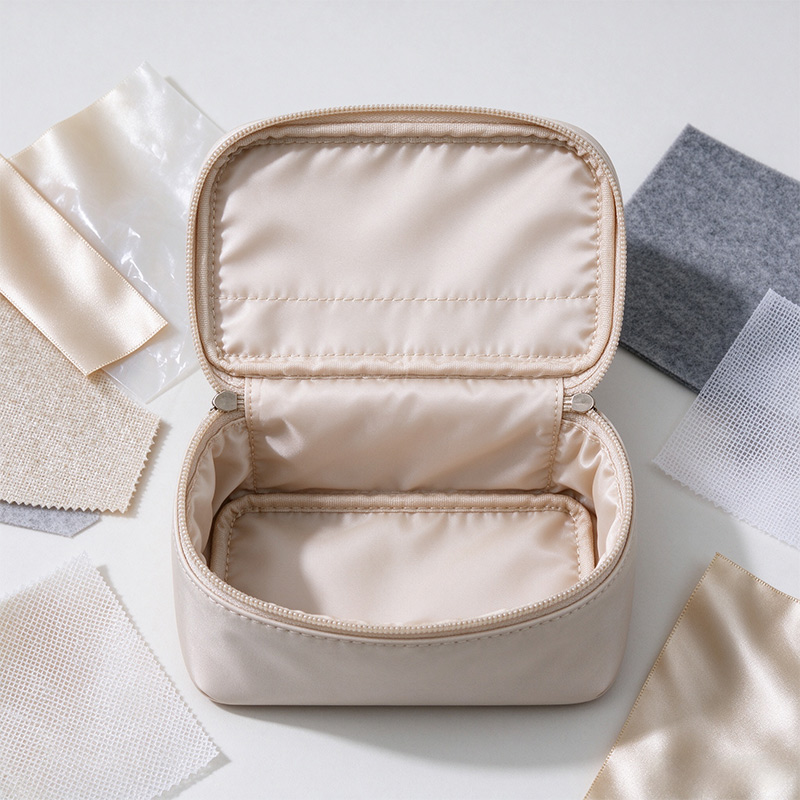
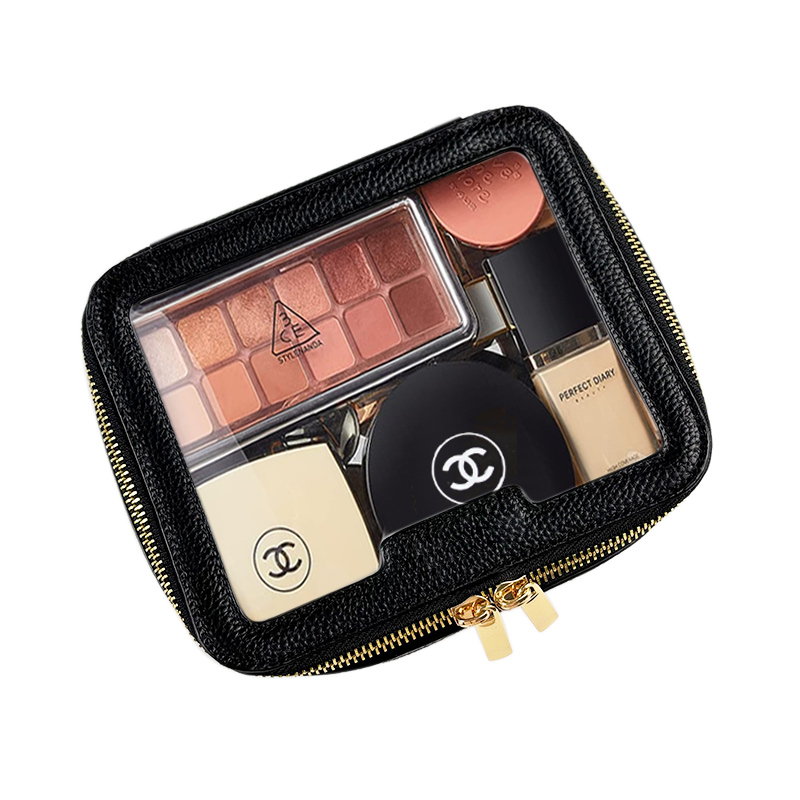
화장품 파우치 안감에 가장 흔히 사용되는 소재는 폴리에스터 기반 원단, 특히 폴리에스터 평직, 폴리에스터 태피터, 폰지, 코팅 폴리에스터입니다. 이 외에도 나일론, TPU, PEVA, PVC, EVA는 높은 방수 및 누수 방지 기능이 요구되는 제품에 자주 사용됩니다. RPET(재활용 폴리에스터)와 재활용 나일론은 지속 가능한 브랜드 라인에 적합하며, 마이크로파이버, 인조 스웨이드, 벨벳, 새틴은 고급스러운 촉감과 선물용으로 적합합니다. 면, 캔버스, 면-폴리에스터 혼방, 면-린넨 혼방 소재는 화장품 파우치 안감으로 사용할 수 있으며, 특히 캔버스 화장품 파우치, 자연스러운 스타일, 친환경적인 이미지 또는 자수 질감이 필요한 제품에 적합합니다. 그러나 이러한 소재의 방수, 방오, 세척 용이성은 코팅 처리된 합성 섬유와 차이가 있으므로 특정 사용 시나리오에 따라 평가해야 합니다. 목차:• 기능 요구사항에 따른 선정• 라이닝 선택을 위한 주요 기술 매개변수• 안감 맞춤 제작 과정 및 로고 표현 방법• 브랜드의 전 공정 자재 품질 관리를 어떻게 보장할까요?• 자주 묻는 질문• 결론 Ⅰ. 기능적 요구사항에 따른 선정 및 일반 원단 분석화장품 파우치 안감 선택은 일반적으로 얼룩 방지 및 방수 기능, 화장품 보호, 간편한 세척, 형태 유지 및 지지력을 중심으로 이루어집니다. 다음 섹션에서는 기능적 요구 사항에 따라 분류하고 일반적으로 사용되는 원단의 특징, 적용 사례 및 주의 사항을 설명합니다. 1. 방수 및 세척 용이 카테고리• PVC/TPU 필름: 기능성 화장품 파우치 및 습식/건식 분리 칸막이에 일반적으로 사용되며, 뛰어난 방수 및 누수 방지 성능을 제공합니다. 액체가 튀었을 경우에도 쉽게 닦아낼 수 있습니다. PVC는 탁월한 방수 성능과 투명성을 제공하지만, 유럽 및 미국 시장에서는 REACH 및 Prop 65 규정 준수 관련 위험을 신중하게 평가해야 합니다. TPU는 친환경성, 자외선 저항성 및 유연성 측면에서 전반적으로 우수하여 고급 방수 제품에 선호되는 소재입니다.• PEVA: 염소 무첨가 소재로, PVC를 대체하는 친환경적인 소재입니다. 우수한 방수 성능과 간편한 세척 특성을 제공하여 지속가능성을 중시하는 브랜드에 적합합니다. 장기간 자외선에 노출될 경우 약간의 황변 현상이 발생할 수 있으므로, 샘플링 단계에서 이를 평가해야 합니다.• EVA: 견고한 내부 트레이 또는 성형 안감에 일반적으로 사용되며, 우수한 방수 성능과 구조적 지지력을 갖추고 있어 형태 유지가 필요한 화장품 파우치 내부 소재에 적합합니다.• 코팅 폴리에스터 및 코팅 옥스퍼드 원단(예: PU 코팅, TPU 코팅): 폴리에스터 또는 옥스퍼드 원단에 코팅 처리를 하면 안감 표면에 연속적인 막이 형성되어 액체 파운데이션이나 스킨케어 워터 등의 액체가 스며드는 것을 효과적으로 차단합니다. 내마모성 및 내구성이 뛰어나며 가성비가 좋아 저렴한 대용량 화장품 파우치 및 일상용 기능성 제품에 적합합니다. 단, 코팅 및 봉제선이 완벽하게 방수되는 것은 아닙니다.• 폴리에스터 평직, 폰지, 폴리에스터 태피터: 안정적인 공급, 높은 재단 및 봉제 효율, 그리고 뛰어난 색상 견뢰도를 자랑하며, 대량 주문 시 여러 배치에서 안감 색상의 일관성을 보장합니다. 이 중 폴리에스터 태피터는 가볍고 고밀도이며, 매끄럽고 올풀림에 강하며, 폰지와 평직은 대중 시장용 제품에 적합합니다. 기본적인 방수 기능이 필요한 경우에는 코팅 처리된 제품을 선택할 수 있습니다.• 나일론 태피터: 부드러운 촉감과 동일 규격의 폴리에스터보다 우수한 인장 강도를 자랑하며, 중고가 화장품 파우치에 적합합니다. 나일론 자체는 방수 기능이 있어 방수 및 세척이 용이한 안감 소재로 널리 사용됩니다. 제품의 경량성, 내구성, 휴대성을 중시한다면 나일론 소재를 고려해 볼 만합니다.[추가 참고 사항] 코팅 처리된 원단은 액체가 튀는 정도만 막아줍니다. 일반 봉제 과정에서 바늘 구멍이 생기기 때문에 액체가 봉제선 사이로 스며들 수 있습니다. 완벽한 방수가 필요한 경우, 봉제선 부분을 열접착하는 추가 공정이 필요합니다. 2. 형태 유지 및 쿠션성 범주• 펠트: 높은 강성과 뛰어난 지지력으로 화장품 파우치의 입체감을 유지시켜주며, 쿠션 및 충격 흡수 효과를 제공하여 파우더 팩트나 아이섀도 팔레트와 같은 제품을 보호해야 하는 맞춤형 내부 파우치에 적합합니다. 무게, 세척 방법, 두께 등을 고려해야 합니다.• 플리스 소재(예: 마이크로파이버 플리스, 인조 스웨이드, 벨벳): 섬세한 촉감과 약간의 쿠션감으로 화장품 용기의 미끄러짐과 긁힘을 방지하여 중고가 화장품 파우치에 적합합니다. 마이크로파이버, 인조 스웨이드, 벨벳은 고급스러운 촉감과 미끄럼 방지 기능을 제공하여 주로 고급 브랜드 제품에 사용됩니다.3. 고급 질감 카테고리• 아세테이트 새틴: 부드럽고 매끄러운 촉감, 따뜻한 광택, 뛰어난 드레이프성과 주름 방지 기능, 화장품을 넣고 빼기 편리하고 메이크업 브러시 모가 걸리지 않아 가볍고 고급스러운 연출에 적합합니다.• 일반 새틴/사틴: 표면이 매끄럽고 피부에 자극이 없으며 은은한 광택이 있어 고급스러움을 더하고, 시각적 디자인을 중시하는 선물이나 제품에 적합합니다. 올풀림, 마모 저항성, 색상 견뢰도를 평가해야 합니다. 폴리에스터 새틴과 나일론 새틴은 인쇄 효과가 뛰어나 고급 안감에 적합합니다.4. 친환경 재활용 및 지속가능 카테고리• RPET: 재활용 PET 병을 분쇄, 세척 및 방적하여 만든 소재입니다. 촉감, 색상 견뢰도, 내마모성은 일반 폴리에스터와 큰 차이가 없으며, 기존 폴리에스터 평직이나 태피터를 완벽하게 대체하여 대부분의 화장품 파우치 안감에 적합합니다. ESG(환경, 사회, 거버넌스) 개념을 실천하는 브랜드에서 흔히 사용하는 소재입니다.• 재활용 나일론: 주로 버려진 어망, 카펫 섬유 및 기타 산업 폐기물에서 추출되며, 탈중합 및 중합 과정을 통해 재생됩니다. 재활용 폴리에틸렌(RPET)과 비교했을 때, 재활용 나일론은 강도, 탄성 및 내화학성이 우수하고 촉감이 더욱 부드럽고 섬세하지만, 시장 공급이 RPET보다 불안정하고 가격이 일반적으로 더 높습니다.5. 내추럴 스타일 및 블렌딩 카테고리• 면: 자연스러운 촉감, 피부 친화적이며 흡습성이 뛰어나 자연스러운 스타일과 친환경적인 이미지에 적합하며, 캔버스 화장품 파우치 안감으로 사용됩니다.• 캔버스: 무게가 무거워 구조적 지지력이 우수하고 내마모성이 뛰어나 화장품 파우치, 세면도구 파우치, 여행용 수납 가방의 안감이나 외부 주머니에 적합합니다. 안감으로 사용할 경우 무게, 두께, 봉제 공정을 종합적으로 고려해야 합니다. 순면 캔버스는 통기성이 좋고 가벼워 파우더 제품, 메이크업 브러시 등 통풍이 필요한 물품에 적합합니다.일반 면이나 캔버스 소재는 방수 기능이 없고, 물감이나 얼룩을 쉽게 흡수합니다. 액체 화장품에 직접 닿으면 세척이 어렵습니다. 일반적으로는 탈부착 가능한 세탁 가능한 속주머니, 코팅 마감, 별도의 방수 주머니 또는 내부 칸막이 구조를 함께 사용하는 방법을 사용합니다. • 면-폴리에스터 혼방: 면의 자연스러운 촉감과 폴리에스터의 내구성 및 형태 안정성을 조화롭게 결합하여 질감과 대량 생산의 일관성이 중요한 프로젝트에 적합합니다.• 면-린넨 혼방: 자연스러운 질감이 두드러지며 특정 스타일 브랜드에 적합하지만, 샘플 채취 단계에서 얼룩 방지 및 색상 견뢰도를 확인해야 합니다.6. 기타 실용적인 범주• PU 안감: 표면이 매끄럽고 닦기 쉬워 일상적인 출퇴근 및 중저가 제품에 적합합니다. 표면이 촘촘하여 리퀴드 파운데이션이나 립스틱과 같은 유성 얼룩이 스며드는 것을 효과적으로 차단합니다. 물티슈로 쉽게 닦아낼 수 있어 유지 관리 비용이 저렴합니다. 장기간 사용, 특히 고온다습한 환경에서의 노화 테스트 시 코팅 벗겨짐이나 끈적임을 방지하기 위해 가수분해 저항성이 우수한 PU 소재를 선택해야 합니다.• 메쉬/3중 메쉬: 통기성이 뛰어나고 가벼워 화장품 파우치의 내부 수납칸이나 브러시 보관층에 주로 사용되어 내용물을 쉽게 찾을 수 있고 내부 습기 배출을 촉진하여 곰팡이 발생 위험을 줄여줍니다. 하지만 표면이 고르지 않고 구멍이 커서 먼지가 쉽게 끼고 깨끗하게 세척하기 어렵습니다. 액체 화장품이 직접 닿는 안감으로는 권장하지 않으며, 방수 이너 파우치와 함께 사용하는 것이 좋습니다.Ⅱ. 안감 선택을 위한 주요 기술 매개변수화장품 파우치 안감 소재를 선택할 때, 다음 사항들은 최종 제품의 품질과 사용자 경험에 직접적인 영향을 미칩니다. 샘플링 단계에서 각 항목을 확인하는 것이 좋습니다. 1. 중량 및 두께• 낮은 중량(예: 30-50gsm 폴리에스터 태피터 또는 폰지): 가볍고 부드러우며, 내부 공간 활용도를 극대화하고 전체 무게를 줄여 휴대성과 경량성을 중시하는 여행용 화장품 파우치에 적합합니다.• 중간 무게(예: 60-100gsm 평직 폴리에스터, 나일론 또는 면): 촉감과 내구성의 균형이 잘 잡혀 있어 대부분의 일반적인 화장품 파우치에 사용되는 주된 소재입니다. 이 범위의 원단은 적당한 뻣뻣함을 가지고 있어 가방의 기본적인 형태를 유지하면서도 봉제 안정성과 마모 저항성이 뛰어나 일상적인 출퇴근 및 다양한 용도의 수납에 적합합니다.• 고중량 원단(예: 120gsm 이상의 두꺼운 캔버스, 두꺼운 코팅 원단 또는 합성 펠트): 뛰어난 강성과 구조적 지지력을 제공하여 화장품 파우치의 입체적인 형태를 효과적으로 유지하고 내부 물품의 압축으로 인한 변형을 방지합니다. 하드케이스 화장품 파우치 또는 자체적으로 세워져야 하는 내부 디자인에 주로 사용됩니다. 2. 코팅 종류 및 방수 성능코팅 종류방수 성능내마모성친환경성일반적인 적용 사례PU 코팅좋은좋은중간매일 사용하는 화장품 파우치TPU 복합재훌륭한훌륭한훌륭한고급 방수 스타일페바좋은중간좋은친환경적인 포지셔닝 스타일PVC훌륭한좋은규정 준수를 위해서는 신중한 평가가 필요합니다.투명 스타일에바좋은좋은 중간성형된 내부 트레이, 견고한 라이닝 3. 색상 견뢰도, 내마모성 및 색상 선택• 안감은 건식 마찰 및 습식 마찰 색상 견뢰도 테스트를 통과해야 하며, 주문 대상 시장 및 브랜드 요구 사항을 충족해야 합니다(ASTM/ISO 산업 테스트 표준 참조).• 색상 선택은 브랜드 비전, 목표 시장의 사용 습관, 청소 및 유지 관리 기대치, 그리고 전반적인 디자인을 종합적으로 고려해야 합니다.• 어두운 색상이나 중간 색상 시스템은 일반적으로 일상 사용에서 얼룩이 덜 눈에 띄고, 밝은 색상 시스템은 산뜻해 보이며 일부 브랜드 이미지와 잘 어울리지만 화장품 잔여물이 더 쉽게 남을 수 있으므로 코팅, 세척 용이 마감 처리 또는 탈착식 세척 가능 내부 백을 함께 사용할 수 있습니다. 4. 파괴 강도 및 인열 강도• 안감 원단의 파단 강도 및 인열 강도는 ASTM D5034와 같은 업계 일반 시험 표준을 준수해야 합니다.• 구체적인 지표는 제품 포지셔닝, 사용 시나리오 및 브랜드 품질 요구 사항과 일치해야 합니다. 5. 촉감, 소음, 접힘 탄력성 및 재봉 호환성• 나일론 및 코팅 직물은 마찰 소음을 발생시킬 수 있으므로 샘플링 단계에서 이를 평가해야 합니다.• 마이크로파이버, 인조 스웨이드, 캔버스 등의 소재는 두께가 봉제 효율과 완제품 무게에 미치는 영향에 주의해야 합니다.• 코팅 및 필름 소재는 접었을 때 하얗게 변하는지, 탄성이 안정적인지, 봉제선에 누출이 있는지 등을 주의 깊게 살펴봐야 합니다. 6. 청소 방법 및 소비자 사용 시나리오• 제품이 일상적인 사무실, 여행, 운동 및 기타 상황을 대상으로 하는 경우, 안감은 쉽게 닦이고 새지 않는 성능을 우선시해야 합니다.• 제품이 자연스러운 스타일이나 탈부착 가능한 세탁 디자인을 강조하는 경우, 면, 캔버스, 면-폴리에스터 혼방 소재를 고려할 수 있으며, 탈부착 가능한 내부 가방이나 방수 보관 가방을 함께 사용할 수 있습니다.• 제품이 선물용이나 고급 브랜드로 포지셔닝된 경우, 새틴, 마이크로파이버, 인조 스웨이드 소재를 고려할 수 있으며, 관리 방법은 설명서에 명확하게 명시되어야 합니다. Ⅲ. 안감 맞춤 제작 과정 및 로고 표현 방법1. 안감 맞춤 제작 치수• 색상 맞춤 제작: 팬톤 컬러 번호에 따라 염색합니다. 첫 주문 시에는 색상 확인 기간을 예약하셔야 합니다.• 질감 맞춤 설정: 평직, 능직, 자카드, 새틴, 진주광택 및 기타 표면 효과.• 인쇄 맞춤 제작: 브랜드 패턴 전체 인쇄, 로고 반복 인쇄, 시즌별 그래픽 등• 구조 맞춤 설정: 브러시 포켓, 투명 내부 포켓, 지퍼형 히든 포켓, 탄성 밴드 고정 위치 등• 소재 복합: 코팅, 라미네이션, 접착, 엠보싱 등 다양한 공정을 방수 및 촉감 요구 사항에 따라 조합할 수 있습니다. 2. 로고 프로세스 선택프로세스적용 가능한 안감 종류내구성공정 특성실크스크린 인쇄폴리에스터, 나일론, 캔버스 및 기타 직물중간직접적인 색채 표현열전사 인쇄폴리에스터, 나일론, 캔버스 및 기타 직물좋은훌륭한 패턴 디테일 표현자수폴리에스터, 나일론, 캔버스 및 기타 직물훌륭한강렬한 3차원 효과직조 라벨모든 유형훌륭한저렴한 가격금속 라벨모든 유형훌륭한고급스러운 느낌핫 스탬핑/포일 스탬핑새틴, 인조 스웨이드, PU 가죽중간고급스러운 느낌 3. 브랜드 안감의 부가가치• 맞춤형 인쇄 안감이나 브랜드 직조 라벨은 제품 개봉 경험과 브랜드 인지도를 향상시킬 수 있습니다.• DTC 브랜드와 선물 채널의 경우, 브랜드 로고가 새겨진 안감은 브랜드 가치를 높이는 중요한 수단입니다.• 안감 맞춤 제작은 외부 가방 디자인의 유연성에 영향을 미치지 않으며, 외부 가방 원단, 지퍼 및 포장과 함께 전체적인 브랜드 솔루션을 구성할 수 있습니다. Ⅳ. 브랜드의 전 공정 자재 품질 관리를 어떻게 보장할 수 있을까요?1. 화장품 가방 OEM 생산 전 소통 사항:• 요구사항 확인: 고객의 제품 포지셔닝 및 목표 시장을 파악합니다.• 원단 선택: 안감 소재, 중량, 코팅 및 색상을 확인하십시오. 2. 샘플링 단계• 샘플링: 샘플을 제작하여 촉감, 색상 및 구조를 확인합니다. (정식 주문 전에 최소 한 차례 이상 실물 샘플 확인을 완료하는 것이 좋습니다.)• 샘플 확인: 샘플 채취 단계에서 안감 색상, 촉감, 두께, 코팅, 로고 인쇄 방식, 봉제 상태 및 세척 성능을 동시에 확인합니다.• 규정 준수 요건: 제품이 유럽 및 미국 시장을 대상으로 하는 경우, 샘플링 단계에서 목표 시장 규정 준수 문서 및 시험 준비를 동시에 확인할 수 있습니다. 3. 주요 품질 관리 점검 항목• 입고 자재 검사: 원단의 색상 차이, 중량 및 폭을 확인합니다.• 재단 단계: 원단 표면 결함 및 코팅 균일성을 확인합니다.• 봉제 단계: 안감과 지퍼 접합부가 평평한지, 땀이 빠진 곳이 없는지 확인합니다.• 완제품 단계: 안감 세척 테스트 및 지퍼 작동 부드러움 테스트를 실시합니다.• 출고 검사: SYNBERRY AQL 1.5/4.0 샘플링 기준에 따라 외관 및 기능 검사를 실시합니다. 4. 내장재 세척 시험 방법 참고자료• 실제 제품 개발에서는 물로만 테스트하는 대신 실제 화장품을 사용하여 라이닝 세척력 비교 테스트를 진행할 수 있습니다.• 후보 샘플은 각각 리퀴드 파운데이션, 립스틱, 선크림 및 기타 화장품에 노출시킨 후, 동일한 세척 방법과 닦는 빈도로 처리하여 잔류물 상태를 비교합니다.• 이 방법은 샘플링 단계에서 라이닝 솔루션의 실제 성능을 효과적으로 선별할 수 있습니다. Ⅴ. 자주 묻는 질문(FAQ)Q1: 화장품 파우치 안감으로 가장 흔히 사용되는 소재는 무엇인가요? 면이나 캔버스도 사용할 수 있나요?A: 폴리에스터 평직, 폴리에스터 태피터, 폰지, 코팅 폴리에스터는 화장품 파우치 안감 소재로 널리 사용되며, 특히 대량 생산 및 일반적인 기능성 스타일에 적합합니다.면, 캔버스, 면-폴리에스터 혼방, 면-린넨 혼방 소재는 화장품 파우치 안감으로 사용될 수 있으며, 특히 캔버스 화장품 파우치, 내추럴 스타일, 친환경적인 이미지 또는 자수 질감이 필요한 제품에 적합합니다. 그러나 면과 캔버스는 일반적으로 방수 기능이 없고 얼룩이나 색상을 쉽게 흡수합니다. 따라서 탈부착 가능한 세탁 가능한 내부 파우치, 코팅 처리 또는 별도의 방수 파우치 디자인을 함께 사용하는 것이 좋습니다. 방수 및 누수 방지 기능을 강조할 경우 TPU, PEVA, PVC, EVA 소재가 일반적으로 사용되며, 지속가능성을 강조할 경우 RPET(재활용 폴리에스터) 및 재활용 나일론이 점차 주목받는 소재입니다. Q2: 안감 원단 샘플링은 얼마나 걸리나요?A: 일반적인 폴리에스터 또는 나일론 안감 샘플링은 비교적 빠르게 진행되며, 보통 15~20일 정도 소요됩니다. 코팅 원단이나 맞춤형 프린트 안감은 더 많은 시간이 필요합니다. 맞춤 염색이나 팬톤 컬러 매칭이 필요한 경우, 추가적인 색상 확인 기간이 필요합니다. 정식 주문 전에 최소 한 번 이상 실물 샘플을 확인하시는 것을 권장합니다. 구체적인 샘플링 일정은 공장과 협의하여 결정해야 합니다. Q3: 유럽 및 미국 시장에서 PVC 라이닝과 PEVA 라이닝 중 어떤 것을 선택해야 할까요?A: PVC 안감은 방수 성능이 가장 뛰어나고 투명도가 높지만, 염소 및 프탈레이트 문제로 인해 EU REACH 및 캘리포니아 주 법률(Prop 65) 준수 위험이 높습니다. PEVA는 염소가 함유되지 않아 더욱 친환경적인 대안이며, 지속가능성을 중시하는 브랜드에 적합합니다. Q4: 맞춤형 인쇄 안감의 최소 주문 수량(MOQ)과 제작 기간은 어떻게 결정되나요?A: 맞춤 인쇄 안감의 최소 주문 수량(MOQ)은 일반적으로 패턴의 복잡성, 인쇄 방식, 원단 맞춤 제작 정도에 따라 협의됩니다. 실크스크린 인쇄는 대량 생산에 적합하며, 디지털 인쇄는 소량 생산에도 가능하지만 단가가 더 높습니다. 생산 기간 측면에서 인쇄 안감은 일반 안감보다 일반적으로 더 오래 걸립니다. 일반 인쇄 방식의 최소 주문 수량은 500개부터 시작합니다. 구체적인 최소 주문 수량과 생산 기간은 공장 평가 후 결정됩니다. Q5: 안감 원단의 품질은 어떻게 판단하나요?A: 공장에서는 일반적으로 다음과 같은 기준으로 평가합니다. 중량이 규격 요건을 충족하는지, 코팅이 벗겨짐 없이 균일한지, 색상 견뢰도가 업계 일반 시험을 통과하는지, 파단 강도가 기준을 충족하는지, 봉제 후 주름이나 실 끊김이 발생하는지 등을 확인합니다. 샘플링 단계에서는 육안 검사에만 의존하지 않고 실제 화장품을 사용하여 세척력 비교 테스트를 진행할 수 있습니다. 대량 생산 단계에서는 입고 검사, 재단 검사, 봉제 검사, 출고 샘플링 검사 등을 통해 체계적인 관리를 시행합니다. Q6: 화장품 파우치 안감은 방수 기능과 맞춤 로고 인쇄를 모두 구현할 수 있나요?A: 네. 일반적인 방법으로는 코팅된 폴리에스터 안감에 열전사 방식으로 로고를 인쇄하거나, TPU 원단에 실크스크린 인쇄를 하거나, 안감에 직조 라벨이나 인쇄 라벨을 부착하는 방법 등이 있습니다. 다만, 코팅 표면의 종류에 따라 잉크 접착력이 떨어질 수 있으므로, 샘플링 단계에서 로고 인쇄 방식의 접착력을 테스트해 보는 것이 좋습니다. Q7: 안감 원단이 변색되어 화장품을 오염시킬 가능성이 있나요?A: 이러한 위험이 존재하므로 안감 원단은 목표 시장 기준을 충족하는 건식 마찰 및 습식 마찰 색상 견뢰도 테스트를 완료해야 합니다. 특히 어두운 색상의 원단은 습식 마찰 지표에 대한 핵심 검증이 필요합니다. 샘플링 과정에서 색상 퇴색 테스트를 동시에 실시하여 안감 염색이 완제품의 화장품을 오염시키는 사후 문제를 방지할 수 있습니다. Ⅵ. 결론저희는 전문 가방 OEM/ODM 제조 공장으로서, 안감 원단 선택, 샘플 확인, 로고 디자인 맞춤 제작부터 대량 생산 및 출하 전 품질 관리까지 브랜드와 구매자에게 원스톱 서비스를 제공합니다. 대중 시장을 위한 기본 스타일, 방수 및 누수 방지 기능이 있는 기능성 스타일, 촉감을 중시하는 고급 스타일, 또는 지속 가능한 브랜드 라인 등 고객의 목표 시장과 제품 포지셔닝에 맞춰 적합한 안감 솔루션과 공급망을 제공해 드립니다. 안감 원단 샘플을 요청하시거나 특정 프로젝트 요구 사항에 대해 상담을 원하시면 언제든지 저희 영업팀으로 연락 주십시오. 작가
더 보기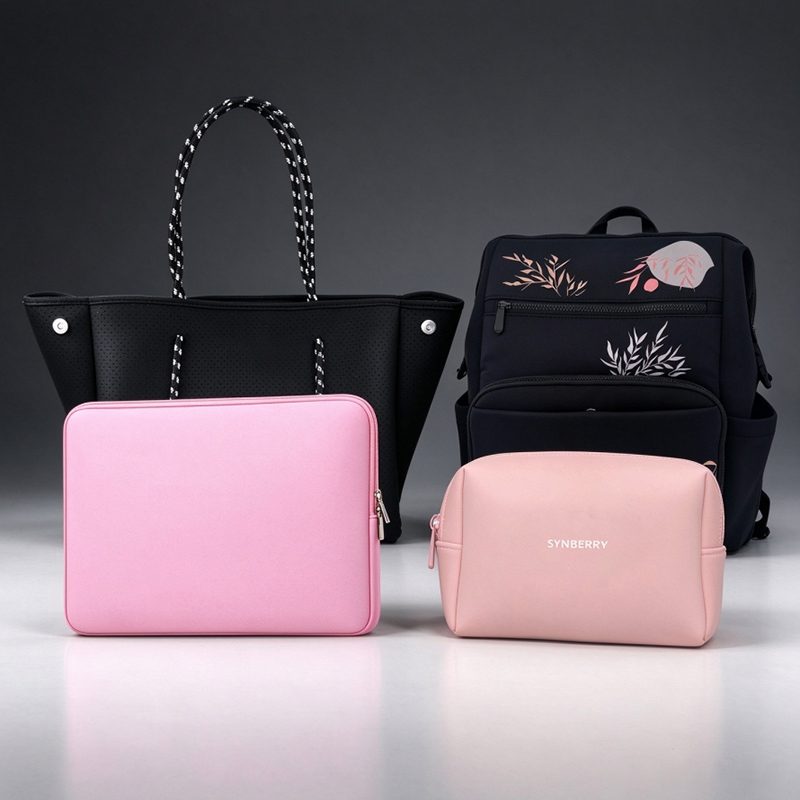
네, 특정 종류의 가방에는 완벽한 선택이지만 모든 종류에 적합한 것은 아닙니다. 네오프렌(학명: 클로로프렌 고무, CR)은 특정 유형의 가방에 매우 적합한 소재입니다. 부드럽고 방수 기능이 뛰어나며 충격 흡수력이 우수하고 성형성도 탁월합니다. 특히 비치백, 다이빙 장비 가방, 카메라 수납 가방, 짐 가방, 도시락 가방, 그리고 다양한 종류의 트렌디한 소프트 백에 적합합니다.제품에 "부드러움 + 방수성 + 보호 기능 + 접이식" 중 두 가지 이상의 특징이 필요하다면 네오프렌은 거의 이상적인 선택입니다. 하지만 구조적인 비즈니스 서류 가방, 가죽과 같은 질감을 추구하는 고급 핸드백, 또는 비용에 매우 민감한 대량 생산 제품을 디자인하는 경우에는 네오프렌이 최적의 솔루션이 아닐 수 있습니다.해당 소재가 "좋은" 소재인지 여부는 제품 포지셔닝, 목표 사용 시나리오 및 비용 구조에 따라 달라집니다. 다음 섹션에서는 소재의 기본 속성부터 시작하여 생산 고려 사항을 단계별로 살펴보면서 해당 소재가 제품에 적합한지 판단하는 데 도움을 드리겠습니다.목차:네오프렌이란 무엇인가요?네오프렌의 장점네오프렌의 단점네오프렌 소재를 사용하기에 적합한 가방 종류는 무엇인가요?네오프렌 가방 맞춤 제작을 위한 실용적인 권장 사항자주 묻는 질문결론 1. 네오프렌이란 무엇인가요?네오프렌(클로로프렌 고무, 약칭 CR)은 1930년대 미국 회사 듀폰에서 발명되었습니다. 원래 잠수복용으로 개발되었기 때문에 많은 사람들이 네오프렌을 "다이빙 소재"라는 용어로 처음 접하게 됩니다. 네오프렌의 과학적 명칭은 폴리클로로프렌 고무이며, 클로로프렌 단량체의 중합을 통해 생성되는 합성 고무의 일종입니다.가방 제조 산업에서 실제로 사용하는 소재는 순수한 고무 시트가 아니라 네오프렌 폼 복합 소재입니다. 이 소재는 네오프렌 폼 층과 나일론 또는 폴리에스터 직물을 접착하여 만든 다층 구조입니다. 일반적인 구조는 나일론/폴리에스터 직물로 된 외층, 네오프렌 폼 스폰지로 된 중간층, 그리고 선택적으로 안감 직물로 된 내층으로 구성됩니다. 발포 비율(예: 2mm, 3mm, 5mm 두께, 쇼어 경도와 밀도로 구분되는 부드러움과 단단함)은 최종 제품의 구조, 강성 및 쿠션 성능을 결정합니다.네오프렌의 "샌드위치 구조"를 이해하면 가방 소재로서 네오프렌의 모든 장점과 단점을 이해할 수 있습니다. 이는 이후의 모든 평가와 결정에 대한 논리적인 출발점입니다. 2. 네오프렌의 장점 2.1 탁월한 방수 및 방습성네오프렌 자체는 폐쇄형 셀 구조의 폼으로, 수분 흡수율이 매우 낮아 수증기가 거의 침투하지 못합니다. 이러한 특성 덕분에 다음과 같은 용도에 적합합니다.해변 가방/수영 가방: 젖은 수영복과 수건을 가방 안에 바로 넣어도 물이 겉면으로 스며들어 다른 소지품을 적시지 않습니다. 또한 곰팡이가 생길 가능성도 적습니다.보냉 가방/런치백: 네오프렌의 밀폐형 셀 구조 자체가 단열층 역할을 합니다. 여기에 알루미늄 호일 안감을 덧대면 내용물을 몇 시간 동안 시원하게 유지할 수 있어 유럽과 북미의 런치백 시장에서 널리 사용되는 소재입니다.야외 및 수상 스포츠 가방: 패들보드 가방, 캐녀닝 가방, 요트 장비 가방으로 적합합니다. 2.2 천연 쿠션 및 보호 기능폼 레이어는 내장형 충격 흡수 장치 역할을 합니다. 이것이 바로 네오프렌을 거의 모든 기존 가방 소재와 구별 짓는 핵심적인 장점입니다.카메라 가방/드론 가방/악기 가방: 3mm~5mm 네오프렌 소재는 정밀 장비를 낙하 및 충격으로부터 보호해 주므로, 진주솜이나 EVA 폼 안감을 추가로 사용할 필요가 없습니다.노트북 슬리브: 네오프렌 소재가 가장 널리 사용되는 시장 중 하나입니다. 이 소재는 가볍고 유연하면서도 떨어뜨렸을 때 충격을 흡수하는 능력이 뛰어납니다.와인병 가방: 1병용 및 2병용 네오프렌 와인 가방은 선물 시장에서 흔히 볼 수 있는 제품군입니다.동일한 수준의 보호 기능을 제공하기 위해 기존 직물은 추가적인 패딩과 쿠션을 필요로 하는데, 이는 부드러움과 경량성을 희생시키는 결과를 초래합니다. 2.3 부드러움과 접힘성네오프렌 소재의 백은 사용하지 않을 때는 접어서 보관할 수 있어 서랍이나 다른 가방에 쉽게 넣어둘 수 있습니다. 또한, 내용물을 채우면 신체 곡선에 맞춰 변형될 수 있어 다음과 같은 용도에 특히 적합합니다.헬스 가방/요가 가방: 부드러운 소재로 만들어져 헬스장 사물함에 쉽게 넣을 수 있습니다.여행용 정리 가방: 접어서 여행 가방에 보관할 수 있지만, 펼쳤을 때는 상당한 수납 공간을 제공합니다.기저귀 가방/아기 가방: 부드러운 소재의 가방은 아기에게 불편한 압박을 주지 않으며, 유모차 수납 바구니에도 쉽게 넣을 수 있습니다.이에 비해 캔버스나 가죽 가방은 종종 절충점을 찾아야 합니다. "부드러우면 형태 유지력이 부족하고, 뻣뻣하면 부피가 크고 무거워집니다." 네오프렌은 "부드러움"과 "형태 유지력" 사이에서 더 나은 균형을 이룹니다. 2.4 뛰어난 인쇄 및 디자인 활용성네오프렌 표면에 접착된 나일론/폴리에스터 혼방 직물은 탁월한 인쇄 소재입니다. 디지털 인쇄, 스크린 인쇄, 열전사 인쇄 모두 생생한 색상과 선명한 디테일을 구현하여 매우 우수한 결과를 제공합니다. 또한, 인쇄된 패턴은 소재가 늘어날 때 갈라질 가능성이 적습니다.또한, 가방 본체는 물결 모양 모서리, 대비되는 색상의 지퍼, 색상 블록 패널 등 다양한 특징으로 디자인할 수 있습니다. 최근 몇 년 동안 네오프렌은 트렌디한 패션 브랜드, IP 협업 컬렉션, 맞춤형 기업 선물 가방에 인기 있는 소재로 자리 잡았습니다.자크뮈스와 같은 디자이너 브랜드의 인기가 높아지면서 부드럽고 조각적인 형태의 네오프렌 소재 패션 가방이 주목받게 되었습니다. 2.5 유지 관리가 쉽고 얼룩에 강함네오프렌 폼 층은 액체 침투를 막는 장벽 역할을 합니다. 고밀도 방수 나일론이나 폴리에스터 원단처럼 가볍게 방수 기능이 있고 쉽게 닦을 수 있는 외부 원단과 접합하면 커피, 진흙, 땀 자국과 같은 일상적인 얼룩이 내부로 스며들 가능성이 줄어듭니다.대부분의 경우, 젖은 천에 순한 중성 세제를 소량 묻혀 부드럽게 닦아주기만 하면 표면을 깨끗한 상태로 복원할 수 있습니다. 캔버스처럼 자주 세척할 필요가 없으며, 가죽처럼 정기적인 관리가 필요한 번거로움도 피할 수 있습니다. 3. 네오프렌의 단점네오프렌은 범용 가방 원단이라기보다는 특정 용도에 맞게 설계된 소재입니다. 실용적인 문제를 해결할 때는 매우 뛰어난 성능을 발휘할 수 있습니다. 하지만 단순히 샘플의 촉감이 부드럽고 고급스럽다는 이유로 네오프렌을 선택하신다면, 샘플 제작 단계로 넘어가기 전에 제품의 전체 사양을 꼼꼼히 검토하는 것이 좋습니다.소재에 대한 합리적인 평가는 장점에만 초점을 맞춰서는 안 됩니다. 네오프렌의 단점 또한 그 구조에 의해 결정됩니다. 3.1 완성된 가방은 예상보다 무거울 수 있습니다.작은 네오프렌 조각 자체는 그다지 무겁게 느껴지지 않을 수 있습니다. 하지만 샌드위치 구조의 넓은 표면적에 지퍼, 웨빙, 금속 부품 등이 결합되면 전체 무게가 상당히 증가할 수 있습니다.일반적으로 사용되는 3mm 두께의 네오프렌 라미네이트 원단을 예로 들면, 단위 면적당 무게는 일반적인 210D 나일론이나 600D 옥스퍼드 원단보다 상당히 무겁습니다. 이는 특히 제품이 가벼워야 하거나 장시간 휴대해야 하는 경우 중요한 고려 사항이 됩니다. 3.2 제한된 통기성네오프렌의 핵심층은 폐쇄형 셀 구조의 폼으로 이루어져 있어, 밀도가 높은 물리적 특성으로 인해 습기 침투를 막을 뿐만 아니라 공기 순환도 효과적으로 차단합니다. 즉, 네오프렌 소재의 침낭은 통기성이 거의 없습니다.공기 순환이 가장 중요한 고려 사항일 경우, 일반적으로 네오프렌 소재는 선택하지 않습니다. 3.3 재봉에는 전문적인 기술이 필요합니다폼 소재 특유의 탄성 때문에 네오프렌은 재봉 과정에서 원단 이송 문제, 땀 빠짐, 주름 발생 등의 문제가 발생하기 쉽습니다. 따라서 땀 길이, 바늘 종류, 원단 이송 방식 등을 세심하게 조절해야 합니다. 두꺼운 소재는 모서리 부분에서 솔기가 터지기 쉬우므로 숙련된 재봉사가 필수적입니다.소규모 공장이 폼 소재 봉제 경험이 전혀 없는 경우 초기 불량률이 상대적으로 높을 수 있습니다.또한, 초음파 무봉제 용접은 네오프렌 소재의 방수 기능을 위해 바느질을 완전히 대체할 수는 없습니다. 고주파 용접도 하나의 방법이지만, 상당한 장비 투자가 필요합니다. 대부분의 제품은 기본적인 생활 방수 수준을 넘어서는 방수 기능을 확보하기 위해 여전히 방수 지퍼와 함께 사용해야 합니다. 3.4 주름 및 눌림 자국이 생기기 쉬움장기간 접어서 보관하거나 운송하는 경우, 네오프렌 폼 소재의 접힌 부분에 눌림 자국이 생겨 제품의 매끄러움과 전체적인 외관에 영향을 미칠 수 있습니다. 접히거나 압축된 상태로 제품을 받은 경우, 일반적으로 제품을 그대로 두어 소재가 자연스럽게 원래 형태로 복원될 수 있도록 해야 합니다.바로 사용할 수 있도록 편리하게 설계되었거나 고급 선물용으로 포지셔닝된 제품의 경우, 과도한 압축을 방지하기 위해 포장 디자인에 추가적인 지지 구조를 포함해야 합니다. 3.5 기존 직물보다 가격이 더 높음일반적인 3mm 네오프렌 라미네이트 폴리에스터 원단의 가격은 일반 600D 옥스포드 원단보다 약 3~5배 높습니다. 또한, 재단 과정에서 발생하는 폐기물이 많고(폼 소재의 탄성으로 인해 평직 원단보다 원단 배치가 덜 촘촘함), 봉제 효율도 떨어집니다. 결과적으로 전체적인 비용이 폴리에스터나 나일론 기반 제품보다 훨씬 높습니다.이러한 특성 때문에 네오프렌은 저가 대량 생산 제품에는 적합하지 않지만, 중상위 수익률을 목표로 하는 기능성 또는 디자인 지향적인 제품에는 더 적합합니다. 4. 네오프렌 소재에 적합한 가방 종류는 무엇인가요?앞의 두 절에서 논의한 장단점을 비교 검토함으로써 명확한 의사결정 틀을 마련할 수 있습니다.추천 제품 카테고리:카메라/드론/악기 슬리브 및 정리 가방: 충격 흡수와 보호가 최우선일 때 이상적입니다.노트북 슬리브: 이미 확립된 제품군으로 경쟁 구도가 잘 정립되어 있습니다.보온 도시락 가방/보냉 가방: 보온과 내용물 유출 방지가 모두 필요한 제품에 이상적입니다.와인병 보호백/컵 슬리브: 보호 기능과 선물용 매력을 동시에 갖춘 제품에 적합합니다.해변 가방/수영 가방/수상 스포츠 가방: 방수 기능이 가장 중요한 요구 사항인 용도에 이상적입니다.스포츠용 허리 가방: 부드러운 소재와 세척 용이성을 중시하는 제품에 적합합니다.기저귀 가방/화장품 가방: 부드러운 촉감, 얼룩 방지 및 방수 기능이 필요한 제품에 적합합니다.권장하지 않는 제품 카테고리:서류가방 및 구조화된 통근용 가방고급 핸드백에 필요한 프리미엄 가죽 질감저가형 및 중가형 대량 생산 가방: 비용 구조상 수익성이 없습니다.계절성이 강한 단기 상품 5. 네오프렌 가방 맞춤 제작을 위한 실용적인 권장 사항브랜드와 백팩 제조업체에게 소재 선택은 단지 첫 번째 단계일 뿐입니다. 실행 과정에서 관리해야 할 다섯 가지 핵심 요소가 있습니다. 5.1 두께 및 경도가방에 사용되는 네오프렌의 표준 두께는 일반적으로 2mm~5mm입니다. 내부 슬리브의 경우 2~3mm 두께면 충분합니다. 세워서 보관해야 하는 토트백의 경우 4~5mm 두께를 권장하며, 라미네이션을 통해 안감을 추가할 수도 있습니다.샘플링 과정에서 접은 후 재료의 복원력과 하중을 받았을 때 처짐 정도를 반드시 테스트하십시오. 이를 통해 두께가 가방의 구조 및 형태 유지에 대한 기대치와 일치하는지 확인할 수 있습니다. 5.2 라미네이션 품질3중 소재 구조(외피 + 폼층 + 안감)의 적층 품질은 제품의 수명을 좌우합니다. 적층 품질이 낮은 제품은 몇 달 사용 후 박리되거나 기포가 발생할 수 있는 반면, 고품질 적층 제품은 각 층이 단단하게 접착되어 손으로도 쉽게 분리되지 않습니다.따라서 유사한 제품 제조 경험이 풍부한 전문 가방 공장을 선택하는 것이 필수적입니다. 5.3 냄새 제어발포 및 라미네이션 공정 중 네오프렌은 불가피하게 일정량의 화학 냄새, 흔히 "고무 냄새" 또는 "접착제 냄새"라고 불리는 냄새를 함유할 수 있습니다. 환경 기준을 충족하는 소재는 환기를 통해 냄새가 점차 사라지지만, 포장을 개봉했을 때 불쾌한 냄새가 나면 특히 냄새에 민감한 소비자, 예를 들어 아기 용품을 구매하는 부모나 고가의 선물을 받는 사람들에게 부정적인 인상을 줄 수 있습니다.따라서 네오프렌 가방 OEM 생산 과정에서 다음과 같은 요소에 특히 주의를 기울입니다.재료 출처라미네이션 공정포장 조건출하 전 환기 시간 5.4 지퍼 선택 방수 수준을 결정합니다일반 나일론 지퍼는 생활 방수 제품 내부로 물이 스며들 수 있는 주요 경로 중 하나입니다. 더 높은 방수 성능이 요구되는 제품의 경우, 방수 또는 완전 방수 지퍼(예: YKK 방수 지퍼 시리즈)를 사용하거나 지퍼 안쪽에 방수 지퍼 덮개를 추가해야 합니다.방수 지퍼는 일반적으로 일반 지퍼보다 뻑뻑하고, 여닫을 때 저항이 더 크며, 가격도 더 비싸다는 점을 유의해야 합니다.제품이 전문 다이빙이나 극한의 야외 환경에 사용될 목적이 아니라면, 최고 수준의 방수 지퍼 성능을 맹목적으로 추구할 필요는 없습니다. 그렇게 하면 사용자 경험이 저하될 뿐 아니라 불필요하게 비용이 증가할 수 있습니다. 5.5 금속 하드웨어의 녹 방지 기능네오프렌 가방은 습기가 많은 환경에서 자주 사용되므로 금속 부속품은 녹 방지 기능이 뛰어나야 합니다. 실제로, 염수 분무 테스트 하드웨어의 내식성을 평가하는 데 사용할 수 있습니다. 두꺼운 전기 도금 코팅이 된 아연 합금 하드웨어 또는 스테인리스강 하드웨어를 우선적으로 고려해야 합니다.이는 해안 환경이나 땀에 노출될 경우 발생할 수 있는 급격한 산화 및 녹 발생을 방지하는 데 도움이 되며, 그렇지 않을 경우 제품의 전체적인 외관과 품질에 대한 인식을 저해할 수 있습니다. 6. 자주 묻는 질문 Q1: 네오프렌과 SBR의 차이점은 무엇인가요?CR(클로로프렌 고무/네오프렌)과 SBR(스티렌-부타디엔 고무)은 모두 합성 고무이며, 둘 다 외피 + 폼층 + 안감으로 구성된 "샌드위치" 구조로 만들 수 있습니다. 외관, 촉감, 두께까지 거의 동일하게 만들 수 있습니다. 그러나 네오프렌 가방 OEM 제조 경험을 바탕으로 두 소재 사이에는 두 가지 중요한 차이점이 있습니다.탄력성 및 형태 복원력: CR 소재는 탄력성이 뛰어나 접은 후 생긴 압축 자국이 빠르게 복원되어 장기간 사용 시 변형이 덜 발생합니다. 반면 SBR 소재는 탄력성이 상대적으로 약하여 반복적인 접힘이나 강한 압축 후 영구적인 주름이 생기거나 형태가 무너질 가능성이 높습니다.내구성과 내후성: CR은 SBR보다 내구성과 내후성이 뛰어나며, 자외선, 오존, 해수 부식에 대한 저항성이 훨씬 우수합니다. SBR은 직사광선이나 습한 환경에 장기간 노출될 경우 노화, 경화, 표면 분말화 현상이 발생하기 쉽습니다.다음 표는 두 재료의 고유한 성능 특성과 비용을 비교합니다.다음 표는 두 제품의 고유한 성능 특성과 비용을 비교합니다.비교 요소 CR(정품 네오프렌) SBR(스티렌-부타디엔 고무)내마모성 괜찮긴 하지만 SBR만큼 좋지는 않네요. 탁월한 성능; 높은 내마모성이 요구되는 가방에 일반적으로 사용됩니다.내열성 대략 -40°C ~ +120°C 대략 -20°C ~ +80°C내구성 훌륭합니다. 장기간 사용해도 가루가 되는 현상이 적습니다. 평균적인 품질이며, 야외에서 갈라지고 가루가 되기 쉽습니다.탄력성과 감촉 유연성과 뛰어난 회복력을 갖추고 있습니다. CR에 비해 상대적으로 회복력이 약함비용 높음; CR 비용은 SBR 비용의 약 두 배입니다. 하부; 시중에 판매되는 많은 "다이빙용 원단" 제품에 주로 사용되는 소재냄새 상대적으로 온화함 보통 더 눈에 띕니다.요약: SBR은 "네오프렌의 경제적인 대체재"입니다. 제품의 주요 장점이 부드러움, 쿠션감, 방수성, 얼룩 방지 기능(예: 비치백, 카메라 가방, 도시락 가방)이라면 SBR은 일반적으로 비용 효율적인 선택입니다. 그러나 "진정한 네오프렌 품질"을 강조하거나, 제품을 프리미엄 가격으로 포지셔닝하거나, 내열성, 주름 복원력, 내후성 등 고객의 높은 요구 사항을 충족하려는 경우에는 CR이 더 나은 선택일 수 있습니다. 가격 책정 전략을 세울 때 이러한 비용 차이도 고려해야 합니다. Q2: 네오프렌 소재의 가방은 세탁기로 세탁할 수 있나요?세탁기 사용은 권장하지 않습니다. 네오프렌 소재 자체는 세탁에 견딜 수 있지만, "샌드위치 구조"의 접착층과 봉제 부분은 세탁기의 강한 회전력과 원심력을 견디지 못합니다. 세탁기 사용 시 원단 박리, 기포 발생, 심지어는 돌이킬 수 없는 변형이나 부품 손상이 발생할 수 있습니다.올바른 세척 방법은 미지근한 물과 중성 세제를 사용하여 부드러운 천이나 스펀지로 얼룩진 부분을 살살 닦아내는 것입니다. 그런 다음 깨끗한 물로 세제 잔여물을 닦아내고 서늘하고 통풍이 잘 되는 곳에서 자연 건조시키십시오.직사광선과 고온 건조는 피하십시오. 열은 고무의 노화를 가속화하여 경화되거나 갈라지게 할 수 있습니다. 심한 냄새 제거 또는 꼼꼼한 세척이 필요한 경우 전문 드라이클리닝 업체에 맡기는 것을 고려해 보세요. 단, 소재의 특성을 미리 알려주어 강한 용제를 사용하지 않도록 주의해야 합니다. Q3: 네오프렌 가방은 다양한 모양으로 맞춤 제작이 가능한가요?네, 하지만 소재의 특성 때문에 가능성이 제한적입니다. 네오프렌은 어느 정도 유연성이 있어 금형을 이용한 열압착 방식으로 간단한 질감 패턴을 만들 수 있습니다. 하지만 EVA나 사출 성형 플라스틱과는 달리 복잡한 기하학적 구조나 날카로운 직각을 쉽게 구현하기는 어렵습니다.견고하고 단단한 외관이 요구되는 경우, 내부 보강재(예: PP 보드 또는 EVA 시트) 또는 더 두꺼운 폼 층(5mm 이상)이 일반적으로 필요합니다."부드러운 조형적 효과"를 목표로 하는 디자인의 경우, 단일 소재의 자연적인 구조적 지지력에 의존하기보다는 디자인 단계에서 공장과 시공 방식을 협의하고 다중 패널 구조 및 구조적 분할을 통해 원하는 형태를 구현하는 것을 권장합니다. 질문 4: 네오프렌 소재의 가방은 무거운가요?네오프렌 소재의 가방은 구매자들이 예상하는 것보다 무거울 수 있습니다. 특히 넓은 면적의 네오프렌 원단에 안감, 웨빙, 지퍼, 금속 부품 등이 결합된 경우 더욱 그렇습니다. 일반 폴리에스터나 나일론 소재의 가방보다 훨씬 무거울 수 있습니다. Q5: 네오프렌 가방은 환경 친화적인가요?이 질문은 여러 관점에서 다뤄야 합니다. 재료 자체로 보면, 클로로프렌 고무(CR)와 스티렌-부타디엔 고무(SBR)는 모두 자연적으로 생분해되기 어려운 합성 고무이며 생분해성 물질로 간주되지 않습니다. 그러나 실제 생산 및 사용 과정에서의 환경적 성능은 특정 제조 공정과 적용된 기준에 따라 달라집니다.첫 번째 고려 사항은 접착 및 라미네이션 공정입니다. 기존의 용제 기반 접착제는 휘발성 유기 화합물(VOC)을 함유할 수 있는데, 이는 강한 냄새를 유발할 뿐만 아니라 환경에도 해롭습니다. 오늘날 많은 중고급 공급망은 수성 접착제 또는 열용융 접착 라미네이션 공정으로 전환하여 유해 잔류 물질을 크게 줄이고 EU의 REACH 및 RoHS 요건과 같은 주요 환경 규정을 충족하고 있습니다. Q6: 가방 제작에 네오프렌이 나일론이나 폴리에스터보다 더 나은가요?꼭 그렇지는 않습니다. 극도로 가벼운 무게, 저렴한 가격, 그리고 뛰어난 통기성을 최우선으로 생각한다면 나일론이나 폴리에스터를 선택하세요. 하지만 방수성, 쿠션감, 부드러운 촉감, 또는 독특한 패션 감각을 원하고, 더 높은 가격과 무게를 감수할 수 있다면 네오프렌이 더 나은 선택일 수 있습니다.많은 고급 브랜드는 본체에는 네오프렌을 사용하고 주요 부위에 폴리에스터 또는 나일론 패널을 통합하여 두 소재의 장점을 결합하는 "하이브리드 전략"을 채택하기도 합니다. 7. 결론좋은 소재와 나쁜 소재를 절대적으로 구분하는 것은 없습니다. 중요한 것은 소재가 용도에 적합한지 여부입니다. 가방 제조업체와 브랜드의 경우, 제품 개발 단계에서 "용도 시나리오-기능-소재"라는 역순으로 접근하는 것이 가장 좋습니다. 네오프렌이 가장 뛰어난 성능을 발휘하는 곳에 사용하고, 제조 공정 및 품질 검사를 통해 한계를 보완해야 합니다. 올바르게 적용하면 네오프렌은 제품 라인에서 귀중한 자산이 되어 제품 차별화와 수익 증대에 상당한 잠재력을 제공할 수 있습니다.SYNBERRY BAG은 30년 이상의 가방 OEM/ODM 제조 경험을 보유하고 있으며, 다양한 소재에 걸쳐 첨단 소재 가공 및 정밀 제조 기술을 전문으로 합니다. 당사는 네오프렌 소재의 라미네이션, 봉제 및 품질 관리에 대한 특수한 요구 사항을 이해하고 있으며, 소재 선정부터 완제품 납품까지 전 과정에 걸쳐 전문적인 지원을 제공합니다.기능성 보호 슬리브를 개발하든, 현대적인 패션 감각을 보여주는 디자이너 핸드백을 개발하든, SYNBERRY BAG은 브랜드가 창의적인 콘셉트를 정밀하게 완제품으로 구현할 수 있도록 지원합니다. 성능, 비용, 미학의 균형을 맞춰 시장의 검증을 거친 고품질 제품을 만들 수 있도록 도와드립니다. 작가
더 보기계속 읽어보시고, 계속해서 소식을 받아보시고, 구독하세요. 귀하의 생각을 알려주시면 감사하겠습니다.




저작권
@2024 Synberry Bag & Package Products Co.,Ltd 모든 권리 보유
.
 네트워크 지원
사이트맵 / 블로그 / Xml / 개인 정보 보호 정책