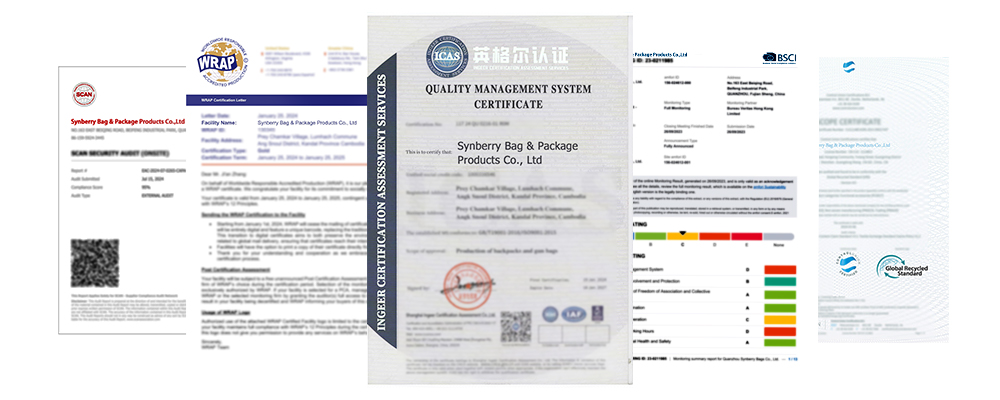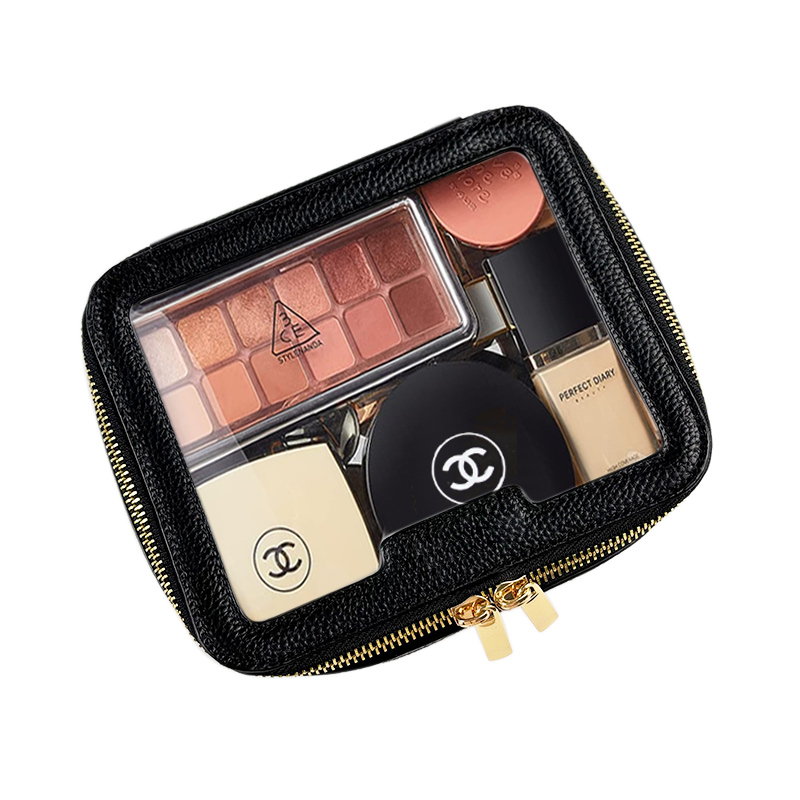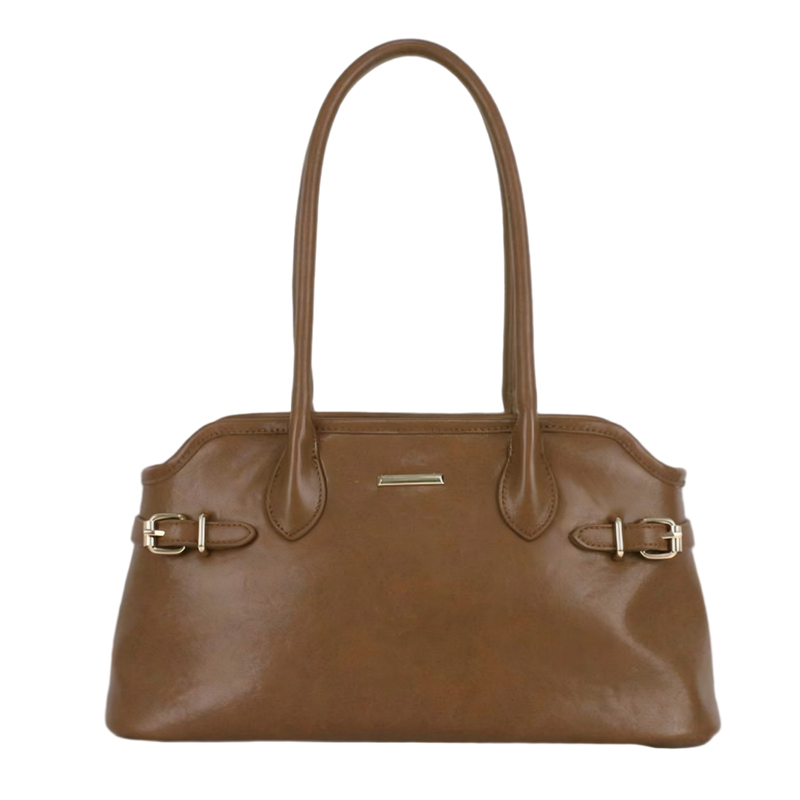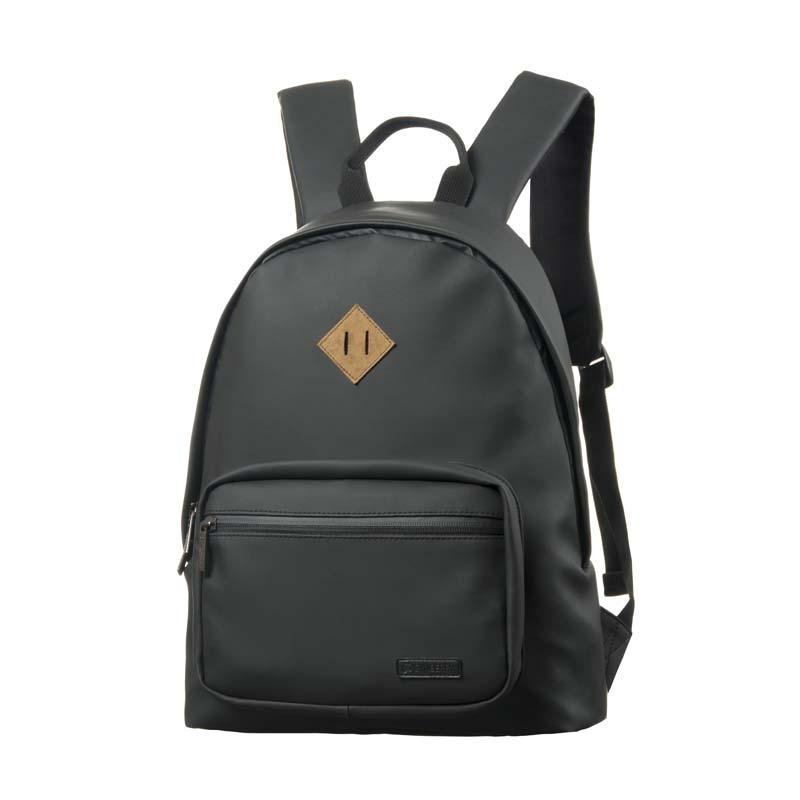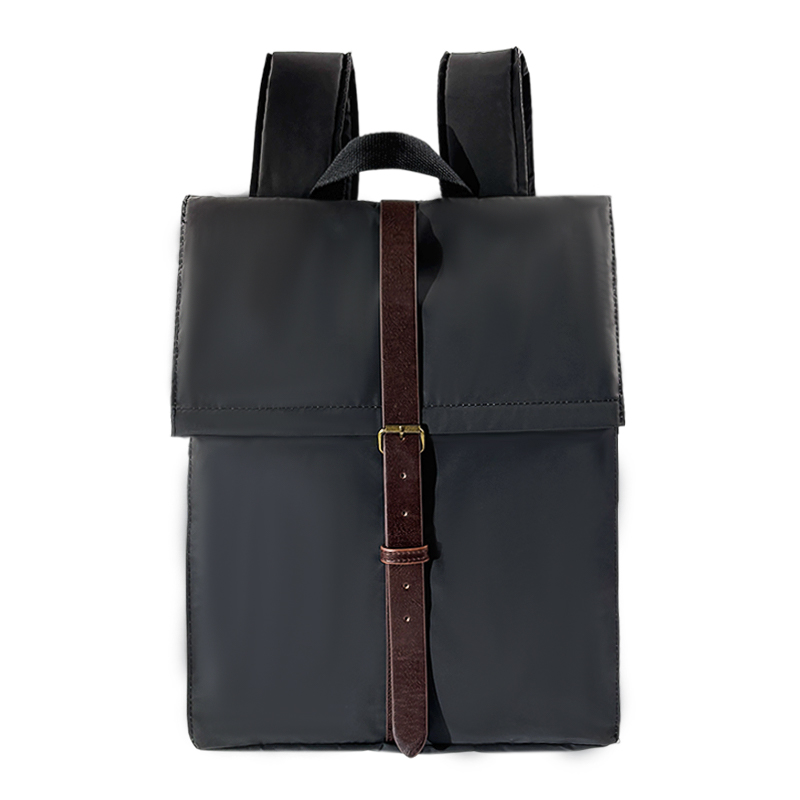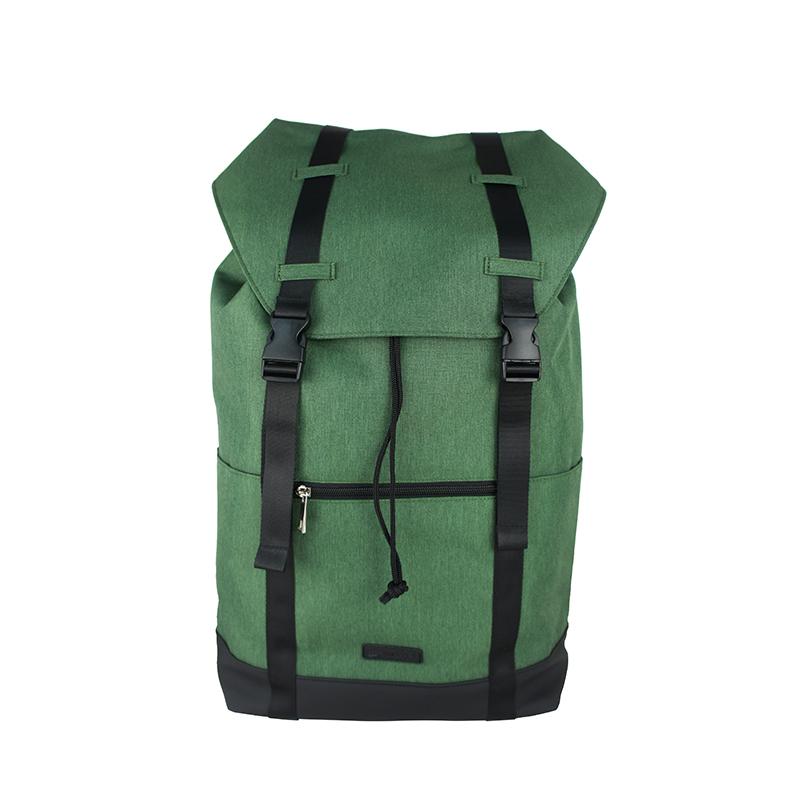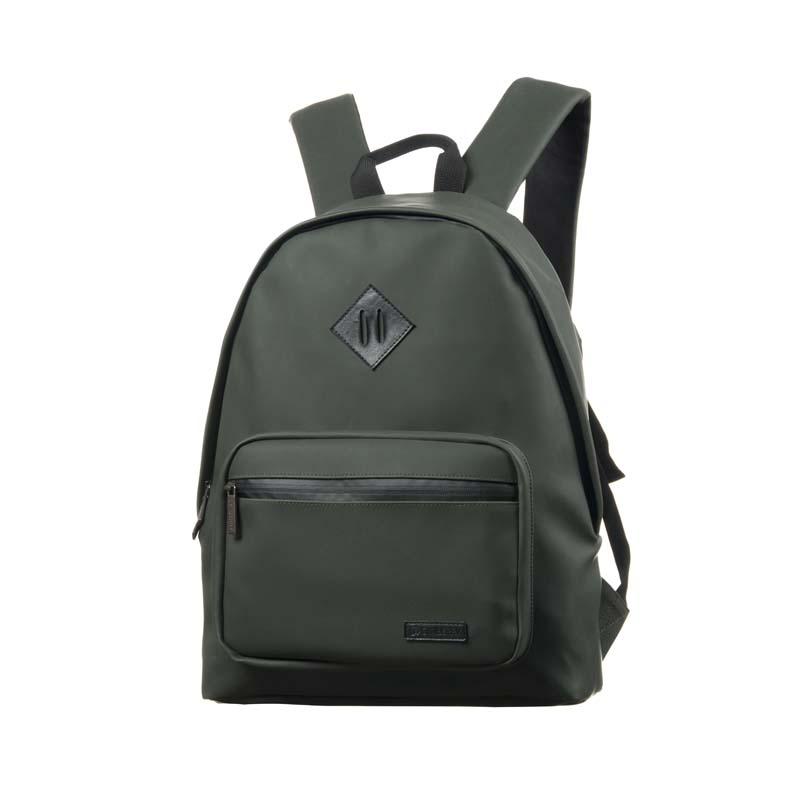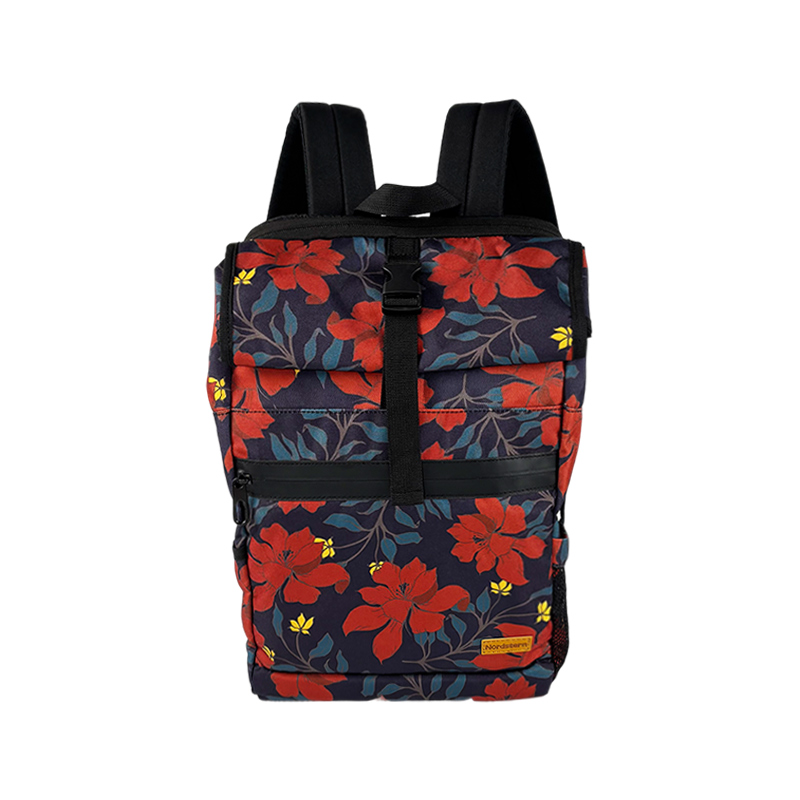


Synberry를 두 세대가 선택한 이유는 무엇입니까? 명확하게 정의된 품질 원칙, 잘 관리된 문서 및 기록, 그리고 가장 중요한 심층 프로세스 분석 및 검사를 통해 우리는 일관된 고품질을 보장할 수 있습니다.


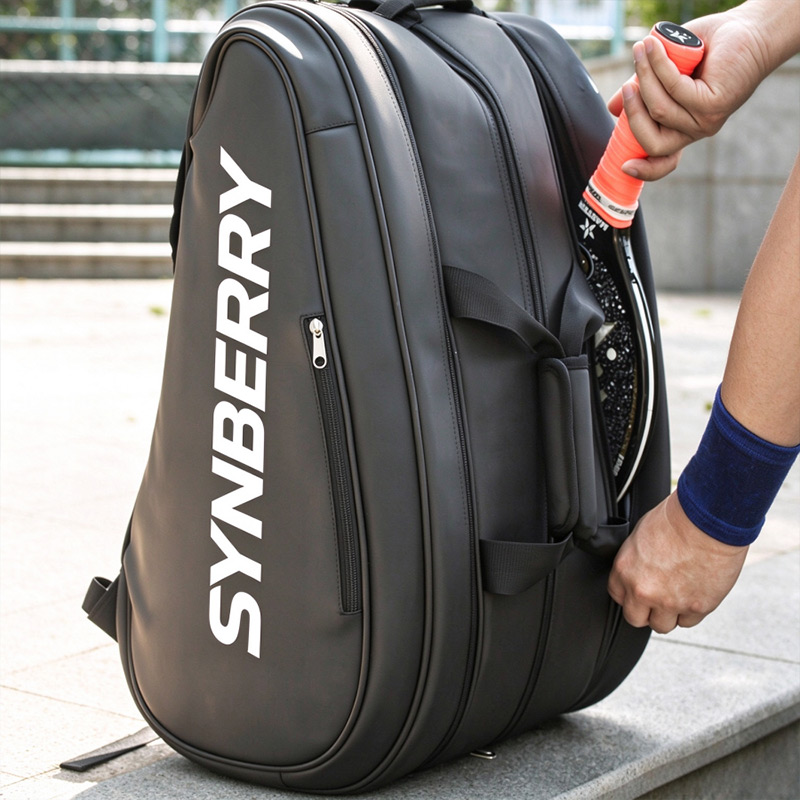
A quality pickleball bag should meet four core standards: a scientifically designed compartment layout, a comfortable carrying system, high-quality craftsmanship, and durable, water-resistant materials. Only when all four elements are combined can a pickleball bag truly be considered a good one. Table of Contents: Scientific Compartment Design Comfortable Carrying System High-Quality Craftsmanship Durable, Water-Resistant Materials Customization Recommendations for Brands Frequently Asked Questions About Pickleball Bag Customization Conclusion 1. Scientific Compartment Design Pickleball paddle faces are primarily made of carbon fiber or fiberglass composite materials, which are susceptible to pressure, scratches, and prolonged exposure to high temperatures and direct sunlight. Therefore, a dedicated paddle compartment is an essential feature of a good pickleball bag. Specifically, an excellent paddle compartment should have the following features: Thickened, Insulated Paddle Compartment: The dedicated paddle compartment should feature a thickened EVA or pearl cotton cushioning layer to absorb impacts when the bag is dropped or squeezed. In addition, an aluminum foil thermal insulation lining can effectively resist high outdoor temperatures and help prevent paddle face deformation caused by prolonged exposure to direct sunlight. Large-Capacity Main Compartment: The main compartment should provide sufficient space to accommodate all the essential gear needed for daily training or competitions, such as clothing, towels, water bottles, and other items. Quick-Access Ball Pocket: Add a dedicated mesh or elastic compartment inside the main compartment for storing pickleballs. The separate, quick-access ball pocket keeps balls physically separated from clothing, helping maintain the cleanliness and organization of the gear. It also allows players to quickly access spare balls during warm-ups or between matches without having to search through the entire main compartment, improving overall efficiency and user experience. Separate, Ventilated Shoe Compartment: Isolated from the main compartment, it prevents wet or dirty shoes from soiling paddles and clothing while helping reduce unpleasant odors. This is a key feature that distinguishes a professional pickleball bag from an ordinary gym bag. Multiple Small Pockets: Designed to store personal items and accessories such as mobile phones, keys, overgrips, protective gear, and towels. Hidden Valuables Pocket: Features a soft, suede-lined interior to safely store valuables that are susceptible to scratches. 2. Comfortable Carrying System Pickleball bags commonly come in three carrying styles: backpacks, shoulder/crossbody bags, and convertible bags that can be carried by hand or worn as backpacks. Backpack: Ideal for carrying multiple paddles and a full set of gear, its key features lie in the design of the shoulder straps and back panel. The shoulder straps of a high-quality backpack should be wide and thick, filled with high-density foam, and covered with breathable mesh fabric to distribute pressure across the shoulders and promote airflow, preventing excessive heat buildup and pressure marks during extended wear. The back panel should incorporate an EVA or PE pearl cotton support layer to prevent it from deforming or collapsing under heavy loads. It should also conform to the natural curvature of the spine, providing stable and reliable support. Shoulder Bags or Crossbody Bags: These bags prioritize lightweight convenience and flexibility, making them ideal for short training sessions or situations where only a small amount of gear is needed. The shoulder strap should be sufficiently wide to prevent slipping, while the shoulder pad should incorporate a cushioning layer to reduce the strain of carrying weight on one shoulder. An adjustable shoulder strap allows users of different heights to find a comfortable fit. Convertible Tote and Backpack: For users who value versatility, a convertible tote and backpack offers greater flexibility. This type of bag typically features a reinforced top handle for convenient carrying over short distances or placing the bag in a vehicle, as well as a padded side handle designed to reduce pressure on the hand and prevent discomfort when carrying the bag. When converted into backpack mode, the concealed shoulder straps should be easy to pull out and securely fasten, ensuring a seamless carrying experience in both configurations. Regardless of the style chosen, the ultimate goal of the carrying system is to ensure that players feel comfortable and at ease on their way to and from the court. 3. High-Quality Craftsmanship Craftsmanship details directly determine the service life and overall look and feel of a pickleball bag. Stitching: The stitching must be strong and durable, with consistent stitch spacing and neat, even seams. Key stress points, such as shoulder strap attachment points, handle bases, and zipper ends, should be reinforced with double or even triple stitching, combined with bar-tack reinforcement to improve tear resistance and prevent seams from splitting or breaking under prolonged heavy loads. Hardware: The choice of hardware is crucial. Zippers should be smooth, durable, and offer a certain level of water resistance, preferably from reputable brands such as YKK or SBS. Zipper pulls should be designed for easy gripping and operation, even when wearing sports gloves. Buckles: Buckles should undergo fatigue testing to ensure they resist cracking or deformation even after repeated fastening and release. In addition, fabric edges should be finished neatly, with no loose threads, and the bag should maintain a structured, well-defined shape without easily collapsing, even when empty. These details reflect professional quality and attention to detail. 4. Durable, Water-Resistant Materials Pickleball is often played outdoors, where bags may be exposed to sudden rain showers or morning dew on the court. Therefore, the water resistance of the fabric serves as the first line of defense in protecting the gear inside. 4.1 Main Fabric: Nylon vs. Polyester A high-quality pickleball bag should be made from high-density nylon (such as 600D or higher) or polyester fabric. These materials offer excellent abrasion resistance and tear resistance, along with good water-repellent properties. Nylon: When comparing these two common materials, nylon stands out for its higher strength-to-weight ratio and excellent abrasion resistance, making it a preferred choice for premium pickleball bags. It has a smooth surface and a soft feel, but comes at a relatively higher cost. Polyester: Polyester offers better UV resistance and color retention, making it less prone to fading or degradation after prolonged exposure to direct sunlight. It is also more affordable, making it a cost-effective choice. 4.2 Waterproof Coatings A high-quality fabric base alone is not sufficient to withstand harsh weather conditions. The surface waterproofing treatment is the key factor that determines a bag's water-repellent performance. Most professional pickleball bags on the market today use one of three main treatments: DWR (Durable Water Repellent) coating, PU coating, or TPU coating. DWR Water Repellency: DWR coating creates a lotus-leaf effect on the surface of the bag, causing water droplets to bead up and roll off quickly rather than penetrate the fabric. This effectively prevents rainwater from soaking the gear inside. PU Waterproof Coating: PU coating is typically applied to the inner side of the fabric, forming a dense waterproof membrane. It not only prevents external moisture from penetrating but also enhances the fabric's overall structure and tear resistance. TPU Waterproof Coating: As a thermoplastic polyurethane elastomer, TPU coating is typically laminated onto the inner side of the fabric as a thin film or incorporated as a separate layer. Compared with PU coating, TPU offers superior hydrolysis resistance and low-temperature flexibility. Even in cold and humid environments, it is less prone to degradation, hardening, or cracking, helping maintain the bag's waterproof performance over long-term use. 5. Customization Recommendations for Brands If you are planning to develop a pickleball bag under your own brand, the following recommendations across three key areas can help you strike the right balance between product performance, cost, and target audience. 5.1 Main Fabric Selection Recommendations Fabric determines a pickleball bag's look and feel, durability, and pricing potential. The following table provides fabric selection recommendations based on product positioning. Fabric Option Common Specifications Strength / Abrasion Resistance UV Resistance Cost Recommended Positioning Polyester 600D / 900D ★★★☆ ★★★★☆ (fade-resistant) Moderate Value-oriented models, entry-level models, and products for prolonged outdoor sun exposure Nylon 600D / 1680D ballistic nylon ★★★★★ (strong and lightweight) ★★★ (UV treatment recommended) Medium to high Mid-to-high-end models and bags for professional players Nylon + Ripstop / Jacquard Checkered nylon, honeycomb texture ★★★★★ ★★★ High Premium models and designer brands Composite Mesh Fabric (PVC/EVA) 500D–1000D ★★★★☆ ★★★☆ Moderate Enhanced waterproof models and bags for beach or multi-purpose use Key Selection Considerations: For high-volume sales models, prioritize 600D polyester. It offers manageable costs and good colorfastness, making it a popular choice for mainstream, entry-level products. For mid-to-high-end models, consider 1000D or 1680D ballistic nylon. Its high strength and good water resistance make it suitable for the mid-to-high-end market. Eco-friendly options: Consider recycled nylon, such as ECONYL®, or recycled polyester (RPET), and support internationally recognized certifications such as GRS to meet the growing demand for sustainable products in European and North American markets. 5.2 Capacity Selection Recommendations Bigger is not always better when it comes to capacity. The ideal size should match the target users' playing scenarios and carrying habits. The following table provides capacity design recommendations for OEM pickleball bag development. Capacity Category Paddle Capacity Typical Configuration Target Audience Reference Dimensions (L × W × H) Lightweight Model 1–2 paddles Main compartment + ball pocket + water bottle holder; usually no shoe compartment Casual players and people who combine walking with playing pickleball Approx. 45 × 20 × 25 cm Standard Model (Recommended) 2–4 paddles Padded paddle compartment + main compartment + separate shoe compartment + ball pocket + small-item compartments Core club members and regular doubles players Approx. 50 × 25 × 32 cm Professional Large-Capacity Model 4–6 paddles Padded paddle compartment + large main compartment + separate shoe compartment + ball pocket + waterproof pouch Professional players and coaches Approx. 55 × 30 × 38 cm Travel / Team Model 6 or more paddles Rolling suitcase-style bag or extra-large backpack with external attachment systems Team bulk purchases and players who travel frequently Approx. 60 × 35 × 45 cm Key Selection Considerations: The standard model is the sweet spot. A bag that holds 2–4 paddles can serve a broad range of players. Brands developing a new pickleball bag product line should consider making this capacity their flagship SKU Lightweight models are ideal for customer acquisition or promotional giveaways. Their simple construction and lower cost make them suitable as companion bags for entry-level sets or as commemorative gifts for club events, lowering the barrier to entry for new players. Professional large-capacity models should prioritize storage efficiency rather than simply adding more space. To address the challenge of organizing extensive equipment carried by coaches and professional players, consider removable dividers or modular inner compartments. These features allow users to accommodate different combinations of paddles and clothing while keeping the interior organized. Travel / team models should prioritize travel-friendly features. In addition to extra-large capacity, they should include a standard luggage strap and abrasion-resistant protective feet. These features help secure the pickleball bag to a suitcase during airport transfers and long-distance travel while reducing wear on the bottom of the bag 6. FAQ: Frequently Asked Questions About Pickleball Bag Customization Q1: What is the difference between a pickleball bag and a tennis bag? Can they be used interchangeably? They can be used interchangeably on a temporary basis, but it is not recommended. Pickleball paddles (approximately 40 cm long) are shorter than tennis rackets, so tennis racket compartments may leave too much empty space, allowing paddles to shift around and collide with other items. Pickleball bags also typically feature dedicated ball pockets, since hard plastic pickleballs can be damaged by excessive pressure, as well as shoe compartments and more small-item storage sections. If you play only pickleball, a dedicated pickleball bag offers a significantly better user experience. Q2: How can I tell a bag's waterproof rating? Does water repellency mean it is waterproof? No. Water repellency provided by a DWR coating is generally sufficient for light rain and splashes, but zipper areas can still allow water to seep in. For more comprehensive waterproof protection, the bag needs a combination of PU/TPU-coated fabric or laminated waterproof fabric and waterproof zippers, such as those in YKK's waterproof zipper series. When shopping, check whether the product specifications mention both fabric coating and waterproof zippers. Q3: Why does a pickleball paddle compartment need thermal insulation? Can summer heat really damage a paddle? Yes. Pickleball paddles made with carbon fiber or fiberglass faces and polypropylene honeycomb cores may experience face softening, delamination, or changes in playing feel after prolonged exposure to high temperatures and direct sunlight. An aluminum foil thermal insulation lining can significantly reduce the temperature inside the bag, making it one of the key features that distinguishes a professional pickleball bag from a budget model. Q4: What is the typical minimum order quantity (MOQ) and lead time for custom pickleball bags? SYNBERRY's standard MOQ is approximately 500 pieces. The sampling lead time depends on the complexity of the design and is typically 2–3 weeks. Mass production lead time varies according to order quantity and manufacturing complexity. Additional time should be allowed for special processes, such as full-surface printing, reflective strips, and custom-molded buckles. Q5: Should I choose nylon or polyester for a pickleball bag? Which is more durable? Both materials are durable, but each offers different advantages. Nylon provides greater strength and a better hand feel, making it suitable for mid-to-high-end products. Polyester offers better UV resistance, superior color retention, and a lower price, making it ideal for cost-effective models intended for prolonged outdoor sun exposure. Choose nylon if your budget allows; choose polyester if value for money is the priority. 7. Conclusion Pickleball is experiencing explosive growth in global participation, and pickleball bags are evolving from accessory equipment into a specialized product category. For sports bag brands, this represents not only an opportunity to enter an emerging market but also a critical window to establish professional brand recognition through more refined product development. An excellent pickleball bag should be more than a collection of storage compartments. It should reflect a deep understanding of end-user needs and deliver a thoughtful response to their expectations. From thermal insulation technology that protects expensive paddles, to compartment layouts that improve access efficiency, to weather-resistant materials designed for outdoor conditions, every detail demonstrates respect for the player's sporting experience. This article has been written from the perspective of a pickleball bag manufacturer, with the aim of providing brands developing pickleball bag product lines with a comprehensive reference guide, from understanding customer needs to bringing products into production. Author
더 보기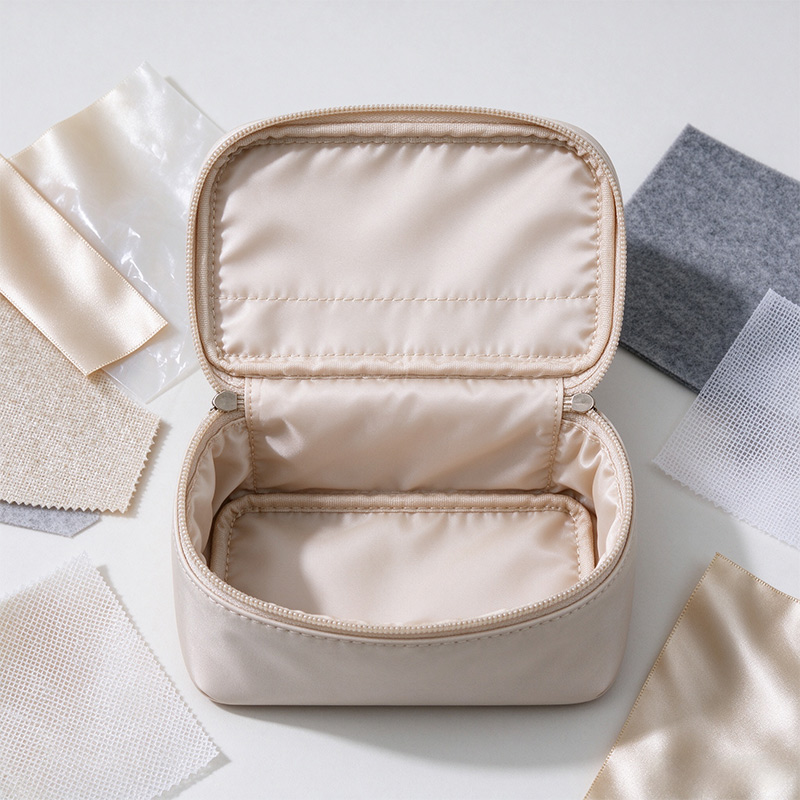
화장품 파우치 안감에 가장 흔히 사용되는 소재는 폴리에스터 기반 원단, 특히 폴리에스터 평직, 폴리에스터 태피터, 폰지, 코팅 폴리에스터입니다. 이 외에도 나일론, TPU, PEVA, PVC, EVA는 높은 방수 및 누수 방지 기능이 요구되는 제품에 자주 사용됩니다. RPET(재활용 폴리에스터)와 재활용 나일론은 지속 가능한 브랜드 라인에 적합하며, 마이크로파이버, 인조 스웨이드, 벨벳, 새틴은 고급스러운 촉감과 선물용으로 적합합니다. 면, 캔버스, 면-폴리에스터 혼방, 면-린넨 혼방 소재는 화장품 파우치 안감으로 사용할 수 있으며, 특히 캔버스 화장품 파우치, 자연스러운 스타일, 친환경적인 이미지 또는 자수 질감이 필요한 제품에 적합합니다. 그러나 이러한 소재의 방수, 방오, 세척 용이성은 코팅 처리된 합성 섬유와 차이가 있으므로 특정 사용 시나리오에 따라 평가해야 합니다. 목차:• 기능 요구사항에 따른 선정• 라이닝 선택을 위한 주요 기술 매개변수• 안감 맞춤 제작 과정 및 로고 표현 방법• 브랜드의 전 공정 자재 품질 관리를 어떻게 보장할까요?• 자주 묻는 질문• 결론 Ⅰ. 기능적 요구사항에 따른 선정 및 일반 원단 분석화장품 파우치 안감 선택은 일반적으로 얼룩 방지 및 방수 기능, 화장품 보호, 간편한 세척, 형태 유지 및 지지력을 중심으로 이루어집니다. 다음 섹션에서는 기능적 요구 사항에 따라 분류하고 일반적으로 사용되는 원단의 특징, 적용 사례 및 주의 사항을 설명합니다. 1. 방수 및 세척 용이 카테고리• PVC/TPU 필름: 기능성 화장품 파우치 및 습식/건식 분리 칸막이에 일반적으로 사용되며, 뛰어난 방수 및 누수 방지 성능을 제공합니다. 액체가 튀었을 경우에도 쉽게 닦아낼 수 있습니다. PVC는 탁월한 방수 성능과 투명성을 제공하지만, 유럽 및 미국 시장에서는 REACH 및 Prop 65 규정 준수 관련 위험을 신중하게 평가해야 합니다. TPU는 친환경성, 자외선 저항성 및 유연성 측면에서 전반적으로 우수하여 고급 방수 제품에 선호되는 소재입니다.• PEVA: 염소 무첨가 소재로, PVC를 대체하는 친환경적인 소재입니다. 우수한 방수 성능과 간편한 세척 특성을 제공하여 지속가능성을 중시하는 브랜드에 적합합니다. 장기간 자외선에 노출될 경우 약간의 황변 현상이 발생할 수 있으므로, 샘플링 단계에서 이를 평가해야 합니다.• EVA: 견고한 내부 트레이 또는 성형 안감에 일반적으로 사용되며, 우수한 방수 성능과 구조적 지지력을 갖추고 있어 형태 유지가 필요한 화장품 파우치 내부 소재에 적합합니다.• 코팅 폴리에스터 및 코팅 옥스퍼드 원단(예: PU 코팅, TPU 코팅): 폴리에스터 또는 옥스퍼드 원단에 코팅 처리를 하면 안감 표면에 연속적인 막이 형성되어 액체 파운데이션이나 스킨케어 워터 등의 액체가 스며드는 것을 효과적으로 차단합니다. 내마모성 및 내구성이 뛰어나며 가성비가 좋아 저렴한 대용량 화장품 파우치 및 일상용 기능성 제품에 적합합니다. 단, 코팅 및 봉제선이 완벽하게 방수되는 것은 아닙니다.• 폴리에스터 평직, 폰지, 폴리에스터 태피터: 안정적인 공급, 높은 재단 및 봉제 효율, 그리고 뛰어난 색상 견뢰도를 자랑하며, 대량 주문 시 여러 배치에서 안감 색상의 일관성을 보장합니다. 이 중 폴리에스터 태피터는 가볍고 고밀도이며, 매끄럽고 올풀림에 강하며, 폰지와 평직은 대중 시장용 제품에 적합합니다. 기본적인 방수 기능이 필요한 경우에는 코팅 처리된 제품을 선택할 수 있습니다.• 나일론 태피터: 부드러운 촉감과 동일 규격의 폴리에스터보다 우수한 인장 강도를 자랑하며, 중고가 화장품 파우치에 적합합니다. 나일론 자체는 방수 기능이 있어 방수 및 세척이 용이한 안감 소재로 널리 사용됩니다. 제품의 경량성, 내구성, 휴대성을 중시한다면 나일론 소재를 고려해 볼 만합니다.[추가 참고 사항] 코팅 처리된 원단은 액체가 튀는 정도만 막아줍니다. 일반 봉제 과정에서 바늘 구멍이 생기기 때문에 액체가 봉제선 사이로 스며들 수 있습니다. 완벽한 방수가 필요한 경우, 봉제선 부분을 열접착하는 추가 공정이 필요합니다. 2. 형태 유지 및 쿠션성 범주• 펠트: 높은 강성과 뛰어난 지지력으로 화장품 파우치의 입체감을 유지시켜주며, 쿠션 및 충격 흡수 효과를 제공하여 파우더 팩트나 아이섀도 팔레트와 같은 제품을 보호해야 하는 맞춤형 내부 파우치에 적합합니다. 무게, 세척 방법, 두께 등을 고려해야 합니다.• 플리스 소재(예: 마이크로파이버 플리스, 인조 스웨이드, 벨벳): 섬세한 촉감과 약간의 쿠션감으로 화장품 용기의 미끄러짐과 긁힘을 방지하여 중고가 화장품 파우치에 적합합니다. 마이크로파이버, 인조 스웨이드, 벨벳은 고급스러운 촉감과 미끄럼 방지 기능을 제공하여 주로 고급 브랜드 제품에 사용됩니다.3. 고급 질감 카테고리• 아세테이트 새틴: 부드럽고 매끄러운 촉감, 따뜻한 광택, 뛰어난 드레이프성과 주름 방지 기능, 화장품을 넣고 빼기 편리하고 메이크업 브러시 모가 걸리지 않아 가볍고 고급스러운 연출에 적합합니다.• 일반 새틴/사틴: 표면이 매끄럽고 피부에 자극이 없으며 은은한 광택이 있어 고급스러움을 더하고, 시각적 디자인을 중시하는 선물이나 제품에 적합합니다. 올풀림, 마모 저항성, 색상 견뢰도를 평가해야 합니다. 폴리에스터 새틴과 나일론 새틴은 인쇄 효과가 뛰어나 고급 안감에 적합합니다.4. 친환경 재활용 및 지속가능 카테고리• RPET: 재활용 PET 병을 분쇄, 세척 및 방적하여 만든 소재입니다. 촉감, 색상 견뢰도, 내마모성은 일반 폴리에스터와 큰 차이가 없으며, 기존 폴리에스터 평직이나 태피터를 완벽하게 대체하여 대부분의 화장품 파우치 안감에 적합합니다. ESG(환경, 사회, 거버넌스) 개념을 실천하는 브랜드에서 흔히 사용하는 소재입니다.• 재활용 나일론: 주로 버려진 어망, 카펫 섬유 및 기타 산업 폐기물에서 추출되며, 탈중합 및 중합 과정을 통해 재생됩니다. 재활용 폴리에틸렌(RPET)과 비교했을 때, 재활용 나일론은 강도, 탄성 및 내화학성이 우수하고 촉감이 더욱 부드럽고 섬세하지만, 시장 공급이 RPET보다 불안정하고 가격이 일반적으로 더 높습니다.5. 내추럴 스타일 및 블렌딩 카테고리• 면: 자연스러운 촉감, 피부 친화적이며 흡습성이 뛰어나 자연스러운 스타일과 친환경적인 이미지에 적합하며, 캔버스 화장품 파우치 안감으로 사용됩니다.• 캔버스: 무게가 무거워 구조적 지지력이 우수하고 내마모성이 뛰어나 화장품 파우치, 세면도구 파우치, 여행용 수납 가방의 안감이나 외부 주머니에 적합합니다. 안감으로 사용할 경우 무게, 두께, 봉제 공정을 종합적으로 고려해야 합니다. 순면 캔버스는 통기성이 좋고 가벼워 파우더 제품, 메이크업 브러시 등 통풍이 필요한 물품에 적합합니다.일반 면이나 캔버스 소재는 방수 기능이 없고, 물감이나 얼룩을 쉽게 흡수합니다. 액체 화장품에 직접 닿으면 세척이 어렵습니다. 일반적으로는 탈부착 가능한 세탁 가능한 속주머니, 코팅 마감, 별도의 방수 주머니 또는 내부 칸막이 구조를 함께 사용하는 방법을 사용합니다. • 면-폴리에스터 혼방: 면의 자연스러운 촉감과 폴리에스터의 내구성 및 형태 안정성을 조화롭게 결합하여 질감과 대량 생산의 일관성이 중요한 프로젝트에 적합합니다.• 면-린넨 혼방: 자연스러운 질감이 두드러지며 특정 스타일 브랜드에 적합하지만, 샘플 채취 단계에서 얼룩 방지 및 색상 견뢰도를 확인해야 합니다.6. 기타 실용적인 범주• PU 안감: 표면이 매끄럽고 닦기 쉬워 일상적인 출퇴근 및 중저가 제품에 적합합니다. 표면이 촘촘하여 리퀴드 파운데이션이나 립스틱과 같은 유성 얼룩이 스며드는 것을 효과적으로 차단합니다. 물티슈로 쉽게 닦아낼 수 있어 유지 관리 비용이 저렴합니다. 장기간 사용, 특히 고온다습한 환경에서의 노화 테스트 시 코팅 벗겨짐이나 끈적임을 방지하기 위해 가수분해 저항성이 우수한 PU 소재를 선택해야 합니다.• 메쉬/3중 메쉬: 통기성이 뛰어나고 가벼워 화장품 파우치의 내부 수납칸이나 브러시 보관층에 주로 사용되어 내용물을 쉽게 찾을 수 있고 내부 습기 배출을 촉진하여 곰팡이 발생 위험을 줄여줍니다. 하지만 표면이 고르지 않고 구멍이 커서 먼지가 쉽게 끼고 깨끗하게 세척하기 어렵습니다. 액체 화장품이 직접 닿는 안감으로는 권장하지 않으며, 방수 이너 파우치와 함께 사용하는 것이 좋습니다.Ⅱ. 안감 선택을 위한 주요 기술 매개변수화장품 파우치 안감 소재를 선택할 때, 다음 사항들은 최종 제품의 품질과 사용자 경험에 직접적인 영향을 미칩니다. 샘플링 단계에서 각 항목을 확인하는 것이 좋습니다. 1. 중량 및 두께• 낮은 중량(예: 30-50gsm 폴리에스터 태피터 또는 폰지): 가볍고 부드러우며, 내부 공간 활용도를 극대화하고 전체 무게를 줄여 휴대성과 경량성을 중시하는 여행용 화장품 파우치에 적합합니다.• 중간 무게(예: 60-100gsm 평직 폴리에스터, 나일론 또는 면): 촉감과 내구성의 균형이 잘 잡혀 있어 대부분의 일반적인 화장품 파우치에 사용되는 주된 소재입니다. 이 범위의 원단은 적당한 뻣뻣함을 가지고 있어 가방의 기본적인 형태를 유지하면서도 봉제 안정성과 마모 저항성이 뛰어나 일상적인 출퇴근 및 다양한 용도의 수납에 적합합니다.• 고중량 원단(예: 120gsm 이상의 두꺼운 캔버스, 두꺼운 코팅 원단 또는 합성 펠트): 뛰어난 강성과 구조적 지지력을 제공하여 화장품 파우치의 입체적인 형태를 효과적으로 유지하고 내부 물품의 압축으로 인한 변형을 방지합니다. 하드케이스 화장품 파우치 또는 자체적으로 세워져야 하는 내부 디자인에 주로 사용됩니다. 2. 코팅 종류 및 방수 성능코팅 종류방수 성능내마모성친환경성일반적인 적용 사례PU 코팅좋은좋은중간매일 사용하는 화장품 파우치TPU 복합재훌륭한훌륭한훌륭한고급 방수 스타일페바좋은중간좋은친환경적인 포지셔닝 스타일PVC훌륭한좋은규정 준수를 위해서는 신중한 평가가 필요합니다.투명 스타일에바좋은좋은 중간성형된 내부 트레이, 견고한 라이닝 3. 색상 견뢰도, 내마모성 및 색상 선택• 안감은 건식 마찰 및 습식 마찰 색상 견뢰도 테스트를 통과해야 하며, 주문 대상 시장 및 브랜드 요구 사항을 충족해야 합니다(ASTM/ISO 산업 테스트 표준 참조).• 색상 선택은 브랜드 비전, 목표 시장의 사용 습관, 청소 및 유지 관리 기대치, 그리고 전반적인 디자인을 종합적으로 고려해야 합니다.• 어두운 색상이나 중간 색상 시스템은 일반적으로 일상 사용에서 얼룩이 덜 눈에 띄고, 밝은 색상 시스템은 산뜻해 보이며 일부 브랜드 이미지와 잘 어울리지만 화장품 잔여물이 더 쉽게 남을 수 있으므로 코팅, 세척 용이 마감 처리 또는 탈착식 세척 가능 내부 백을 함께 사용할 수 있습니다. 4. 파괴 강도 및 인열 강도• 안감 원단의 파단 강도 및 인열 강도는 ASTM D5034와 같은 업계 일반 시험 표준을 준수해야 합니다.• 구체적인 지표는 제품 포지셔닝, 사용 시나리오 및 브랜드 품질 요구 사항과 일치해야 합니다. 5. 촉감, 소음, 접힘 탄력성 및 재봉 호환성• 나일론 및 코팅 직물은 마찰 소음을 발생시킬 수 있으므로 샘플링 단계에서 이를 평가해야 합니다.• 마이크로파이버, 인조 스웨이드, 캔버스 등의 소재는 두께가 봉제 효율과 완제품 무게에 미치는 영향에 주의해야 합니다.• 코팅 및 필름 소재는 접었을 때 하얗게 변하는지, 탄성이 안정적인지, 봉제선에 누출이 있는지 등을 주의 깊게 살펴봐야 합니다. 6. 청소 방법 및 소비자 사용 시나리오• 제품이 일상적인 사무실, 여행, 운동 및 기타 상황을 대상으로 하는 경우, 안감은 쉽게 닦이고 새지 않는 성능을 우선시해야 합니다.• 제품이 자연스러운 스타일이나 탈부착 가능한 세탁 디자인을 강조하는 경우, 면, 캔버스, 면-폴리에스터 혼방 소재를 고려할 수 있으며, 탈부착 가능한 내부 가방이나 방수 보관 가방을 함께 사용할 수 있습니다.• 제품이 선물용이나 고급 브랜드로 포지셔닝된 경우, 새틴, 마이크로파이버, 인조 스웨이드 소재를 고려할 수 있으며, 관리 방법은 설명서에 명확하게 명시되어야 합니다. Ⅲ. 안감 맞춤 제작 과정 및 로고 표현 방법1. 안감 맞춤 제작 치수• 색상 맞춤 제작: 팬톤 컬러 번호에 따라 염색합니다. 첫 주문 시에는 색상 확인 기간을 예약하셔야 합니다.• 질감 맞춤 설정: 평직, 능직, 자카드, 새틴, 진주광택 및 기타 표면 효과.• 인쇄 맞춤 제작: 브랜드 패턴 전체 인쇄, 로고 반복 인쇄, 시즌별 그래픽 등• 구조 맞춤 설정: 브러시 포켓, 투명 내부 포켓, 지퍼형 히든 포켓, 탄성 밴드 고정 위치 등• 소재 복합: 코팅, 라미네이션, 접착, 엠보싱 등 다양한 공정을 방수 및 촉감 요구 사항에 따라 조합할 수 있습니다. 2. 로고 프로세스 선택프로세스적용 가능한 안감 종류내구성공정 특성실크스크린 인쇄폴리에스터, 나일론, 캔버스 및 기타 직물중간직접적인 색채 표현열전사 인쇄폴리에스터, 나일론, 캔버스 및 기타 직물좋은훌륭한 패턴 디테일 표현자수폴리에스터, 나일론, 캔버스 및 기타 직물훌륭한강렬한 3차원 효과직조 라벨모든 유형훌륭한저렴한 가격금속 라벨모든 유형훌륭한고급스러운 느낌핫 스탬핑/포일 스탬핑새틴, 인조 스웨이드, PU 가죽중간고급스러운 느낌 3. 브랜드 안감의 부가가치• 맞춤형 인쇄 안감이나 브랜드 직조 라벨은 제품 개봉 경험과 브랜드 인지도를 향상시킬 수 있습니다.• DTC 브랜드와 선물 채널의 경우, 브랜드 로고가 새겨진 안감은 브랜드 가치를 높이는 중요한 수단입니다.• 안감 맞춤 제작은 외부 가방 디자인의 유연성에 영향을 미치지 않으며, 외부 가방 원단, 지퍼 및 포장과 함께 전체적인 브랜드 솔루션을 구성할 수 있습니다. Ⅳ. 브랜드의 전 공정 자재 품질 관리를 어떻게 보장할 수 있을까요?1. 화장품 가방 OEM 생산 전 소통 사항:• 요구사항 확인: 고객의 제품 포지셔닝 및 목표 시장을 파악합니다.• 원단 선택: 안감 소재, 중량, 코팅 및 색상을 확인하십시오. 2. 샘플링 단계• 샘플링: 샘플을 제작하여 촉감, 색상 및 구조를 확인합니다. (정식 주문 전에 최소 한 차례 이상 실물 샘플 확인을 완료하는 것이 좋습니다.)• 샘플 확인: 샘플 채취 단계에서 안감 색상, 촉감, 두께, 코팅, 로고 인쇄 방식, 봉제 상태 및 세척 성능을 동시에 확인합니다.• 규정 준수 요건: 제품이 유럽 및 미국 시장을 대상으로 하는 경우, 샘플링 단계에서 목표 시장 규정 준수 문서 및 시험 준비를 동시에 확인할 수 있습니다. 3. 주요 품질 관리 점검 항목• 입고 자재 검사: 원단의 색상 차이, 중량 및 폭을 확인합니다.• 재단 단계: 원단 표면 결함 및 코팅 균일성을 확인합니다.• 봉제 단계: 안감과 지퍼 접합부가 평평한지, 땀이 빠진 곳이 없는지 확인합니다.• 완제품 단계: 안감 세척 테스트 및 지퍼 작동 부드러움 테스트를 실시합니다.• 출고 검사: SYNBERRY AQL 1.5/4.0 샘플링 기준에 따라 외관 및 기능 검사를 실시합니다. 4. 내장재 세척 시험 방법 참고자료• 실제 제품 개발에서는 물로만 테스트하는 대신 실제 화장품을 사용하여 라이닝 세척력 비교 테스트를 진행할 수 있습니다.• 후보 샘플은 각각 리퀴드 파운데이션, 립스틱, 선크림 및 기타 화장품에 노출시킨 후, 동일한 세척 방법과 닦는 빈도로 처리하여 잔류물 상태를 비교합니다.• 이 방법은 샘플링 단계에서 라이닝 솔루션의 실제 성능을 효과적으로 선별할 수 있습니다. Ⅴ. 자주 묻는 질문(FAQ)Q1: 화장품 파우치 안감으로 가장 흔히 사용되는 소재는 무엇인가요? 면이나 캔버스도 사용할 수 있나요?A: 폴리에스터 평직, 폴리에스터 태피터, 폰지, 코팅 폴리에스터는 화장품 파우치 안감 소재로 널리 사용되며, 특히 대량 생산 및 일반적인 기능성 스타일에 적합합니다.면, 캔버스, 면-폴리에스터 혼방, 면-린넨 혼방 소재는 화장품 파우치 안감으로 사용될 수 있으며, 특히 캔버스 화장품 파우치, 내추럴 스타일, 친환경적인 이미지 또는 자수 질감이 필요한 제품에 적합합니다. 그러나 면과 캔버스는 일반적으로 방수 기능이 없고 얼룩이나 색상을 쉽게 흡수합니다. 따라서 탈부착 가능한 세탁 가능한 내부 파우치, 코팅 처리 또는 별도의 방수 파우치 디자인을 함께 사용하는 것이 좋습니다. 방수 및 누수 방지 기능을 강조할 경우 TPU, PEVA, PVC, EVA 소재가 일반적으로 사용되며, 지속가능성을 강조할 경우 RPET(재활용 폴리에스터) 및 재활용 나일론이 점차 주목받는 소재입니다. Q2: 안감 원단 샘플링은 얼마나 걸리나요?A: 일반적인 폴리에스터 또는 나일론 안감 샘플링은 비교적 빠르게 진행되며, 보통 15~20일 정도 소요됩니다. 코팅 원단이나 맞춤형 프린트 안감은 더 많은 시간이 필요합니다. 맞춤 염색이나 팬톤 컬러 매칭이 필요한 경우, 추가적인 색상 확인 기간이 필요합니다. 정식 주문 전에 최소 한 번 이상 실물 샘플을 확인하시는 것을 권장합니다. 구체적인 샘플링 일정은 공장과 협의하여 결정해야 합니다. Q3: 유럽 및 미국 시장에서 PVC 라이닝과 PEVA 라이닝 중 어떤 것을 선택해야 할까요?A: PVC 안감은 방수 성능이 가장 뛰어나고 투명도가 높지만, 염소 및 프탈레이트 문제로 인해 EU REACH 및 캘리포니아 주 법률(Prop 65) 준수 위험이 높습니다. PEVA는 염소가 함유되지 않아 더욱 친환경적인 대안이며, 지속가능성을 중시하는 브랜드에 적합합니다. Q4: 맞춤형 인쇄 안감의 최소 주문 수량(MOQ)과 제작 기간은 어떻게 결정되나요?A: 맞춤 인쇄 안감의 최소 주문 수량(MOQ)은 일반적으로 패턴의 복잡성, 인쇄 방식, 원단 맞춤 제작 정도에 따라 협의됩니다. 실크스크린 인쇄는 대량 생산에 적합하며, 디지털 인쇄는 소량 생산에도 가능하지만 단가가 더 높습니다. 생산 기간 측면에서 인쇄 안감은 일반 안감보다 일반적으로 더 오래 걸립니다. 일반 인쇄 방식의 최소 주문 수량은 500개부터 시작합니다. 구체적인 최소 주문 수량과 생산 기간은 공장 평가 후 결정됩니다. Q5: 안감 원단의 품질은 어떻게 판단하나요?A: 공장에서는 일반적으로 다음과 같은 기준으로 평가합니다. 중량이 규격 요건을 충족하는지, 코팅이 벗겨짐 없이 균일한지, 색상 견뢰도가 업계 일반 시험을 통과하는지, 파단 강도가 기준을 충족하는지, 봉제 후 주름이나 실 끊김이 발생하는지 등을 확인합니다. 샘플링 단계에서는 육안 검사에만 의존하지 않고 실제 화장품을 사용하여 세척력 비교 테스트를 진행할 수 있습니다. 대량 생산 단계에서는 입고 검사, 재단 검사, 봉제 검사, 출고 샘플링 검사 등을 통해 체계적인 관리를 시행합니다. Q6: 화장품 파우치 안감은 방수 기능과 맞춤 로고 인쇄를 모두 구현할 수 있나요?A: 네. 일반적인 방법으로는 코팅된 폴리에스터 안감에 열전사 방식으로 로고를 인쇄하거나, TPU 원단에 실크스크린 인쇄를 하거나, 안감에 직조 라벨이나 인쇄 라벨을 부착하는 방법 등이 있습니다. 다만, 코팅 표면의 종류에 따라 잉크 접착력이 떨어질 수 있으므로, 샘플링 단계에서 로고 인쇄 방식의 접착력을 테스트해 보는 것이 좋습니다. Q7: 안감 원단이 변색되어 화장품을 오염시킬 가능성이 있나요?A: 이러한 위험이 존재하므로 안감 원단은 목표 시장 기준을 충족하는 건식 마찰 및 습식 마찰 색상 견뢰도 테스트를 완료해야 합니다. 특히 어두운 색상의 원단은 습식 마찰 지표에 대한 핵심 검증이 필요합니다. 샘플링 과정에서 색상 퇴색 테스트를 동시에 실시하여 안감 염색이 완제품의 화장품을 오염시키는 사후 문제를 방지할 수 있습니다. Ⅵ. 결론저희는 전문 가방 OEM/ODM 제조 공장으로서, 안감 원단 선택, 샘플 확인, 로고 디자인 맞춤 제작부터 대량 생산 및 출하 전 품질 관리까지 브랜드와 구매자에게 원스톱 서비스를 제공합니다. 대중 시장을 위한 기본 스타일, 방수 및 누수 방지 기능이 있는 기능성 스타일, 촉감을 중시하는 고급 스타일, 또는 지속 가능한 브랜드 라인 등 고객의 목표 시장과 제품 포지셔닝에 맞춰 적합한 안감 솔루션과 공급망을 제공해 드립니다. 안감 원단 샘플을 요청하시거나 특정 프로젝트 요구 사항에 대해 상담을 원하시면 언제든지 저희 영업팀으로 연락 주십시오. 작가
더 보기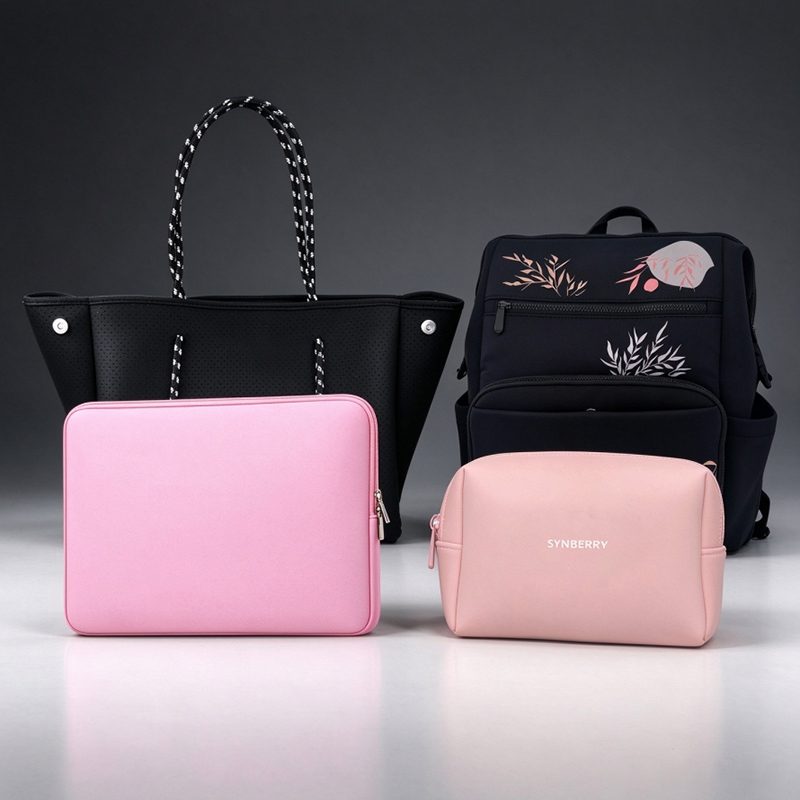
네, 특정 종류의 가방에는 완벽한 선택이지만 모든 종류에 적합한 것은 아닙니다. 네오프렌(학명: 클로로프렌 고무, CR)은 특정 유형의 가방에 매우 적합한 소재입니다. 부드럽고 방수 기능이 뛰어나며 충격 흡수력이 우수하고 성형성도 탁월합니다. 특히 비치백, 다이빙 장비 가방, 카메라 수납 가방, 짐 가방, 도시락 가방, 그리고 다양한 종류의 트렌디한 소프트 백에 적합합니다.제품에 "부드러움 + 방수성 + 보호 기능 + 접이식" 중 두 가지 이상의 특징이 필요하다면 네오프렌은 거의 이상적인 선택입니다. 하지만 구조적인 비즈니스 서류 가방, 가죽과 같은 질감을 추구하는 고급 핸드백, 또는 비용에 매우 민감한 대량 생산 제품을 디자인하는 경우에는 네오프렌이 최적의 솔루션이 아닐 수 있습니다.해당 소재가 "좋은" 소재인지 여부는 제품 포지셔닝, 목표 사용 시나리오 및 비용 구조에 따라 달라집니다. 다음 섹션에서는 소재의 기본 속성부터 시작하여 생산 고려 사항을 단계별로 살펴보면서 해당 소재가 제품에 적합한지 판단하는 데 도움을 드리겠습니다.목차:네오프렌이란 무엇인가요?네오프렌의 장점네오프렌의 단점네오프렌 소재를 사용하기에 적합한 가방 종류는 무엇인가요?네오프렌 가방 맞춤 제작을 위한 실용적인 권장 사항자주 묻는 질문결론 1. 네오프렌이란 무엇인가요?네오프렌(클로로프렌 고무, 약칭 CR)은 1930년대 미국 회사 듀폰에서 발명되었습니다. 원래 잠수복용으로 개발되었기 때문에 많은 사람들이 네오프렌을 "다이빙 소재"라는 용어로 처음 접하게 됩니다. 네오프렌의 과학적 명칭은 폴리클로로프렌 고무이며, 클로로프렌 단량체의 중합을 통해 생성되는 합성 고무의 일종입니다.가방 제조 산업에서 실제로 사용하는 소재는 순수한 고무 시트가 아니라 네오프렌 폼 복합 소재입니다. 이 소재는 네오프렌 폼 층과 나일론 또는 폴리에스터 직물을 접착하여 만든 다층 구조입니다. 일반적인 구조는 나일론/폴리에스터 직물로 된 외층, 네오프렌 폼 스폰지로 된 중간층, 그리고 선택적으로 안감 직물로 된 내층으로 구성됩니다. 발포 비율(예: 2mm, 3mm, 5mm 두께, 쇼어 경도와 밀도로 구분되는 부드러움과 단단함)은 최종 제품의 구조, 강성 및 쿠션 성능을 결정합니다.네오프렌의 "샌드위치 구조"를 이해하면 가방 소재로서 네오프렌의 모든 장점과 단점을 이해할 수 있습니다. 이는 이후의 모든 평가와 결정에 대한 논리적인 출발점입니다. 2. 네오프렌의 장점 2.1 탁월한 방수 및 방습성네오프렌 자체는 폐쇄형 셀 구조의 폼으로, 수분 흡수율이 매우 낮아 수증기가 거의 침투하지 못합니다. 이러한 특성 덕분에 다음과 같은 용도에 적합합니다.해변 가방/수영 가방: 젖은 수영복과 수건을 가방 안에 바로 넣어도 물이 겉면으로 스며들어 다른 소지품을 적시지 않습니다. 또한 곰팡이가 생길 가능성도 적습니다.보냉 가방/런치백: 네오프렌의 밀폐형 셀 구조 자체가 단열층 역할을 합니다. 여기에 알루미늄 호일 안감을 덧대면 내용물을 몇 시간 동안 시원하게 유지할 수 있어 유럽과 북미의 런치백 시장에서 널리 사용되는 소재입니다.야외 및 수상 스포츠 가방: 패들보드 가방, 캐녀닝 가방, 요트 장비 가방으로 적합합니다. 2.2 천연 쿠션 및 보호 기능폼 레이어는 내장형 충격 흡수 장치 역할을 합니다. 이것이 바로 네오프렌을 거의 모든 기존 가방 소재와 구별 짓는 핵심적인 장점입니다.카메라 가방/드론 가방/악기 가방: 3mm~5mm 네오프렌 소재는 정밀 장비를 낙하 및 충격으로부터 보호해 주므로, 진주솜이나 EVA 폼 안감을 추가로 사용할 필요가 없습니다.노트북 슬리브: 네오프렌 소재가 가장 널리 사용되는 시장 중 하나입니다. 이 소재는 가볍고 유연하면서도 떨어뜨렸을 때 충격을 흡수하는 능력이 뛰어납니다.와인병 가방: 1병용 및 2병용 네오프렌 와인 가방은 선물 시장에서 흔히 볼 수 있는 제품군입니다.동일한 수준의 보호 기능을 제공하기 위해 기존 직물은 추가적인 패딩과 쿠션을 필요로 하는데, 이는 부드러움과 경량성을 희생시키는 결과를 초래합니다. 2.3 부드러움과 접힘성네오프렌 소재의 백은 사용하지 않을 때는 접어서 보관할 수 있어 서랍이나 다른 가방에 쉽게 넣어둘 수 있습니다. 또한, 내용물을 채우면 신체 곡선에 맞춰 변형될 수 있어 다음과 같은 용도에 특히 적합합니다.헬스 가방/요가 가방: 부드러운 소재로 만들어져 헬스장 사물함에 쉽게 넣을 수 있습니다.여행용 정리 가방: 접어서 여행 가방에 보관할 수 있지만, 펼쳤을 때는 상당한 수납 공간을 제공합니다.기저귀 가방/아기 가방: 부드러운 소재의 가방은 아기에게 불편한 압박을 주지 않으며, 유모차 수납 바구니에도 쉽게 넣을 수 있습니다.이에 비해 캔버스나 가죽 가방은 종종 절충점을 찾아야 합니다. "부드러우면 형태 유지력이 부족하고, 뻣뻣하면 부피가 크고 무거워집니다." 네오프렌은 "부드러움"과 "형태 유지력" 사이에서 더 나은 균형을 이룹니다. 2.4 뛰어난 인쇄 및 디자인 활용성네오프렌 표면에 접착된 나일론/폴리에스터 혼방 직물은 탁월한 인쇄 소재입니다. 디지털 인쇄, 스크린 인쇄, 열전사 인쇄 모두 생생한 색상과 선명한 디테일을 구현하여 매우 우수한 결과를 제공합니다. 또한, 인쇄된 패턴은 소재가 늘어날 때 갈라질 가능성이 적습니다.또한, 가방 본체는 물결 모양 모서리, 대비되는 색상의 지퍼, 색상 블록 패널 등 다양한 특징으로 디자인할 수 있습니다. 최근 몇 년 동안 네오프렌은 트렌디한 패션 브랜드, IP 협업 컬렉션, 맞춤형 기업 선물 가방에 인기 있는 소재로 자리 잡았습니다.자크뮈스와 같은 디자이너 브랜드의 인기가 높아지면서 부드럽고 조각적인 형태의 네오프렌 소재 패션 가방이 주목받게 되었습니다. 2.5 유지 관리가 쉽고 얼룩에 강함네오프렌 폼 층은 액체 침투를 막는 장벽 역할을 합니다. 고밀도 방수 나일론이나 폴리에스터 원단처럼 가볍게 방수 기능이 있고 쉽게 닦을 수 있는 외부 원단과 접합하면 커피, 진흙, 땀 자국과 같은 일상적인 얼룩이 내부로 스며들 가능성이 줄어듭니다.대부분의 경우, 젖은 천에 순한 중성 세제를 소량 묻혀 부드럽게 닦아주기만 하면 표면을 깨끗한 상태로 복원할 수 있습니다. 캔버스처럼 자주 세척할 필요가 없으며, 가죽처럼 정기적인 관리가 필요한 번거로움도 피할 수 있습니다. 3. 네오프렌의 단점네오프렌은 범용 가방 원단이라기보다는 특정 용도에 맞게 설계된 소재입니다. 실용적인 문제를 해결할 때는 매우 뛰어난 성능을 발휘할 수 있습니다. 하지만 단순히 샘플의 촉감이 부드럽고 고급스럽다는 이유로 네오프렌을 선택하신다면, 샘플 제작 단계로 넘어가기 전에 제품의 전체 사양을 꼼꼼히 검토하는 것이 좋습니다.소재에 대한 합리적인 평가는 장점에만 초점을 맞춰서는 안 됩니다. 네오프렌의 단점 또한 그 구조에 의해 결정됩니다. 3.1 완성된 가방은 예상보다 무거울 수 있습니다.작은 네오프렌 조각 자체는 그다지 무겁게 느껴지지 않을 수 있습니다. 하지만 샌드위치 구조의 넓은 표면적에 지퍼, 웨빙, 금속 부품 등이 결합되면 전체 무게가 상당히 증가할 수 있습니다.일반적으로 사용되는 3mm 두께의 네오프렌 라미네이트 원단을 예로 들면, 단위 면적당 무게는 일반적인 210D 나일론이나 600D 옥스퍼드 원단보다 상당히 무겁습니다. 이는 특히 제품이 가벼워야 하거나 장시간 휴대해야 하는 경우 중요한 고려 사항이 됩니다. 3.2 제한된 통기성네오프렌의 핵심층은 폐쇄형 셀 구조의 폼으로 이루어져 있어, 밀도가 높은 물리적 특성으로 인해 습기 침투를 막을 뿐만 아니라 공기 순환도 효과적으로 차단합니다. 즉, 네오프렌 소재의 침낭은 통기성이 거의 없습니다.공기 순환이 가장 중요한 고려 사항일 경우, 일반적으로 네오프렌 소재는 선택하지 않습니다. 3.3 재봉에는 전문적인 기술이 필요합니다폼 소재 특유의 탄성 때문에 네오프렌은 재봉 과정에서 원단 이송 문제, 땀 빠짐, 주름 발생 등의 문제가 발생하기 쉽습니다. 따라서 땀 길이, 바늘 종류, 원단 이송 방식 등을 세심하게 조절해야 합니다. 두꺼운 소재는 모서리 부분에서 솔기가 터지기 쉬우므로 숙련된 재봉사가 필수적입니다.소규모 공장이 폼 소재 봉제 경험이 전혀 없는 경우 초기 불량률이 상대적으로 높을 수 있습니다.또한, 초음파 무봉제 용접은 네오프렌 소재의 방수 기능을 위해 바느질을 완전히 대체할 수는 없습니다. 고주파 용접도 하나의 방법이지만, 상당한 장비 투자가 필요합니다. 대부분의 제품은 기본적인 생활 방수 수준을 넘어서는 방수 기능을 확보하기 위해 여전히 방수 지퍼와 함께 사용해야 합니다. 3.4 주름 및 눌림 자국이 생기기 쉬움장기간 접어서 보관하거나 운송하는 경우, 네오프렌 폼 소재의 접힌 부분에 눌림 자국이 생겨 제품의 매끄러움과 전체적인 외관에 영향을 미칠 수 있습니다. 접히거나 압축된 상태로 제품을 받은 경우, 일반적으로 제품을 그대로 두어 소재가 자연스럽게 원래 형태로 복원될 수 있도록 해야 합니다.바로 사용할 수 있도록 편리하게 설계되었거나 고급 선물용으로 포지셔닝된 제품의 경우, 과도한 압축을 방지하기 위해 포장 디자인에 추가적인 지지 구조를 포함해야 합니다. 3.5 기존 직물보다 가격이 더 높음일반적인 3mm 네오프렌 라미네이트 폴리에스터 원단의 가격은 일반 600D 옥스포드 원단보다 약 3~5배 높습니다. 또한, 재단 과정에서 발생하는 폐기물이 많고(폼 소재의 탄성으로 인해 평직 원단보다 원단 배치가 덜 촘촘함), 봉제 효율도 떨어집니다. 결과적으로 전체적인 비용이 폴리에스터나 나일론 기반 제품보다 훨씬 높습니다.이러한 특성 때문에 네오프렌은 저가 대량 생산 제품에는 적합하지 않지만, 중상위 수익률을 목표로 하는 기능성 또는 디자인 지향적인 제품에는 더 적합합니다. 4. 네오프렌 소재에 적합한 가방 종류는 무엇인가요?앞의 두 절에서 논의한 장단점을 비교 검토함으로써 명확한 의사결정 틀을 마련할 수 있습니다.추천 제품 카테고리:카메라/드론/악기 슬리브 및 정리 가방: 충격 흡수와 보호가 최우선일 때 이상적입니다.노트북 슬리브: 이미 확립된 제품군으로 경쟁 구도가 잘 정립되어 있습니다.보온 도시락 가방/보냉 가방: 보온과 내용물 유출 방지가 모두 필요한 제품에 이상적입니다.와인병 보호백/컵 슬리브: 보호 기능과 선물용 매력을 동시에 갖춘 제품에 적합합니다.해변 가방/수영 가방/수상 스포츠 가방: 방수 기능이 가장 중요한 요구 사항인 용도에 이상적입니다.스포츠용 허리 가방: 부드러운 소재와 세척 용이성을 중시하는 제품에 적합합니다.기저귀 가방/화장품 가방: 부드러운 촉감, 얼룩 방지 및 방수 기능이 필요한 제품에 적합합니다.권장하지 않는 제품 카테고리:서류가방 및 구조화된 통근용 가방고급 핸드백에 필요한 프리미엄 가죽 질감저가형 및 중가형 대량 생산 가방: 비용 구조상 수익성이 없습니다.계절성이 강한 단기 상품 5. 네오프렌 가방 맞춤 제작을 위한 실용적인 권장 사항브랜드와 백팩 제조업체에게 소재 선택은 단지 첫 번째 단계일 뿐입니다. 실행 과정에서 관리해야 할 다섯 가지 핵심 요소가 있습니다. 5.1 두께 및 경도가방에 사용되는 네오프렌의 표준 두께는 일반적으로 2mm~5mm입니다. 내부 슬리브의 경우 2~3mm 두께면 충분합니다. 세워서 보관해야 하는 토트백의 경우 4~5mm 두께를 권장하며, 라미네이션을 통해 안감을 추가할 수도 있습니다.샘플링 과정에서 접은 후 재료의 복원력과 하중을 받았을 때 처짐 정도를 반드시 테스트하십시오. 이를 통해 두께가 가방의 구조 및 형태 유지에 대한 기대치와 일치하는지 확인할 수 있습니다. 5.2 라미네이션 품질3중 소재 구조(외피 + 폼층 + 안감)의 적층 품질은 제품의 수명을 좌우합니다. 적층 품질이 낮은 제품은 몇 달 사용 후 박리되거나 기포가 발생할 수 있는 반면, 고품질 적층 제품은 각 층이 단단하게 접착되어 손으로도 쉽게 분리되지 않습니다.따라서 유사한 제품 제조 경험이 풍부한 전문 가방 공장을 선택하는 것이 필수적입니다. 5.3 냄새 제어발포 및 라미네이션 공정 중 네오프렌은 불가피하게 일정량의 화학 냄새, 흔히 "고무 냄새" 또는 "접착제 냄새"라고 불리는 냄새를 함유할 수 있습니다. 환경 기준을 충족하는 소재는 환기를 통해 냄새가 점차 사라지지만, 포장을 개봉했을 때 불쾌한 냄새가 나면 특히 냄새에 민감한 소비자, 예를 들어 아기 용품을 구매하는 부모나 고가의 선물을 받는 사람들에게 부정적인 인상을 줄 수 있습니다.따라서 네오프렌 가방 OEM 생산 과정에서 다음과 같은 요소에 특히 주의를 기울입니다.재료 출처라미네이션 공정포장 조건출하 전 환기 시간 5.4 지퍼 선택 방수 수준을 결정합니다일반 나일론 지퍼는 생활 방수 제품 내부로 물이 스며들 수 있는 주요 경로 중 하나입니다. 더 높은 방수 성능이 요구되는 제품의 경우, 방수 또는 완전 방수 지퍼(예: YKK 방수 지퍼 시리즈)를 사용하거나 지퍼 안쪽에 방수 지퍼 덮개를 추가해야 합니다.방수 지퍼는 일반적으로 일반 지퍼보다 뻑뻑하고, 여닫을 때 저항이 더 크며, 가격도 더 비싸다는 점을 유의해야 합니다.제품이 전문 다이빙이나 극한의 야외 환경에 사용될 목적이 아니라면, 최고 수준의 방수 지퍼 성능을 맹목적으로 추구할 필요는 없습니다. 그렇게 하면 사용자 경험이 저하될 뿐 아니라 불필요하게 비용이 증가할 수 있습니다. 5.5 금속 하드웨어의 녹 방지 기능네오프렌 가방은 습기가 많은 환경에서 자주 사용되므로 금속 부속품은 녹 방지 기능이 뛰어나야 합니다. 실제로, 염수 분무 테스트 하드웨어의 내식성을 평가하는 데 사용할 수 있습니다. 두꺼운 전기 도금 코팅이 된 아연 합금 하드웨어 또는 스테인리스강 하드웨어를 우선적으로 고려해야 합니다.이는 해안 환경이나 땀에 노출될 경우 발생할 수 있는 급격한 산화 및 녹 발생을 방지하는 데 도움이 되며, 그렇지 않을 경우 제품의 전체적인 외관과 품질에 대한 인식을 저해할 수 있습니다. 6. 자주 묻는 질문 Q1: 네오프렌과 SBR의 차이점은 무엇인가요?CR(클로로프렌 고무/네오프렌)과 SBR(스티렌-부타디엔 고무)은 모두 합성 고무이며, 둘 다 외피 + 폼층 + 안감으로 구성된 "샌드위치" 구조로 만들 수 있습니다. 외관, 촉감, 두께까지 거의 동일하게 만들 수 있습니다. 그러나 네오프렌 가방 OEM 제조 경험을 바탕으로 두 소재 사이에는 두 가지 중요한 차이점이 있습니다.탄력성 및 형태 복원력: CR 소재는 탄력성이 뛰어나 접은 후 생긴 압축 자국이 빠르게 복원되어 장기간 사용 시 변형이 덜 발생합니다. 반면 SBR 소재는 탄력성이 상대적으로 약하여 반복적인 접힘이나 강한 압축 후 영구적인 주름이 생기거나 형태가 무너질 가능성이 높습니다.내구성과 내후성: CR은 SBR보다 내구성과 내후성이 뛰어나며, 자외선, 오존, 해수 부식에 대한 저항성이 훨씬 우수합니다. SBR은 직사광선이나 습한 환경에 장기간 노출될 경우 노화, 경화, 표면 분말화 현상이 발생하기 쉽습니다.다음 표는 두 재료의 고유한 성능 특성과 비용을 비교합니다.다음 표는 두 제품의 고유한 성능 특성과 비용을 비교합니다.비교 요소 CR(정품 네오프렌) SBR(스티렌-부타디엔 고무)내마모성 괜찮긴 하지만 SBR만큼 좋지는 않네요. 탁월한 성능; 높은 내마모성이 요구되는 가방에 일반적으로 사용됩니다.내열성 대략 -40°C ~ +120°C 대략 -20°C ~ +80°C내구성 훌륭합니다. 장기간 사용해도 가루가 되는 현상이 적습니다. 평균적인 품질이며, 야외에서 갈라지고 가루가 되기 쉽습니다.탄력성과 감촉 유연성과 뛰어난 회복력을 갖추고 있습니다. CR에 비해 상대적으로 회복력이 약함비용 높음; CR 비용은 SBR 비용의 약 두 배입니다. 하부; 시중에 판매되는 많은 "다이빙용 원단" 제품에 주로 사용되는 소재냄새 상대적으로 온화함 보통 더 눈에 띕니다.요약: SBR은 "네오프렌의 경제적인 대체재"입니다. 제품의 주요 장점이 부드러움, 쿠션감, 방수성, 얼룩 방지 기능(예: 비치백, 카메라 가방, 도시락 가방)이라면 SBR은 일반적으로 비용 효율적인 선택입니다. 그러나 "진정한 네오프렌 품질"을 강조하거나, 제품을 프리미엄 가격으로 포지셔닝하거나, 내열성, 주름 복원력, 내후성 등 고객의 높은 요구 사항을 충족하려는 경우에는 CR이 더 나은 선택일 수 있습니다. 가격 책정 전략을 세울 때 이러한 비용 차이도 고려해야 합니다. Q2: 네오프렌 소재의 가방은 세탁기로 세탁할 수 있나요?세탁기 사용은 권장하지 않습니다. 네오프렌 소재 자체는 세탁에 견딜 수 있지만, "샌드위치 구조"의 접착층과 봉제 부분은 세탁기의 강한 회전력과 원심력을 견디지 못합니다. 세탁기 사용 시 원단 박리, 기포 발생, 심지어는 돌이킬 수 없는 변형이나 부품 손상이 발생할 수 있습니다.올바른 세척 방법은 미지근한 물과 중성 세제를 사용하여 부드러운 천이나 스펀지로 얼룩진 부분을 살살 닦아내는 것입니다. 그런 다음 깨끗한 물로 세제 잔여물을 닦아내고 서늘하고 통풍이 잘 되는 곳에서 자연 건조시키십시오.직사광선과 고온 건조는 피하십시오. 열은 고무의 노화를 가속화하여 경화되거나 갈라지게 할 수 있습니다. 심한 냄새 제거 또는 꼼꼼한 세척이 필요한 경우 전문 드라이클리닝 업체에 맡기는 것을 고려해 보세요. 단, 소재의 특성을 미리 알려주어 강한 용제를 사용하지 않도록 주의해야 합니다. Q3: 네오프렌 가방은 다양한 모양으로 맞춤 제작이 가능한가요?네, 하지만 소재의 특성 때문에 가능성이 제한적입니다. 네오프렌은 어느 정도 유연성이 있어 금형을 이용한 열압착 방식으로 간단한 질감 패턴을 만들 수 있습니다. 하지만 EVA나 사출 성형 플라스틱과는 달리 복잡한 기하학적 구조나 날카로운 직각을 쉽게 구현하기는 어렵습니다.견고하고 단단한 외관이 요구되는 경우, 내부 보강재(예: PP 보드 또는 EVA 시트) 또는 더 두꺼운 폼 층(5mm 이상)이 일반적으로 필요합니다."부드러운 조형적 효과"를 목표로 하는 디자인의 경우, 단일 소재의 자연적인 구조적 지지력에 의존하기보다는 디자인 단계에서 공장과 시공 방식을 협의하고 다중 패널 구조 및 구조적 분할을 통해 원하는 형태를 구현하는 것을 권장합니다. 질문 4: 네오프렌 소재의 가방은 무거운가요?네오프렌 소재의 가방은 구매자들이 예상하는 것보다 무거울 수 있습니다. 특히 넓은 면적의 네오프렌 원단에 안감, 웨빙, 지퍼, 금속 부품 등이 결합된 경우 더욱 그렇습니다. 일반 폴리에스터나 나일론 소재의 가방보다 훨씬 무거울 수 있습니다. Q5: 네오프렌 가방은 환경 친화적인가요?이 질문은 여러 관점에서 다뤄야 합니다. 재료 자체로 보면, 클로로프렌 고무(CR)와 스티렌-부타디엔 고무(SBR)는 모두 자연적으로 생분해되기 어려운 합성 고무이며 생분해성 물질로 간주되지 않습니다. 그러나 실제 생산 및 사용 과정에서의 환경적 성능은 특정 제조 공정과 적용된 기준에 따라 달라집니다.첫 번째 고려 사항은 접착 및 라미네이션 공정입니다. 기존의 용제 기반 접착제는 휘발성 유기 화합물(VOC)을 함유할 수 있는데, 이는 강한 냄새를 유발할 뿐만 아니라 환경에도 해롭습니다. 오늘날 많은 중고급 공급망은 수성 접착제 또는 열용융 접착 라미네이션 공정으로 전환하여 유해 잔류 물질을 크게 줄이고 EU의 REACH 및 RoHS 요건과 같은 주요 환경 규정을 충족하고 있습니다. Q6: 가방 제작에 네오프렌이 나일론이나 폴리에스터보다 더 나은가요?꼭 그렇지는 않습니다. 극도로 가벼운 무게, 저렴한 가격, 그리고 뛰어난 통기성을 최우선으로 생각한다면 나일론이나 폴리에스터를 선택하세요. 하지만 방수성, 쿠션감, 부드러운 촉감, 또는 독특한 패션 감각을 원하고, 더 높은 가격과 무게를 감수할 수 있다면 네오프렌이 더 나은 선택일 수 있습니다.많은 고급 브랜드는 본체에는 네오프렌을 사용하고 주요 부위에 폴리에스터 또는 나일론 패널을 통합하여 두 소재의 장점을 결합하는 "하이브리드 전략"을 채택하기도 합니다. 7. 결론좋은 소재와 나쁜 소재를 절대적으로 구분하는 것은 없습니다. 중요한 것은 소재가 용도에 적합한지 여부입니다. 가방 제조업체와 브랜드의 경우, 제품 개발 단계에서 "용도 시나리오-기능-소재"라는 역순으로 접근하는 것이 가장 좋습니다. 네오프렌이 가장 뛰어난 성능을 발휘하는 곳에 사용하고, 제조 공정 및 품질 검사를 통해 한계를 보완해야 합니다. 올바르게 적용하면 네오프렌은 제품 라인에서 귀중한 자산이 되어 제품 차별화와 수익 증대에 상당한 잠재력을 제공할 수 있습니다.SYNBERRY BAG은 30년 이상의 가방 OEM/ODM 제조 경험을 보유하고 있으며, 다양한 소재에 걸쳐 첨단 소재 가공 및 정밀 제조 기술을 전문으로 합니다. 당사는 네오프렌 소재의 라미네이션, 봉제 및 품질 관리에 대한 특수한 요구 사항을 이해하고 있으며, 소재 선정부터 완제품 납품까지 전 과정에 걸쳐 전문적인 지원을 제공합니다.기능성 보호 슬리브를 개발하든, 현대적인 패션 감각을 보여주는 디자이너 핸드백을 개발하든, SYNBERRY BAG은 브랜드가 창의적인 콘셉트를 정밀하게 완제품으로 구현할 수 있도록 지원합니다. 성능, 비용, 미학의 균형을 맞춰 시장의 검증을 거친 고품질 제품을 만들 수 있도록 도와드립니다. 작가
더 보기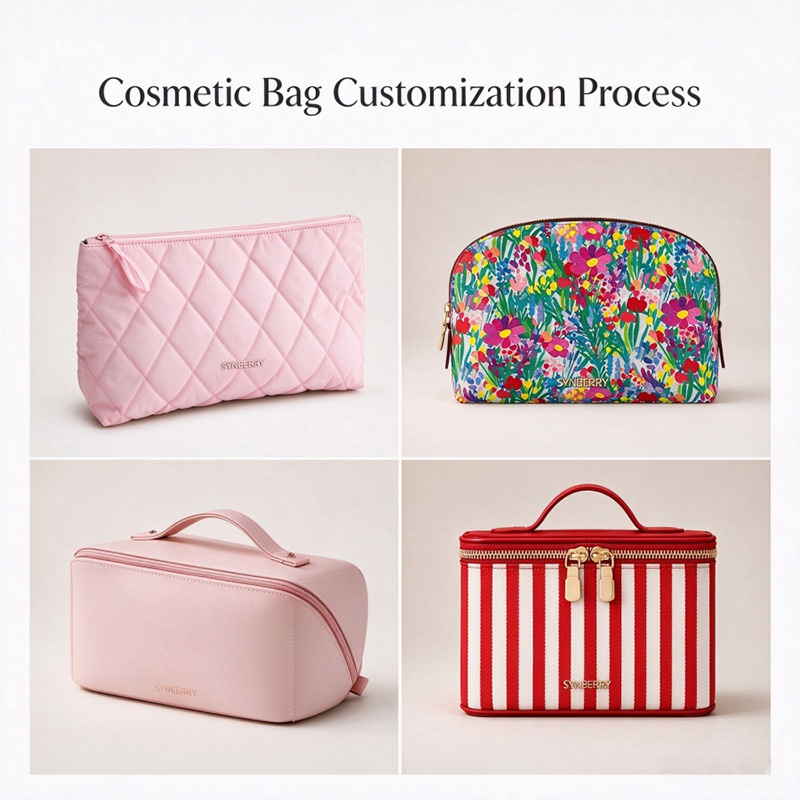
화장품 파우치 맞춤 제작을 계획 중이지만 어디서부터 시작해야 할지 모르시겠나요? 이 글에서는 OEM 화장품 파우치 제조 공장의 풍부한 경험을 바탕으로 소재, 크기, 인쇄 기술, 규정 준수 및 품질 검사, 최소 주문 수량(MOQ) 등 주요 사항에 대한 자주 묻는 질문에 답변합니다. 이를 통해 공급망 파트너와 더욱 효율적으로 소통하고 제품 맞춤 제작을 손쉽게 완료할 수 있습니다. Q1: 화장품 파우치에 일반적으로 사용되는 재료는 무엇이며, 각각의 장점과 단점은 무엇인가요?재료장점단점적합한 용도나일론(210D/420D)가볍고 내마모성이 뛰어납니다.일반적인 질감과 외관판촉용 사은품, 여행용 소형 제품 키트폴리에스터/옥스포드 원단생생한 색상과 간편한 인쇄일반적인 질감과 외관젊은 소비자를 겨냥하는 브랜드인조가죽고급스러운 외관과 질감, 방수 기능더 높은 비용중고가 브랜드PVC/EVA완전 투명하고 방수 기능이 있으며 세척이 간편합니다.환경에 덜 친화적공항 규정에 맞는 투명 가방, 보관 가방캔버스/면-린넨 혼방 원단친환경적이며 복잡한 패턴 인쇄에 적합합니다.방수 기능이 없고 얼룩이 생기기 쉽습니다.친환경 브랜드, 선물용품메쉬 원단 조합통기성이 좋고 가볍습니다.제한된 하중 지지 능력세면도구 가방, 스포츠 관련 용도Q2: 화장품 파우치 원단은 방수 기능이 있어야 하나요?최소한 발수 처리를 하시는 것을 권장합니다. 화장품 액체 유출은 사용 중 가장 흔한 사고 중 하나이며, 발수 코팅 처리된 원단은 가방 안의 내용물을 효과적으로 보호해 줍니다. Q3: 화장품 파우치 안감에 가장 적합한 소재는 무엇인가요?일반적으로 210D 폴리에스터 안감 원단이나 세척이 용이한 PVC/PU 코팅 원단이 사용됩니다. 제품이 "방수"되도록 설계된 경우, 가방 전체에 TPU 방수 안감을 사용하고 바늘 없는 봉제 또는 고주파 열접착 기술을 적용하는 것이 좋습니다. 질문 4: 화장품 파우치의 일반적인 크기는 어떻게 되나요?미니 사이즈: 15 × 10 × 5cm, 립스틱 파우치나 수정 화장 파우치로 적합합니다.표준 사이즈: 20 × 12 × 8cm, 매일 사용하는 스킨케어 제품을 보관하기에 적합합니다 (가장 인기 있는 사이즈).넉넉한 수납 공간: 25 × 15 × 10cm로 여행 필수품 세트를 모두 담기에 적합합니다.접이식/걸이형: 펼쳐서 욕실에 걸어둘 수 있어 여행에 적합합니다.Q5: 화장품 파우치 크기를 맞춤 제작할 수 있나요?네. 고객께서 제공해주시는 실물 샘플이나 기술 도면을 바탕으로 샘플 제작을 지원합니다. 권장 사항: 첫 주문 시에는 대량 생산 전에 샘플 승인을 통해 용량과 비율을 확인하여 대량 주문 시 치수 오차 발생을 방지하시기 바랍니다. Q6: 화장품 파우치 크기를 지정할 때 자주 간과되는 세부 사항은 무엇입니까?두께(측면 너비). 많은 고객들이 길이와 너비만 지정하여 대량 생산되는 봉투가 병이나 항아리를 넣기에는 너무 납작해지는 경우가 있습니다. 일반적인 병과 항아리의 지름은 약 5~7cm이므로 측면 너비는 최소 5cm로 하는 것을 권장합니다. Q7: 화장품 파우치에 로고를 적용하는 데 사용할 수 있는 기술에는 어떤 것들이 있나요?기술특징적합한 재료스크린 인쇄(실크스크린 인쇄)심플한 로고, 생생한 색상, 저렴한 단가에 이상적입니다.폴리에스터, 나일론, 캔버스열전사 인쇄그라데이션 색상 및 사진 품질 그래픽을 지원합니다.폴리에스터, 나일론, 캔버스자수고급스러운 질감과 뛰어난 내구성폴리에스터, 나일론, 캔버스PU 엠보싱/포일 스탬핑고급스러운 분위기를 연출합니다PU 가죽금속 로고 플레이트고급스러운 분위기를 연출합니다대부분의 직물직조 라벨상대적으로 저렴한 비용대부분의 직물PVC 고무 라벨상대적으로 저렴한 가격에 캐주얼한 스타일폴리에스터, 나일론, 캔버스 Q8: 로고를 부착하는 기술 중 어떤 기술이 가장 내구성이 뛰어나고 벗겨지거나 변색될 가능성이 가장 적습니까?폴리우레탄(PU) 소재에 자수나 고주파 엠보싱 처리를 하면 최고의 내구성을 얻을 수 있습니다. 스크린 인쇄는 일반적인 사용 환경에서 수년간 지속될 수 있지만, 강한 마찰이나 알코올로 닦는 것은 피해야 합니다. Q9: 화장품 파우치 인쇄에 색상 제한이 있나요?스크린 인쇄의 경우, 색상이 추가될 때마다 추가적인 생산 공정과 스크린 제작 비용이 발생합니다. 디자인에 4가지 이상의 색상이 사용되는 경우, 전체적인 비용 측면에서 열전사 인쇄 또는 디지털 인쇄로 전환하는 것을 권장합니다. Q10: 화장품 파우치에서 가장 인기 있는 색상은 무엇인가요?검정, 흰색, 회색, 베이지색과 같은 중성 색상은 활용도가 가장 높으며 재구매율이 높은 경향이 있습니다. 젊은층을 타겟으로 할 경우, 은은한 핑크, 블루, 그린 계열 색상도 인기가 많습니다. 최신 팬톤 트렌드 색상을 참고하거나 경쟁사 제품의 이미지를 제공해 주시면 색상 매칭 및 샘플 승인을 도와드리겠습니다. Q11: 화장품 파우치 포장은 맞춤 제작이 가능한가요?네. 저희는 비닐봉투, 컬러 박스, 더스트백, 행택, 바코드 등 다양한 포장 옵션을 제공합니다. 이 모든 것에 브랜드 정보를 넣어 맞춤 제작할 수 있습니다. Q12: 유럽과 미국으로 수출되는 화장품 파우치에 적용되는 규정 준수 요건은 무엇입니까?유럽 연합: REACH 규정(화학 물질). 제품이 어린이 시장을 대상으로 하는 경우, EN 71 요구 사항도 고려해야 합니다.미국: 캘리포니아 주 법률 제65호. 일반적인 시험 항목: 아조 염료, 포름알데히드, 중금속 및 프탈레이트(특히 PVC 소재에 중요). Q13: 적합한 화장품 가방 제조업체를 어떻게 찾을 수 있나요?공장의 역량을 평가할 때는 다음 네 가지 핵심 영역을 고려하는 것이 좋습니다.산업 및 제품 전문성: 이전 프로젝트에 유사한 재료 또는 제조 기술이 사용되었는지 확인하십시오.응답 속도 및 소통 효율성: 공장이 고객의 요구 사항을 신속하게 이해하고 전문적인 제안을 제공할 수 있는지 여부를 판단하십시오.인증 및 규정 준수: 수출에 필요한 공장 감사 보고서 또는 환경 인증서를 보유하고 있는지 확인하십시오.품질 관리 절차: 공장이 입고 자재 검사, 공정 중 검사, 완제품 샘플링 검사 및 최종 출하 전 검사를 포함한 포괄적인 품질 관리 프로세스를 갖추고 있는지 확인하여 모든 제품 배치가 합의된 기준을 충족하는지 확인합니다. Q14: 출하 전 어떤 품질 검사 기준이 사용됩니까?당사는 AQL(허용 품질 한계) 샘플링 검사 기준을 준수하며, 일반적으로 AQL 레벨 1.5/4.0을 사용합니다. 주요 검사 항목은 다음과 같습니다.봉제 강도지퍼의 부드러움로고 접착력 및 내구성치수 허용 오차(±0.5cm)외관상의 결함 Q15: 맞춤형 화장품 가방의 최소 주문 수량(MOQ)은 얼마인가요?기본 원단 + 스크린 인쇄 로고: 500~1,000개부터 주문 가능.맞춤형 원단/특수 제조 기술: 최소 1,000개부터 주문 가능.재고 원단 및 간단한 제조 기술: 일부 스타일은 300~500개 수량으로 협의 가능할 수 있습니다. 최소 주문 수량(MOQ)은 주로 원단 조달 요구 사항과 인쇄 스크린 비용이 주문 전체에 어떻게 배분되는지에 따라 달라집니다. Q16: 화장품 파우치 샘플 제작에는 얼마나 걸리나요? 샘플 비용이 있나요?일반적인 샘플링은 보통 5~7일이 소요됩니다. 샘플 비용은 사용되는 제조 기술의 복잡성에 따라 달라집니다. Q17: 대량 생산에 필요한 리드 타임은 얼마나 되나요?샘플 승인 후, 원단 조달, 제조, 품질 검사 및 포장을 포함한 대량 생산은 일반적으로 25~35일이 소요됩니다. 성수기(9월~12월)에는 추가로 1주일 정도 더 소요될 수 있습니다. 질문 18: 지불 조건은 무엇입니까?표준 결제 조건은 계약금 30%이며, 나머지 70%는 선적 전에 지불해야 합니다. 잔금은 검수 후 지불 가능합니다. Q19: 맞춤형 화장품 가방 견적을 빠르게 받으려면 어떤 정보를 제공해야 하나요?다음 정보를 미리 준비하시기를 권장합니다.디자인 시안 또는 참고 이미지: 원하는 스타일과 구조적 디자인을 명확하게 표시해 주세요.특정 재료 또는 질감 요구 사항: 선호하는 원단 또는 원하는 촉감을 명시하십시오.로고 파일 및 선호하는 적용 방법: 로고 이미지를 제공하고 선호하는 로고 적용 방법을 명시해 주십시오.예상 주문 수량: 예상 수량을 기재해 주십시오. 제공해 주시는 정보가 자세할수록 견적이 더욱 정확해져 반복적인 연락에 따른 시간과 비용을 절감할 수 있습니다. Q20: 대량 생산 전에 샘플을 다시 한번 확인하나요?네. 대량 생산에 들어가기 전에 고객의 최종 승인을 위해 사전 제작 샘플(PP 샘플)을 제공합니다. 이는 대량 생산에 사용되는 색상, 재료 및 제조 기술이 고객의 기대에 부합하는지 확인하는 데 매우 중요한 단계입니다. 샘플을 꼼꼼히 확인하시고 모든 사항이 확인되면 서명해 주시기 바랍니다. 승인 및 날인된 샘플은 향후 제품 검사의 기준이 됩니다. 결론맞춤형 화장품 파우치는 단순한 제조품 그 이상입니다. 브랜드의 철학과 정체성을 담아내는 중요한 요소입니다. 소재 선정부터 제조 기술에 이르기까지 모든 단계가 최종 사용자의 경험과 브랜드 이미지에 직접적인 영향을 미칩니다. 이 FAQ를 통해 맞춤 제작 화장품 파우치의 주요 고려 사항을 명확히 이해하고, 더욱 현명한 결정을 내리실 수 있기를 바랍니다. 추가적인 맞춤 제작 요구사항이나 구체적인 문의 사항이 있으시면 언제든지 저희 전문팀에 연락해 주십시오. 화장품 파우치 전문 제조 업체로서, 저희는 고객 한 분 한 분께 맞춤형 솔루션을 제공하고 미적 감각과 실용성을 겸비한 고품질 제품을 제작하실 수 있도록 최선을 다하고 있습니다. 작가
더 보기계속 읽어보시고, 계속해서 소식을 받아보시고, 구독하세요. 귀하의 생각을 알려주시면 감사하겠습니다.




저작권
@2024 Synberry Bag & Package Products Co.,Ltd 모든 권리 보유
.
 네트워크 지원
사이트맵 / 블로그 / Xml / 개인 정보 보호 정책