기치
블로그

6 Hidden Costs in Custom Bag Sourcing

블로그

6 Hidden Costs in Custom Bag Sourcing

June 10, 2026

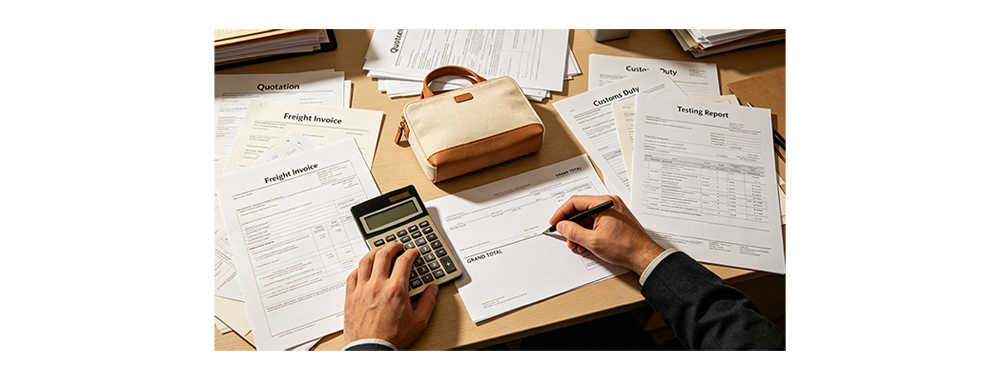
The quoted price per unit is never the total cost of ownership.

If you source custom bags for retail, commercial campaigns, or corporate gifting, you have likely experienced this: the unit price looked competitive, but by the time the goods landed in your warehouse, your margin had vanished.

After 30+ years in OEM/ODM bag manufacturing, we’ve seen how "hidden costs" erode budgets and damage buyer-supplier relationships. Here are the six most common traps—and how to avoid them.

total cost of ownership


1. Sample Iteration Costs: The "Death by a Thousand Revisions"

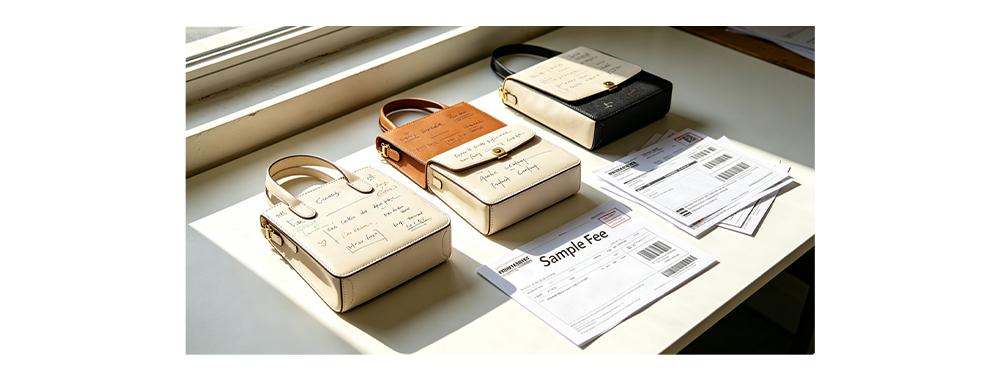
Most buyers budget for one or two prototypes. In reality, achieving the right shape, material hand-feel, color match, and functionality often takes 3–5 rounds—sometimes more for complex constructions like molded backpacks or multi-compartment travel bags.

The hidden cost: 

Each time sample modification carries below costs:

    • Sample labor and material charges
    • Shipping costs (international couriers such as FedEx, UPS, DHL)
    • Internal design time and opportunity cost
    • Delayed market entry

How to avoid it: 

Before committing to sampling, invest time in thorough alignment with your bag manufacturer on materials, workmanship, structure, and quality requirements. The goal is to realize your design intent as closely as possible in the very first sample, keeping any subsequent revisions to minor details only. Should you have concerns about materials or colors, confirm fabric swatches or color cards before sampling begins. With this preparatory work done properly, you can typically reduce sample rounds by up to 60%.

bag sample


2. Material MOQ & Dead Stock Liability

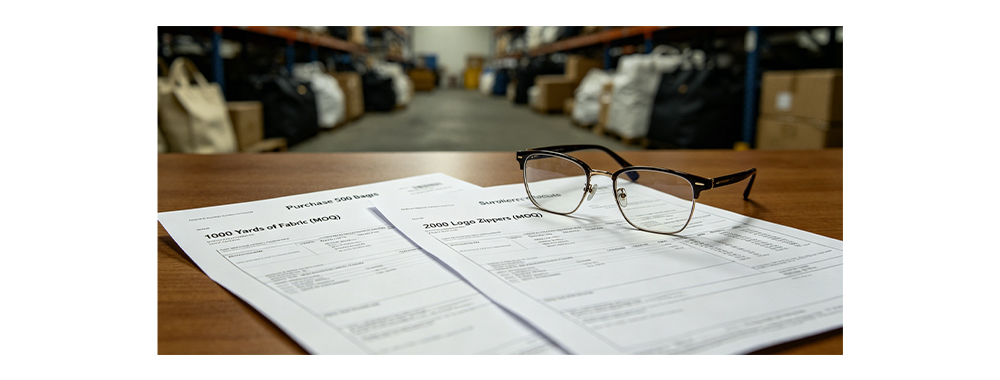
You need 500 bags, but your supplier’s leather vendor requires a 600yards minimum. Your lining fabric MOQ is 1,000 yards. Your custom zipper puller requires a 2,000-piece per mold.

The hidden cost: You either absorb the excess material cost into your 500-unit order (inflating unit cost by 20–40%), or you pay for dead stock that sits in the factory’s warehouse.

How to avoid it: Choose a manufacturer with consolidated material purchasing power and established vendor relationships. Bag manufacturer’s volume across multiple clients allows them to get lower material MOQ sometime or just to pay a small dyeing fee for requested colors and absorb regularly used material into their inventory pool, reducing your exposure.

 Material MOQ & Dead Stock Liability


3. Tooling, Dies, and Mold Amortization

Custom bags often require:

    • Die-cutting dies for unique panel shapes
    • Embossing plates for logos
    • Woven webbing with customized logos
    • Metal patch with customized logo
    • Injection molds for custom buckles 
    • Metal molds for customized zipper pullers

The hidden cost: Many factories’ quotes did not show tooling or only indicate after unit price confirmed and PO placed. 

How to avoid it: Clarify tooling fee upfront, ask if product unit price including amortization of tooling, if not ask supplier to list for molding and plates fee at initial quotation stage when customized logos exist.

Tooling, Dies, and Mold Amortization


4. Product Compliance

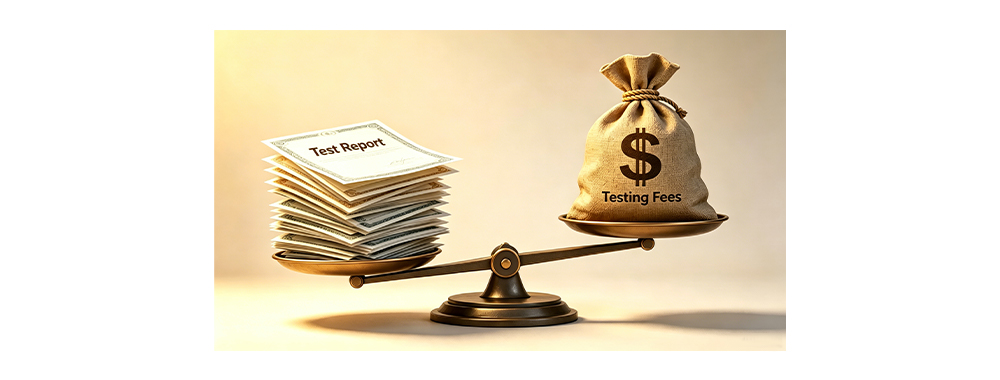
At manufacturing side, when they confirm products can be compliance with REACH, CPSC, CA Prop 65, it doesn’t naturally mean that they would provide testing report. In fact, unless brands required beforehand, manufacturers normally do not consider product testing fee into product quotation, testing is either done by clients or suppliers send samples to third party labs but testing bill is paid by buyers. 

How to avoid it: Partner with a manufacturer that understands destination-market compliance before production begins, clarify which party will be taking care of testing and testing bills. 

Product Compliance


5. Shipping Terms and Logistics

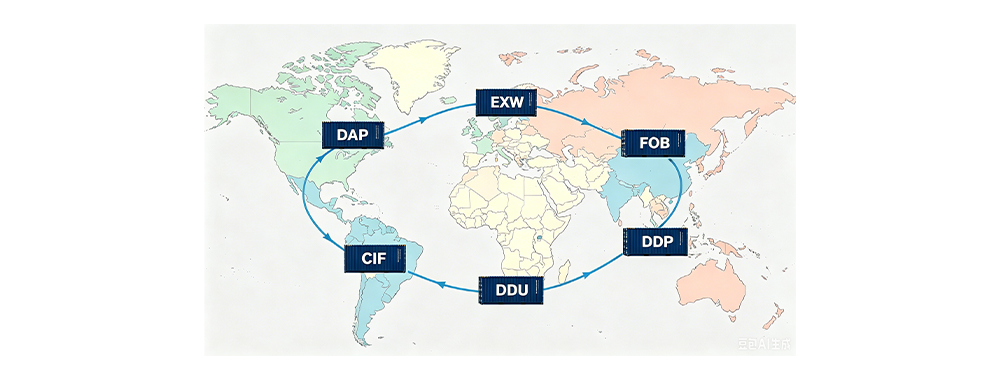
Different shipment terms can generate unexpected costs that may not be immediately apparent.

EXW — Ex Works

Definition: The seller completes delivery by making the goods available at their premises (factory, warehouse, or workshop). From that point onward, the buyer assumes all costs and risks. The buyer must independently coordinate with freight forwarders, customs brokers, and transport carriers, resulting in substantial time investment and coordination overhead.

FOB — Free On Board

The seller delivers the goods to the designated port of shipment and loads them onto the vessel nominated by the buyer. Risk and all subsequent transportation costs transfer to the buyer once the goods cross the ship's rail (or are loaded on board).

Under FOB terms, the buyer typically arranges the vessel booking. If supplier delays necessitate rebooking or cause container detention, associated demurrage and detention charges are for the buyer's account.

CIF — Cost, Insurance and Freight

Definition: The seller charters the vessel, pays freight to the destination port, and arranges marine insurance with minimum coverage. However, risk transfers to the buyer the moment the goods are loaded aboard the vessel at the port of shipment.

DDU — Delivered Duty Unpaid

Definition: The seller transports the goods to the buyer's specified destination (e.g., warehouse), but does not handle import customs clearance or duty payment. The buyer is responsible for import clearance and all applicable taxes. As DDU/DAP excludes customs duties, buyers unfamiliar with HS code classification may encounter unexpectedly high tariffs or inspection costs.

DDP — Delivered Duty Paid

Definition: The seller assumes all costs and risks to deliver the goods to the buyer's designated location, including export clearance, international freight, import clearance, and all customs duties and taxes. Should the supplier under-declare values or misclassify HS codes to minimize duties, the buyer—as the legal importer—may face tax retroactive assessments and compliance risks.

Shipping Terms and Logistics


6. Rework, Recall, and Reputation Damage

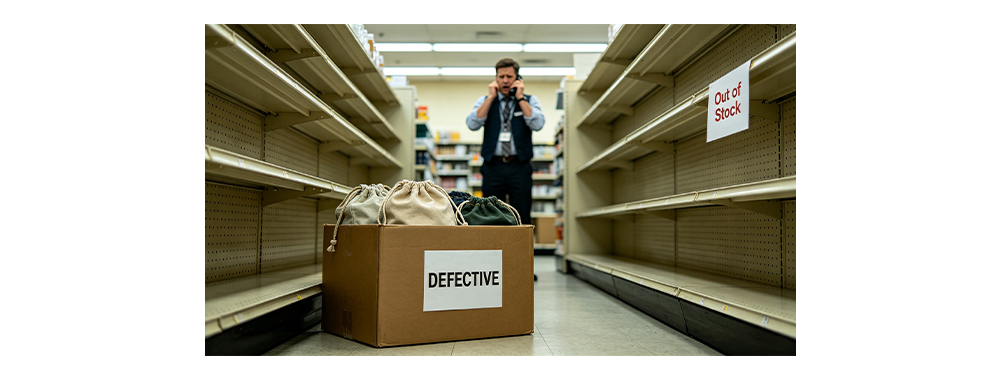
This is the cost no one puts in the RFQ, but it is the most expensive.

If your bulk order arrives with color discrepancies, zipper failures, or incorrect logo placement, your options are limited:

    • Ship anyway and damage your brand reputation
    • Rework locally at 3–5 times of the manufacturing cost
    • Return to factory (expensive, slow, and sometime logistically impossible)
    • Scrap and reproduce (catastrophic for timelines and budgets)

The hidden cost: Beyond the direct financial hit, there is the cost of lost shelf space, disappointed clients, and damaged supplier trust.

How to avoid it: Invest in prevention, not correction. Therefore, find with the right bag manufacturer is the most important decision before you move for your project. Then a multi-stage QC system—including material incoming inspection, in-line process verifications along each procedure, and pre-shipment 100% AQL inspection —is designed to catch defects before they leave the factory floor. 

Rework, Recall, and Reputation Damage

The Real Math: Total Cost of Ownership 

Cost Category

Typical "Hidden" Impact

Ideal Approach

Sample iterations

$500–$2,000 + lost time

Structured development, fewer rounds

Material MOQ surplus

20–40% unit cost inflation

Pooled purchasing, lower MOQs

Tooling amortization

Hidden in unit price

Transparently shared

Compliance & logistics

$0.50–$2.00 per unit surprise

Pre-planned, destination-ready

Rework / recall

Potentially catastrophic

Multi-stage QC, prevention-first

Total Cost of Ownership


Final Thought

The lowest unit price often carries the highest total cost. Smart B2B buyers evaluate suppliers on landed cost predictability and risk mitigation, not just the number on the quotation sheet.

At SYNBERRY, we believe transparency is a competitive advantage. Every quotation we issue include clear breakdown of molding, product unit cost, logistic options—so you can plan accurately and protect your margin.


Don’t let hidden costs eat your margin.

Request a transparent TCO quote for your next custom bag project. We’ll map out the full cost picture before you commit to production.

  Author  


문의하기
주소 : Unit 905, Block B, Jinri Building, No. 88 Anling Second Road, Huli District, Xiamen, Fujian, China
연락하기

계속 읽어보시고, 계속해서 소식을 받아보시고, 구독하세요. 귀하의 생각을 알려주시면 감사하겠습니다.

Linkedin WhatsApp Facebook instagram

저작권 @2024 Synberry Bag & Package Products Co.,Ltd 모든 권리 보유 . 네트워크 지원

사이트맵 / 블로그 / Xml / 개인 정보 보호 정책

메시지를 남겨주세요

메시지를 남겨주세요
우리의 전문 지식이 어떻게 최고 품질의 매력적인 제품을 제공할 수 있는지 논의하게 되어 기쁩니다. 여기에서 대화를 시작하세요. 연결하고 창조해 봅시다!
제출하다

제품

왓츠앱

문의하기