
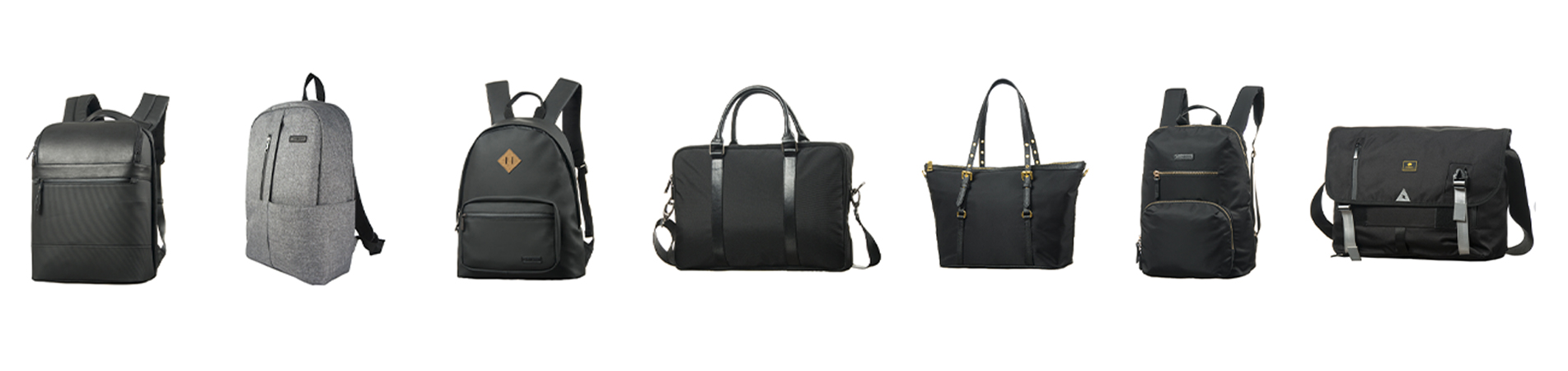
많은 B2B 구매자들은 가방을 맞춤 제작할 때 겉감에만 집중하고 안감 선택을 간과하는 경우가 많습니다. 안감은 가방 내부의 느낌과 미적인 측면뿐만 아니라 제품의 내구성, 기능성, 그리고 전반적인 품질에 간접적으로 영향을 미칩니다.
전문 가방 제조업체로서, 본 글에서는 트윌 나일론, 피치 스킨, 샨퉁, 스웨이드, 린넨 등 업계 표준 소재를 포함하여 가방에 적합한 16가지 안감 소재를 체계적으로 소개합니다. 이 가이드는 B2B 구매자들이 제품 포지셔닝, 예산, 기능적 요구 사항을 고려하여 최적의 선택을 할 수 있도록 도와줄 것입니다.
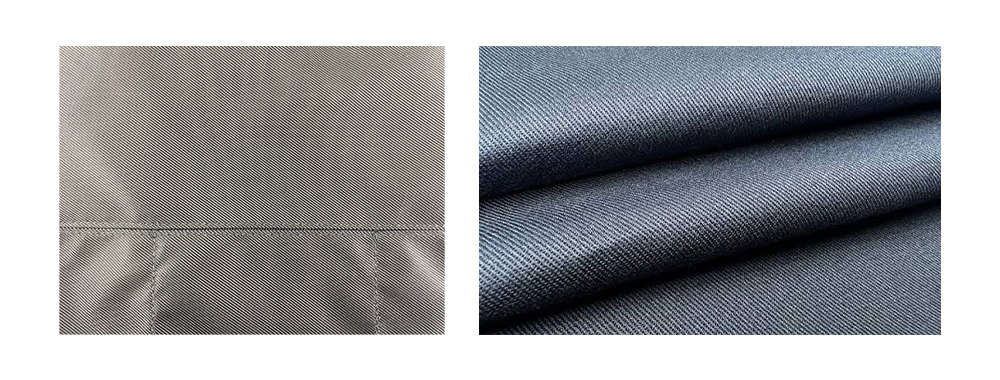
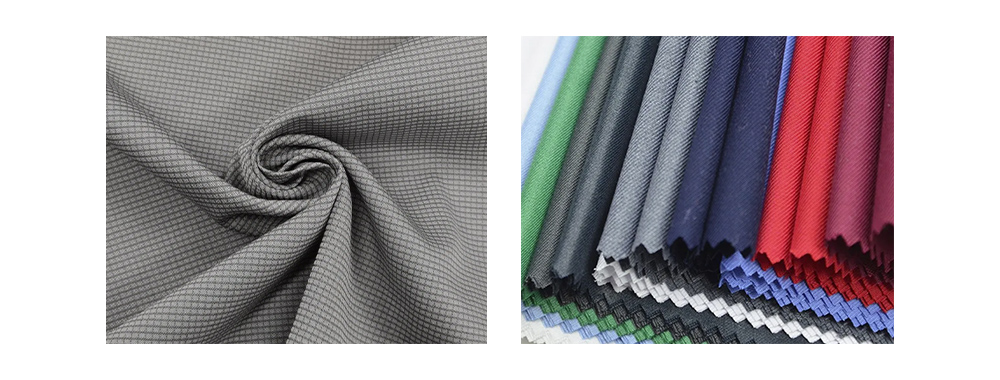
형질사선 직조 패턴이 특징이며, 평직보다 부드러운 촉감과 은은한 광택, 절제된 고급스러움을 선사합니다.
장점내마모성, 내찢김성이 뛰어나고 촉감이 부드럽습니다.
공통 사양: 210D, 420D 트윌 나일론
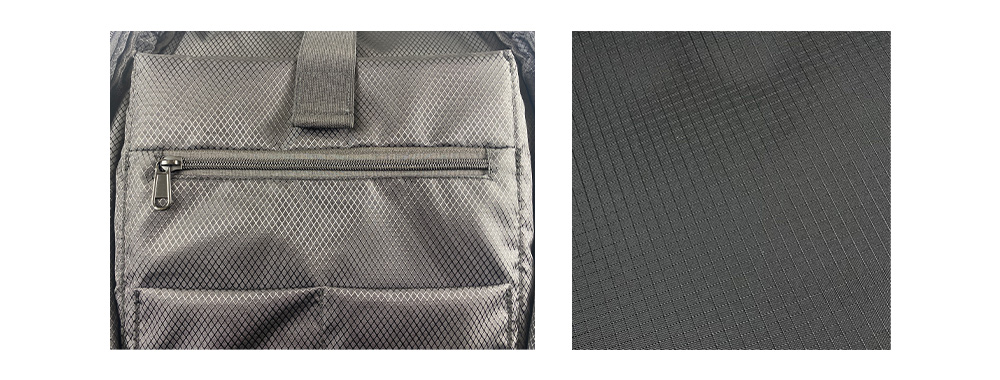
형질보강사는 날실과 씨실 방향 모두에 직조되어 격자 또는 빗살무늬 패턴을 형성합니다.
장점뛰어난 인열 저항성; 손상되더라도 찢어짐이 쉽게 확산되지 않습니다.
공통 사양: 210D, 420D 립스톱 나일론
형질평직 구조, 매끄러운 표면과 밝은 광택
장점주름 방지
공통 사양: 190T, 210T, 230T, 290T
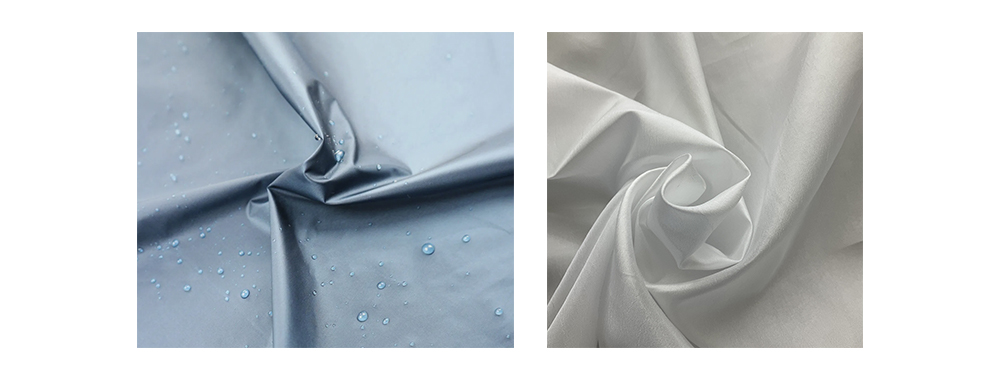
형질: 평직 구조로 나일론 태피터보다 광택이 덜하며, 문지르면 은은한 "바스락" 소리가 납니다.
단점: 주름이 잘 생기는 편
공통 사양: 170T, 190T, 210T, 230T, 240T, 290T
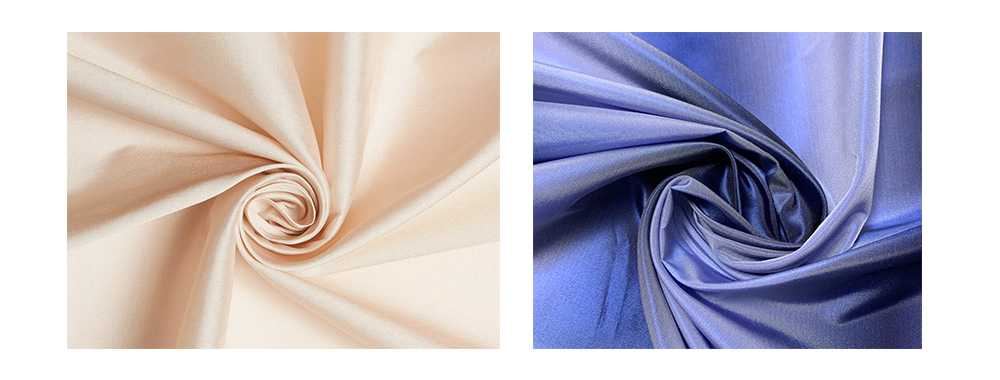
형질: 능직 구조와 은은한 광택을 지닌 일반 태피터에서 변형된 원단입니다.
장점: 더욱 부드러운 촉감, 뛰어난 드레이핑, 향상된 품질감
공통 사양: 210T, 230T 폴리에스터 트윌 태피터
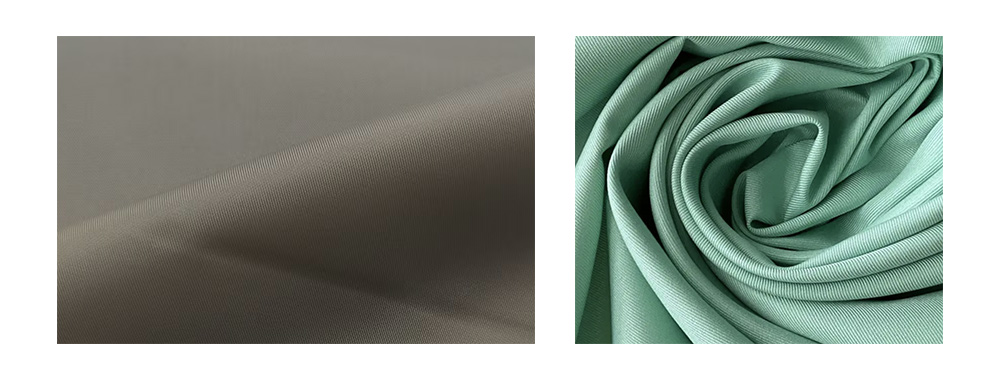
형질폴리에스터 DTY 텍스처 원사로 직조되어 평평하고 매끄러운 무광택 표면을 가지고 있습니다.
장점부드럽고 매끄러운 촉감, 뛰어난 통기성, 태피터보다 더 부드러움
공통 사양: 190T, 210T, 240T, 300T
타프타와의 차이점: 폰지는 부드럽고 무광택이며 약간의 탄력이 있고, 태피터는 더 뻣뻣하고 광택이 있다.
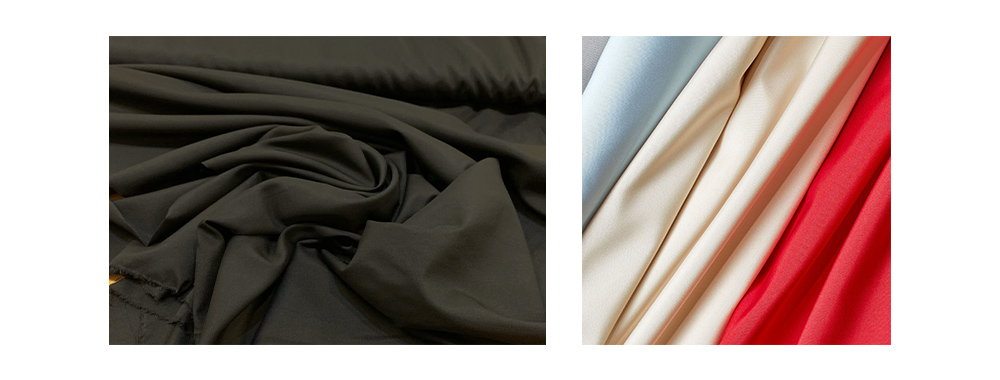
형질초극세 섬유로 직조하고, 표면에 약 0.2mm 길이의 짧은 파일이 생기도록 브러싱 처리했습니다.
장점섬세하고 부드러운 촉감, 편안한 스웨이드 같은 질감, 우아한 외관, 따뜻한 감촉
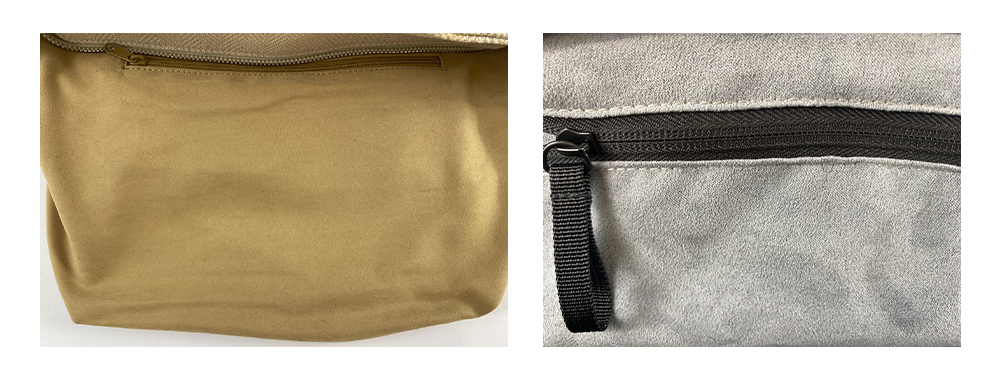
형질전통적으로는 실크 원단을 사용했지만, 가방 제조에는 일반적으로 표면에 약간의 슬럽 질감이 있는 폴리에스터 모조 실크를 사용합니다.
장점천연 실크 샨퉁은 고급스러운 품질, 자연스러운 광택, 부드러운 촉감을 제공합니다. 폴리에스터 샨퉁은 무광택 표면에 약간 건조한 느낌이 있습니다.
메모진짜 샨퉁 실크는 가격이 비싸서 일반적으로 가방 안감으로 사용되지 않습니다.
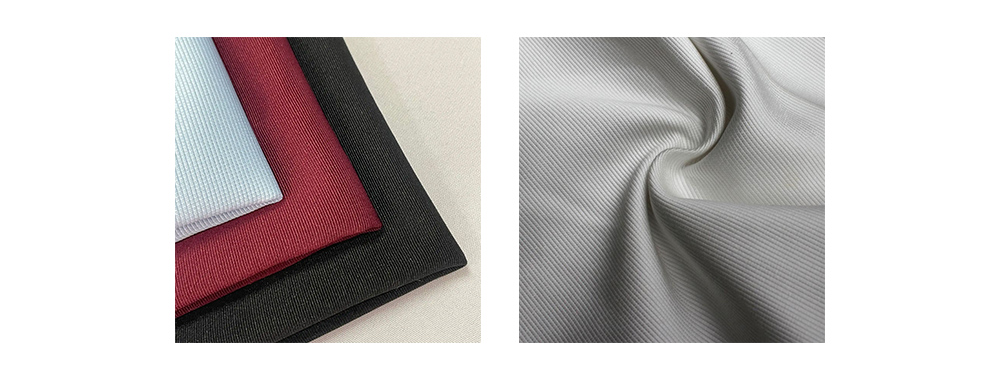
형질: 새틴 직조 구조, 높은 표면 광택, 부드러운 촉감
장점: 고급스러운 외관과 부드러운 촉감으로 제품의 품질을 향상시킵니다.
메모: 평균적인 내마모성을 가지며, 마찰이 심한 환경에는 적합하지 않습니다.
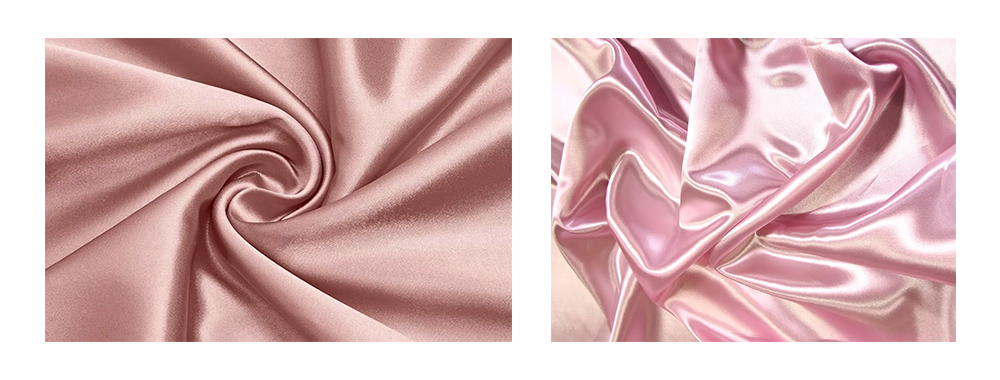
형질: 통기성이 뛰어난 메쉬 구조
장점: 가볍고 통기성이 좋으며 내부 물품을 쉽게 확인할 수 있습니다.
메모: 일반적으로 주요 구조적 안감으로는 사용되지 않고, 내부 주머니나 칸막이로 더 많이 사용됩니다.
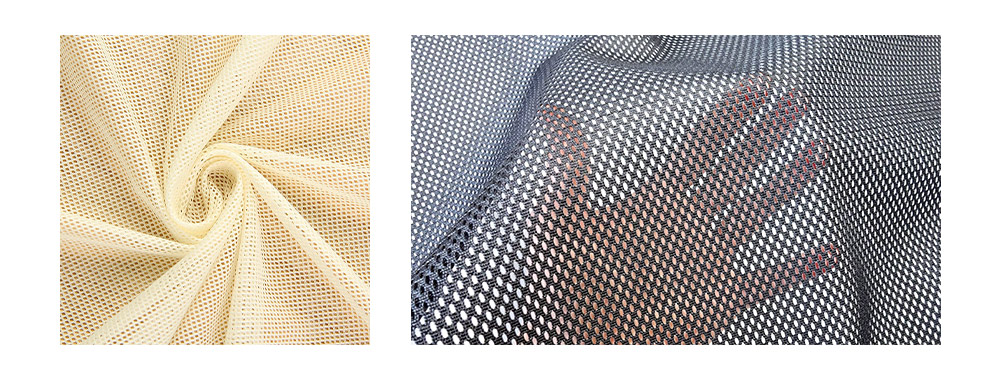
형질: 천연 섬유 소재로 수분 흡수력과 통기성이 뛰어납니다.
장점: 친환경적이고, 피부에 자극이 없으며, 정전기가 발생하지 않습니다.
단점: 구김이 잘 가고, 줄어들고, 얼룩이 쉽게 생기며, 가격이 비싸다.
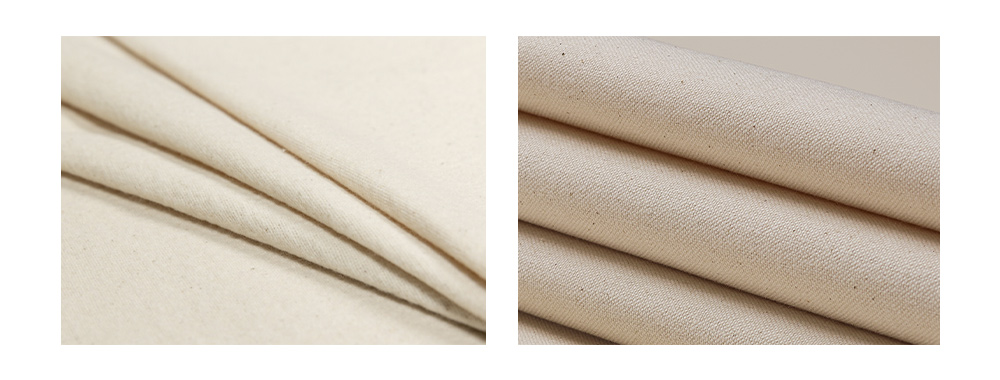
라미는 면이나 린넨보다도 강한 천연 섬유로, 실크처럼 윤기가 나고 흡습성과 통기성이 뛰어납니다. 가방 안감으로는 틈새시장이지만, 매우 차별화된 소재입니다.
형질: 100% 천연 식물 섬유로, 길고 질긴 섬유이며, 표면은 자연스러운 실크 같은 광택이 납니다.
장점: 친환경적이고 생분해성이며, 고강도, 흡습성, 항균 및 곰팡이 방지, 내열성을 갖추고 있습니다.
단점: 뻣뻣한 촉감, 구김 발생 용이, 높은 가격, 평균적인 색상 견뢰도, 합성 섬유에 비해 떨어지는 내마모성
추천: 촉감과 구김 방지 기능을 향상시키기 위해 면과 혼방되는 경우가 많습니다(예: 라미 55% + 면 45%). 캔버스나 린넨과 같은 천연 소재의 겉감과 잘 어울립니다.
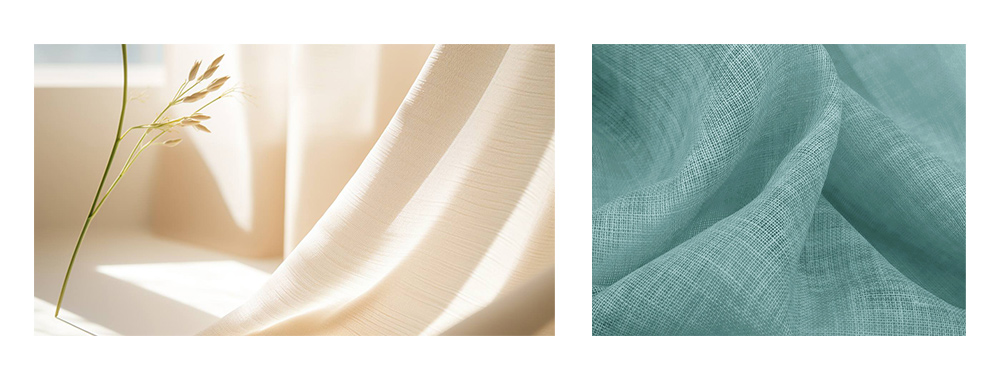
린넨은 오랜 전통을 자랑하는 천연 섬유로, 뛰어난 통기성과 독특한 질감으로 유명합니다. 가방 안감 소재로는 틈새시장에서 많이 사용되지는 않지만, 자연스러운 아름다움과 지속 가능성을 추구하는 제품에 특히 적합한 세련된 선택입니다.
형질: 100% 천연 식물 섬유로 제작되어 자연스러운 질감과 은은한 광택이 돋보이며, 소박하면서도 고급스러운 느낌을 선사합니다.
장점: 친환경적이고 생분해성이며, 뛰어난 흡습성과 통기성, 항균 및 냄새 방지 기능, 높은 강도, 우수한 열 방출, 시원한 촉감을 제공합니다.
단점: 뻣뻣한 촉감, 구김이 잘 생기고 복원력이 떨어짐, 내마모성 평균, 수축률 높음, 가격 높음, 색상 견뢰도 평균
추천: 부드러움과 구김 방지 기능을 향상시키기 위해 면과 혼방되는 경우가 많습니다. 사용 전 수축 방지 처리가 필요하며, 염색 및 변색 문제를 최소화하기 위해 생지 또는 베이지색과 같은 천연색을 권장합니다.
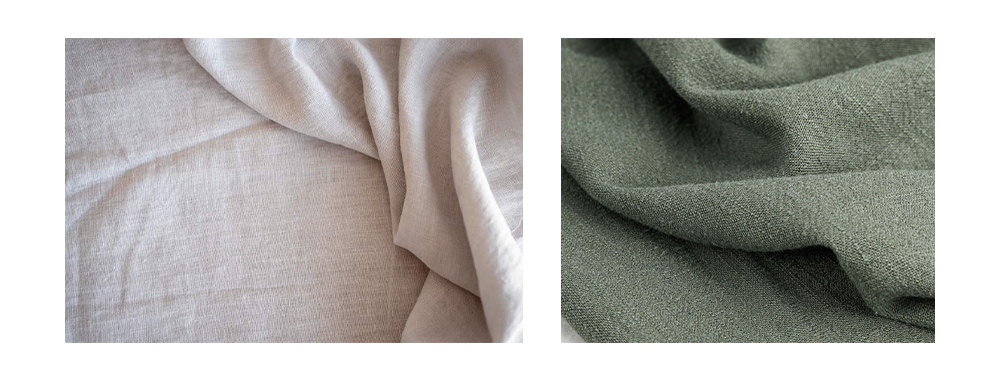
대나무 섬유는 최근 몇 년 동안 친환경 가방 분야에서 인기 있는 소재로 자리 잡았습니다. 살충제나 화학 비료 없이 빠르게 자라는 재생 가능한 대나무에서 추출되는 대나무 섬유는 탄소 발자국이 매우 적습니다. 천연 항균성과 부드러운 촉감 덕분에 환경 지속 가능성과 기능성을 모두 갖춘 이상적인 안감 소재입니다.
특징: 100% 천연 재생 가능 섬유, 항균 성분인 "대나무 쿤" 함유, 부드럽고 매끄러운 촉감
장점: 친환경적이고 생분해성이며, 천연 항균 및 정균 특성을 지니고 있고, 면보다 뛰어난 흡습성과 통기성을 자랑하며, 부드러운 촉감과 자외선 차단 기능, 탁월한 탈취 효과를 제공합니다.
단점: 습윤 강도가 낮음(젖으면 강도가 감소함), 내마모성은 평균 수준, 가격이 높음, 수축 경향이 있음, 어두운 색상의 견뢰도는 평균 수준
추천: 면이나 폴리에스터와 혼방하여 습윤 강도와 내마모성을 향상시킬 수 있습니다. 사전 수축 처리가 필요하며, 밝은 색상을 권장합니다.
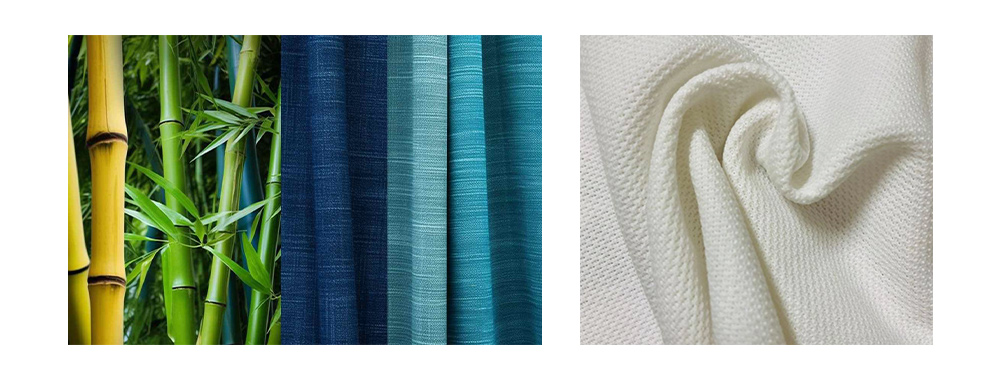
스웨이드는 표면에 섬세하고 벨벳 같은 촉감이 있는 가죽 소재로, 천연 스웨이드(소가죽, 양가죽 또는 돼지가죽의 뒷면)와 합성 스웨이드(마이크로섬유 합성 스웨이드)로 나뉩니다. 가방 안감으로 사용될 때, 고급스러운 촉감과 뛰어난 보호 기능으로 유명하며, 고급 가방에 꾸준히 사용되는 소재입니다.
특징: 표면이 가늘고 촘촘한 털로 덮여 있어 부드럽고 따뜻한 촉감을 제공하며, 시각적 및 촉각적 품질이 매우 뛰어납니다.
장점: 고급스럽고 부드러운 촉감, 뛰어난 미끄럼 방지 기능(가방 안의 물건이 미끄러지는 것을 방지), 강력한 쿠션 및 보호 기능(보석, 안경, 전자제품 등 섬세한 물건을 보호), 천연 스웨이드 소재로 뛰어난 내구성을 제공하여 제품의 가치를 더욱 높였습니다.
단점: 천연 가죽은 가격이 비싸고 먼지와 얼룩이 쉽게 묻으며, 어두운 색상은 물 빠짐이 심하고, 젖으면 딱딱해지고 변형되며, 비교적 무겁습니다. 합성 스웨이드는 통기성이 떨어집니다.
추천: 천연 스웨이드는 프리미엄 제품에 적합하며, 중저가 제품에는 비용 절감을 위해 마이크로파이버 합성 스웨이드를 사용할 수 있습니다. 일상용 백팩이나 아웃도어 가방처럼 넓은 면적에 사용하기에는 적합하지 않으며, 밝은 색상의 제품은 어두운 색상의 스웨이드와 직접 접촉하여 염료가 묻어나지 않도록 해야 합니다.
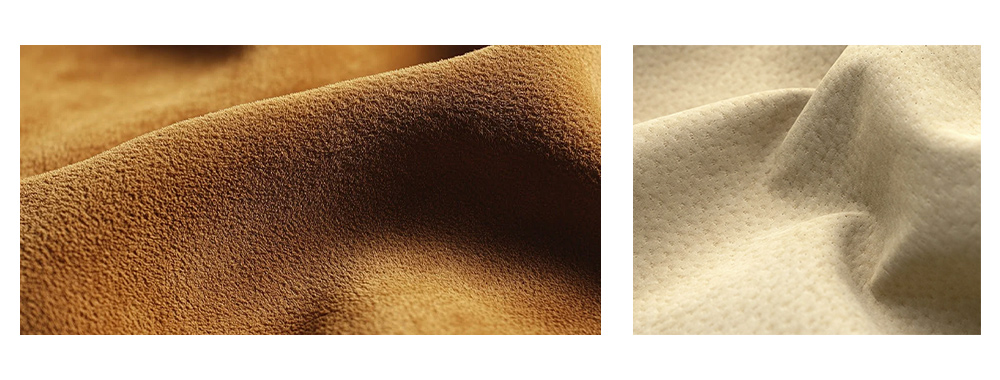
특징: 가장 부드러운 가죽 종류 중 하나이며, 미세한 모공과 가벼운 촉감을 가지고 있습니다.
장점: 매우 부드러운 촉감, 자연스럽고 우아한 광택, 소가죽보다 가벼움
단점: 내마모성이 떨어지고 긁힘에 약하며 가격이 비싸고 세심한 관리가 필요하다.
참고: 양가죽 안감은 작은 면적이나 가벼운 용도의 가방에 더 적합합니다.
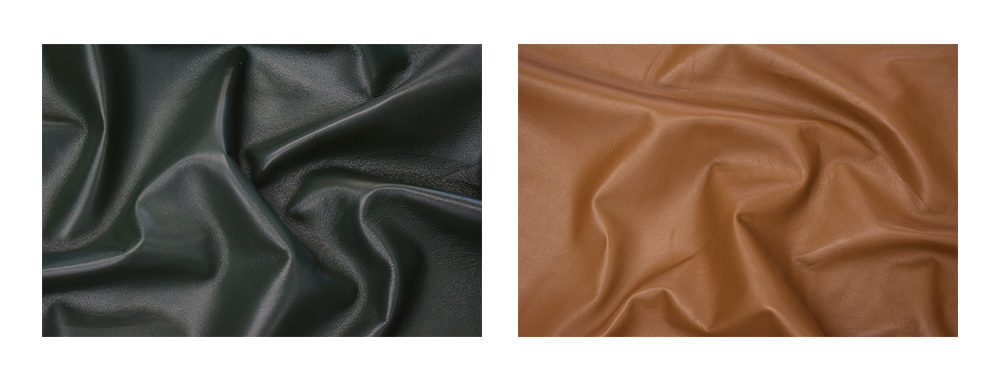
프로세스: PA/PU/PVC 코팅 처리된 태피터, 폰지 또는 옥스퍼드 원단을 기본 소재로 사용
장점: 방수, 방습, 곰팡이 방지
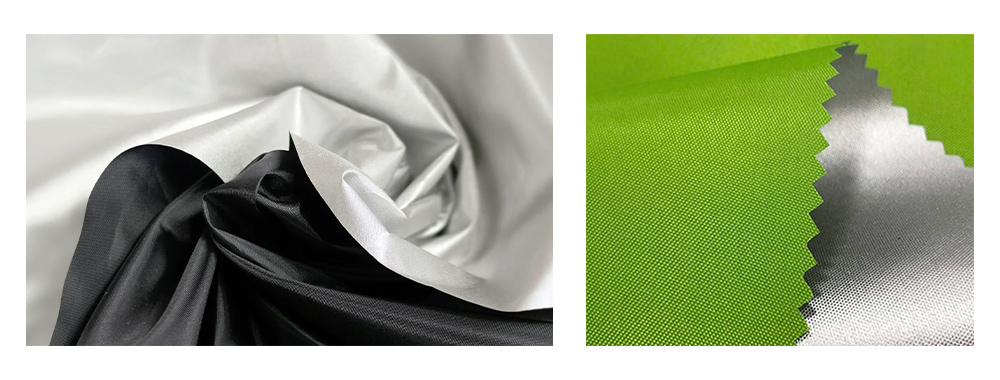
프로세스: 직조 또는 마감 과정에서 첨가되는 전도성 섬유
장점: 정전기로 인한 먼지 부착을 방지하여 전자 제품을 보호합니다.
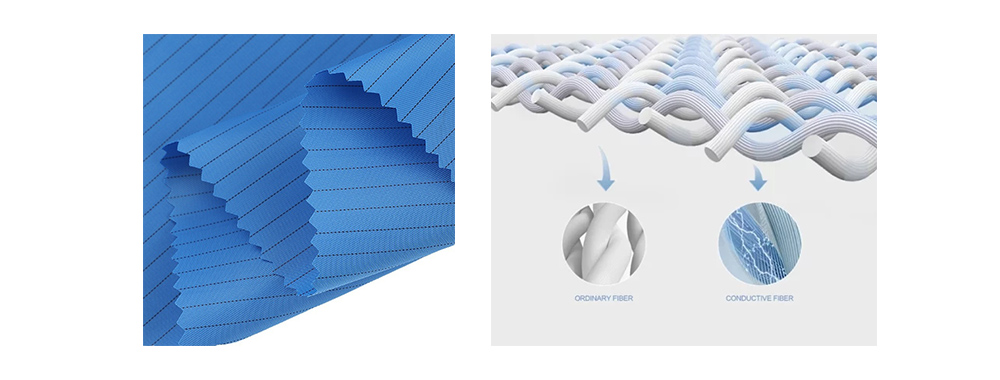
공정: 후처리 함침법으로, 주로 인계 또는 인-질소 상승작용 난연제를 사용하며, 패딩-건조-베이킹 공정을 통해 섬유 표면 또는 섬유 내부에 난연제를 고정합니다.
특징: 상기 난연 처리를 통해 특정 화재 방지 기준을 충족합니다.
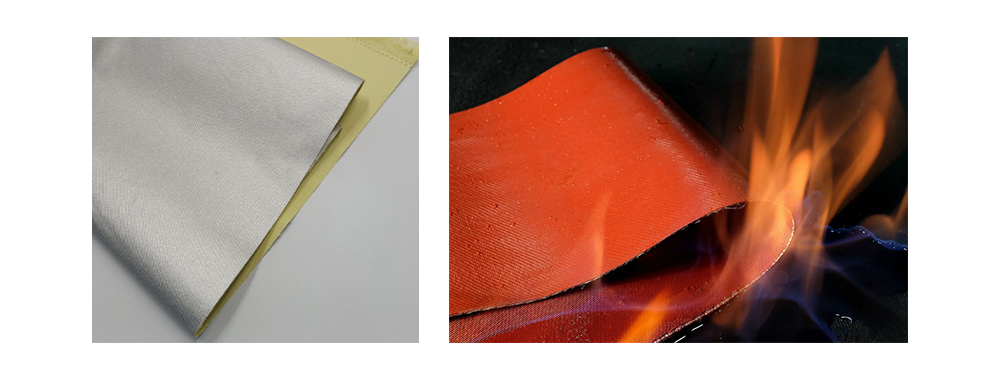
항균 안감은 섬유 직조 또는 마감 과정에서 항균 성분을 첨가하여 직물에 세균 번식을 억제하고 냄새를 줄이는 기능을 부여하는 특수 안감입니다.
형질: 섬유 개질 또는 후처리 공정을 통해 직물은 지속적인 항균성을 갖게 됩니다. 일반적인 항균 성분으로는 나노 은 이온, 아연 이온, 구리 이온, 4급 암모늄염 및 천연 대나무 추출물이 있습니다.
장점: 대장균 및 황색포도상구균과 같은 일반적인 병원성 세균의 증식을 효과적으로 억제하고, 가방 내부의 땀이나 음식물 찌꺼기로 인한 냄새를 줄여주며, 가방의 세척 주기를 연장하고, 제품의 위생 및 안전 이미지를 향상시키며, 일부 성분은 곰팡이 방지 기능도 제공합니다.
단점: 세척 횟수가 늘어날수록 항균 효과가 점차 감소하며(특히 후처리 제품에서 두드러짐), 은 이온 함유 제품은 가격이 높고, 일부 화학 항균제는 피부 민감성 문제를 야기할 수 있으며, 항균제가 OEKO-TEX 또는 REACH 환경 기준을 준수하는지 확인해야 합니다.
가방 종류 | 추천 안감 | 이론적 해석 |
비즈니스 노트북 백팩 | 트윌 나일론, 폰지, 정전기 방지 안감 | 전자제품 보호를 위한 내마모성, 정전기 방지 기능, 뛰어난 촉감, 전문적인 디자인 |
야외 하이킹 배낭 | 210D 나일론 립스톱, 나일론 옥스포드, 방수 코팅 안감 | 찢어짐 방지, 방수, 내구성, 경량 |
패션 여성 가방 | 복숭아 피부, 산퉁, 새틴, 양가죽 | 프리미엄 감성, 품질 향상, 우아한 시각적 매력 |
화장품/세면도구 가방 | 복숭아 피부 질감, 폴리에스터 태피터, 나일론 태피터, 대나무 섬유, 항균 안감 | 부드럽고 아름다우며 세척이 쉽고 방수 기능도 뛰어납니다. |
학생용 백팩 | 폰지, 폴리에스터 트윌 태피터 | 비용 효율적이고 내구성이 뛰어나며 색상이 풍부하고 친환경적인 콘셉트로 인기가 높습니다. |
공구 가방 / 산업용 가방 | 나일론 옥스포드, 방수 코팅 안감, 난연 안감 | 내마모성, 방수성, 손쉬운 유지보수, 높은 안전성 |
친환경 컨셉 가방 | 면 안감, RPET 재활용 폴리에스터, 재활용 나일론, 대나무 섬유, 라미, 린넨 | 친환경적, 피부 친화적, 지속가능성, 브랜드 차별화 |
트롤리 케이스/여행 가방 | 나일론 옥스포드, 폴리에스터 태피터, 폰지 | 내마모성, 경량성, 손쉬운 유지보수, 비용 관리가 용이함 |
스포츠/짐 가방 | 폴리에스터 메쉬, 폰지, 방수 코팅 안감, 대나무 섬유 | 통기성, 빠른 건조, 경량성, 항균 및 탈취 기능 |
어린이 가방 / 임산부 가방 | 면 안감, 대나무 섬유, 복숭아 피부 질감, 항균 안감 | 피부에 자극이 없고 안전하며, 항균 기능이 있고, 부드럽고, 친환경적입니다. |
보석/액세서리 보관용 가방 | 스웨이드, 피치 스킨, 새틴 | 충격 흡수, 미끄럼 방지, 고급스러운 촉감, 긁힘 방지 |
이브닝 백/클러치 | 새틴, 양가죽, 산퉁, 피치 스킨 | 고급스러운 광택, 최고급 품질, 가볍고 우아한 디자인 |
사진 장비 가방 | 정전기 방지 안감, 나일론 태피터, 방수 코팅 안감 | 정밀 장비 보호, 방습, 정전기 방지 |
다이빙/수상 스포츠 가방 | 재활용 나일론, 방수 코팅 안감, 나일론 태피터 | 빨리 마르고, 친환경적이며, 내구성이 뛰어납니다. |
군용/전술용 가방 | 210D 나일론 립스톱, 나일론 옥스포드, 난연 안감, 항균 안감 | 뛰어난 내구성, 찢어짐 방지, 안전 규격 준수 |
고급 가죽 가방 | 산퉁, 양가죽, 스웨이드, 면 안감 | 천연 가죽과 동일한 외관, 통일된 질감, 프리미엄 포지셔닝 |
접이식 수납 가방 / 경량 가방 | 나일론 태피터, 폴리에스터 태피터, RPET | 초경량, 간편한 접이식, 저렴한 가격, 친환경적인 선택 |
신발 주머니 / 통기성 수납공간 | 폴리에스터 메쉬, 폰지 | 통기성, 시인성, 경량, 곰팡이 방지 |
선물 가방 / 판촉용 가방 | 폴리에스터 태피터, 폰지, RPET | 저렴한 가격, 풍부한 색상, 인쇄 가능한 로고, 친환경적인 판매 포인트 |
여름용 캐주얼 가방 / 비치백 | 리넨, 라미, 코튼 안감, 나일론 태피터 | 통기성이 좋고 시원하며, 자연스러운 질감에 땀 흡수 기능까지 뛰어납니다. |
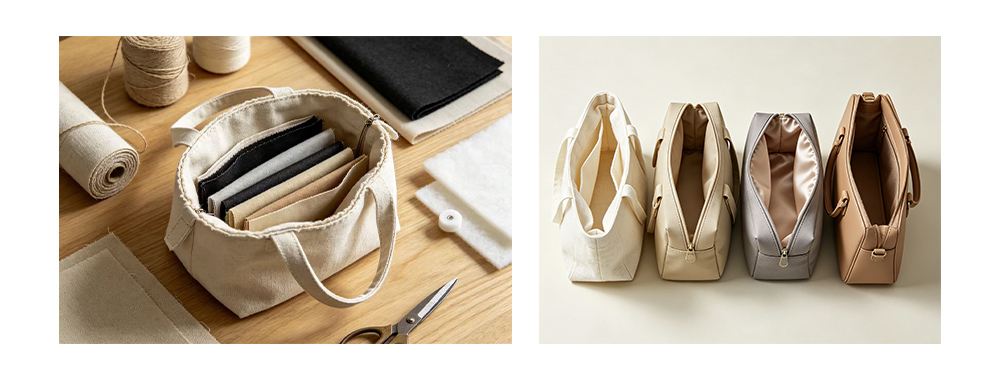
안감은 사용자가 가방을 열 때마다 직접 만지는 소재입니다. 안감의 촉감은 제품에 대한 첫인상과 인지된 가치를 직접적으로 결정합니다.
프리미엄 럭셔리 터치: 피치 스킨, 샨퉁, 새틴, 양가죽, 스웨이드 등을 고려해 보세요.
중견기업 대상 서비스: 트윌 나일론, 폴리에스터 트윌 태피터, 폰지 등을 고려해 보세요.
대중 시장: 210D 폴리에스터, 폴리에스터 태피터를 고려해 보세요.
자연스럽고 소박한 느낌: 면 안감, 린넨, 라미, 대나무 섬유 중에서 선택하세요. 자연스러운 아름다움과 지속 가능한 콘셉트에 적합합니다.
팁: 안감의 촉감은 겉감의 질감과 조화를 이루어야 합니다. 예를 들어, 천연 가죽 겉감에는 양가죽이나 산퉁 가죽 안감이, 캔버스 겉감에는 면이나 린넨 안감이, 나일론 겉감에는 나일론 소재 안감이 잘 어울립니다.
가방의 사용 시나리오와 대상 사용자를 고려할 때, 기능성 안감 선택은 매우 중요합니다.
방수 및 방습 안감: 아웃도어 가방, 쿨러백, 공구 가방, 레인웨어 가방에는 방수 코팅 안감(PA/PU/PVC 코팅)이 필요합니다.
정전기 방지 안감: 노트북 가방, 카메라 가방, 정밀 기기 가방은 정전기로 인해 먼지가 달라붙거나 전자 부품이 손상되는 것을 방지하기 위해 정전기 방지 안감을 사용해야 합니다.
난연성 안감: 산업용 공구 가방, 소방 장비 가방 및 특수 작전용 가방은 특정 난연 기준을 충족해야 합니다. 이러한 제품의 경우 외부 및 내부 소재 모두에 대한 난연성 요구 사항을 고려하는 것이 좋습니다.
항균 및 탈취 안감: 스포츠 가방, 헬스 가방, 임산부 가방은 박테리아 번식을 억제하고 냄새를 줄이기 위해 대나무 섬유 또는 항균 처리된 안감을 사용할 수 있습니다.
통기성이 좋고 눈에 잘 띄는 안감: 스포츠 가방, 신발 가방의 수납공간 또는 애완동물 운반 가방에는 통기성이 좋고 내부 물품을 쉽게 확인할 수 있는 폴리에스터 메쉬 소재를 사용할 수 있습니다.
저가형 제품군: 폴리에스터 태피터(170T~210T), 폰지(190T~210T), 폴리에스터 메쉬 - 대량 생산, 판촉물, 학생용 백팩에 적합합니다.
중가 제품군: 나일론 옥스포드(210D~420D), 트윌 태피터, 새틴, 나일론 태피터, 210D 나일론 립스톱 - 중저가 시장, 비즈니스 가방, 아웃도어 가방에 적합합니다.
고가 제품군: 트윌 나일론, 피치 스킨, 산퉁 - 중고가 시장, 패션 여성 가방, 고급 여행 가방에 적합합니다.
초고가 제품군: 스웨이드, 양가죽, 천연 실크 샨퉁 - 고급 시장 및 최고급 맞춤 제작에 적합합니다.
크기는 작지만 안감은 가방의 전체적인 품질과 사용자 경험에 직접적인 영향을 미칩니다. 전문 가방 OEM/ODM 제조업체로서 당사는 방대한 안감 소재 라이브러리를 보유하고 있습니다. 귀사의 제품 포지셔닝, 예산 및 기능적 요구 사항에 따라 가장 적합한 안감 솔루션을 추천해 드릴 수 있습니다. 폰지 소재의 경제성, 피치 스킨 및 산퉁 소재의 프리미엄 품질, 또는 친환경적인 소재 등 귀사의 요구에 맞는 다양한 안감을 제공합니다. RPET 그리고 재활용 나일론저희는 고객님께 원스톱 맞춤 제작 서비스를 제공해 드릴 수 있습니다.
믿을 수 있는 가방 맞춤 제작 파트너를 찾고 계신다면, 샘플 및 견적 문의는 저희에게 연락주세요.
| 작가 | ||||||
|
계속 읽어보시고, 계속해서 소식을 받아보시고, 구독하세요. 귀하의 생각을 알려주시면 감사하겠습니다.




저작권
@2024 Synberry Bag & Package Products Co.,Ltd 모든 권리 보유
.
 네트워크 지원
사이트맵 / 블로그 / Xml / 개인 정보 보호 정책