
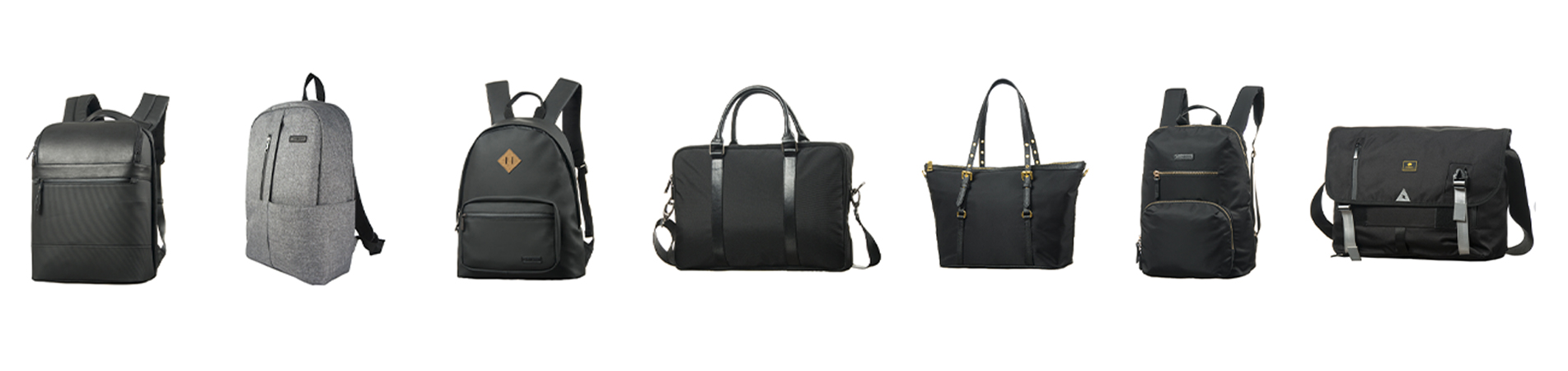
The most commonly used cosmetic bag lining materials are polyester-based fabrics, especially polyester plain weave, polyester taffeta, pongee, and coated polyester. In addition, nylon, TPU, PEVA, PVC, and EVA are frequently used for products with high waterproof and leak-proof requirements; RPET recycled polyester and recycled nylon are suitable for sustainable brand lines; microfiber, faux suede, velvet, and satin are suitable for high-end tactile feel and gift positioning.
Cotton, canvas, cotton-polyester blends, and cotton-linen blends can also be used for cosmetic bag lining, especially for canvas cosmetic bags, natural style, eco-friendly positioning, or products requiring embroidery texture. However, their waterproof, stain-resistant, and easy-clean performance typically differs from coated synthetic fabrics and needs to be evaluated based on specific use scenarios.
• Selection by Functional Requirements
• Key Technical Parameters for Lining Selection
• Lining Customization Processes and LOGO Presentation Methods
• How Do We Ensure Full-Process Material Quality Control for Brands?
• Frequently Asked Questions
• Conclusion
Cosmetic bag lining selection typically revolves around stain resistance and waterproofing, cosmetic protection, easy cleaning, and shape retention and support. The following section categorizes by functional requirements and explains the characteristics, applicable scenarios, and precautions of commonly used fabrics.
• PVC/TPU Film: Commonly used for functional cosmetic bags and wet-dry separation compartments, with outstanding waterproof and leak-proof performance. Liquids are easy to wipe clean after splashing. PVC offers outstanding waterproof performance and transparency, but its compliance risks under REACH and Prop 65 must be carefully evaluated for European and American markets; TPU performs better overall in eco-friendliness, UV resistance, and flexibility, making it the preferred direction for high-end waterproof styles.
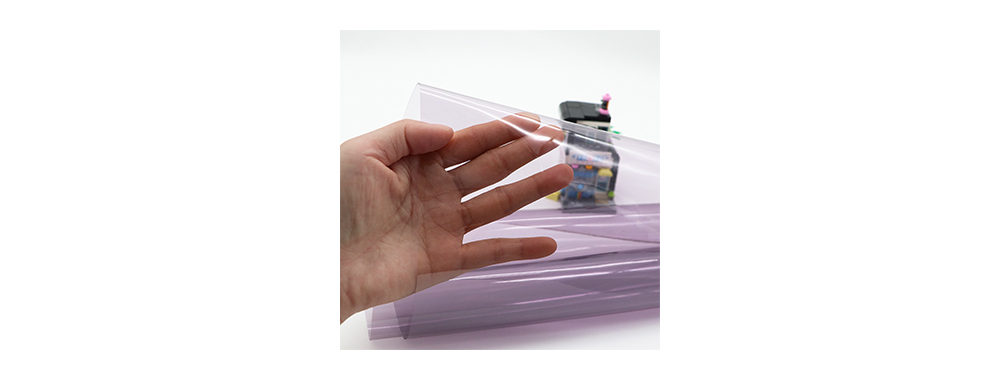
• PEVA: Chlorine-free, it is an eco-friendly alternative direction to PVC, offering good waterproof performance and easy-wipe characteristics, suitable for brands with sustainability requirements. Long-term UV exposure may cause slight yellowing, which needs to be evaluated during the sampling stage.
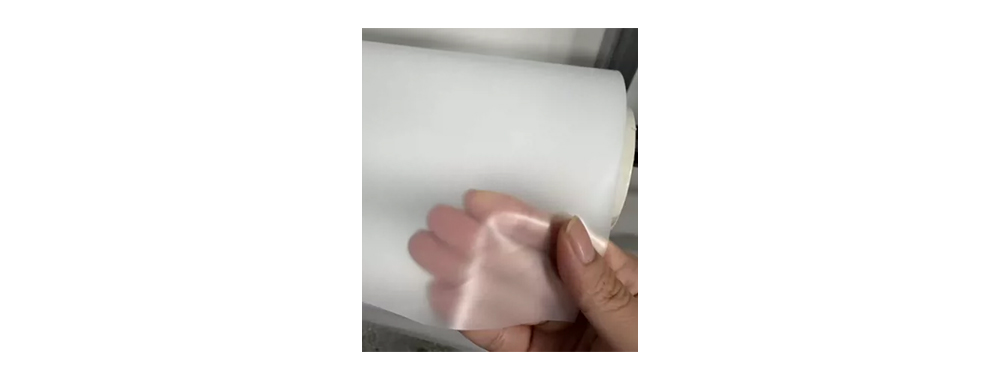
• EVA: Commonly used for rigid inner trays or molded linings, with good waterproof performance and structural support, suitable for cosmetic bag inner cores that require shape retention.

• Coated Polyester and Coated Oxford Cloth (e.g., PU coating, TPU coating): After adding a coating to polyester or Oxford cloth, a continuous film forms on the lining surface, effectively blocking liquid splashes such as liquid foundation and skincare water from penetrating. Wear-resistant and tear-resistant, with good cost-effectiveness, suitable for affordable large-capacity cosmetic bags and daily functional styles. Note that coatings and stitching are not absolutely leak-proof.
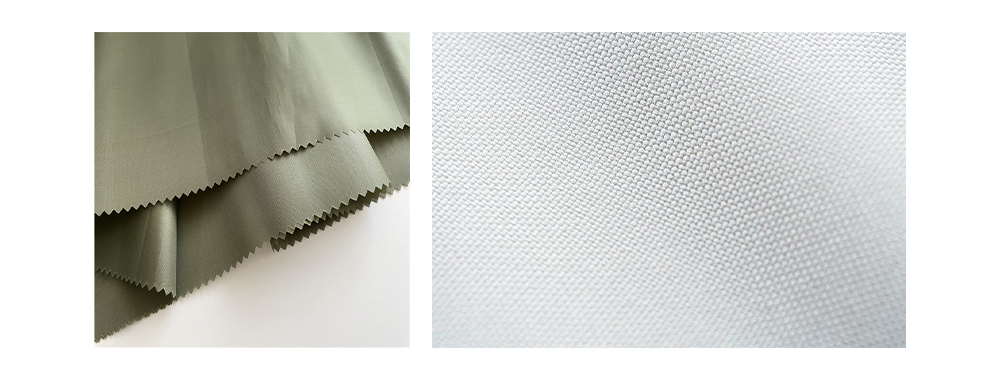
• Polyester Plain Weave, Pongee, Polyester Taffeta: Stable supply, high cutting and sewing efficiency, and stable color fastness, ensuring lining color consistency across different batches in bulk orders. Among them, polyester taffeta is lightweight and high-density, smooth and snag-resistant, with light weight; pongee and plain weave are suitable for mass-market styles. For basic waterproof requirements, light-coated versions can be selected.
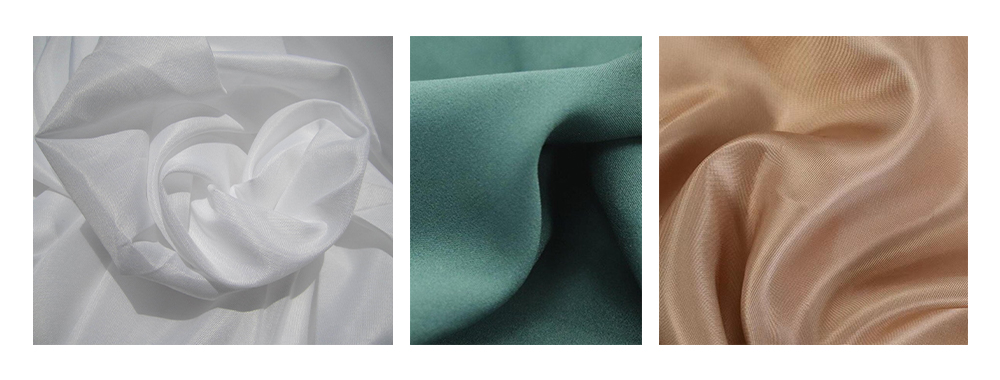
• Nylon Taffeta: Smooth hand feel, tear strength superior to polyester of the same specification, suitable for mid-to-high-end cosmetic bag products. Nylon itself has certain waterproof properties and is commonly used for waterproof and easy-to-clean linings. If the product emphasizes lightweight, durability, and travel scenarios, nylon is a selection direction worth considering.
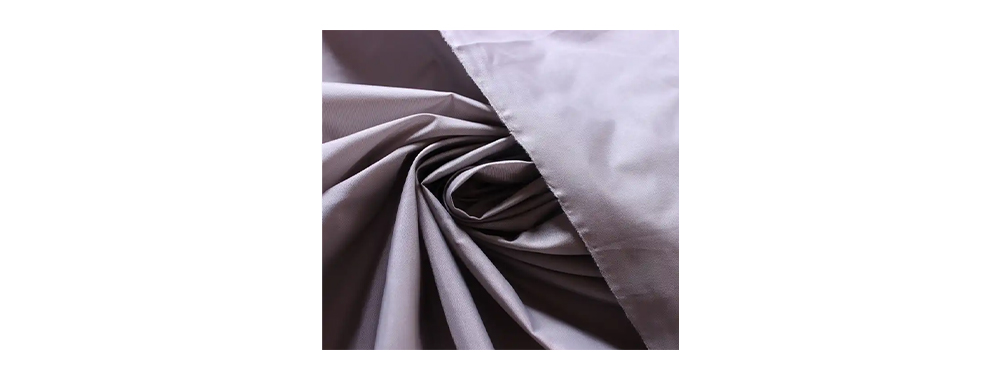
[Additional Note] Coated fabrics can only resist splashes. Ordinary sewing creates needle holes, and liquids may still seep through the stitching. If complete leak-proofing is required, an additional seam-sealing heat-sealing process is needed.
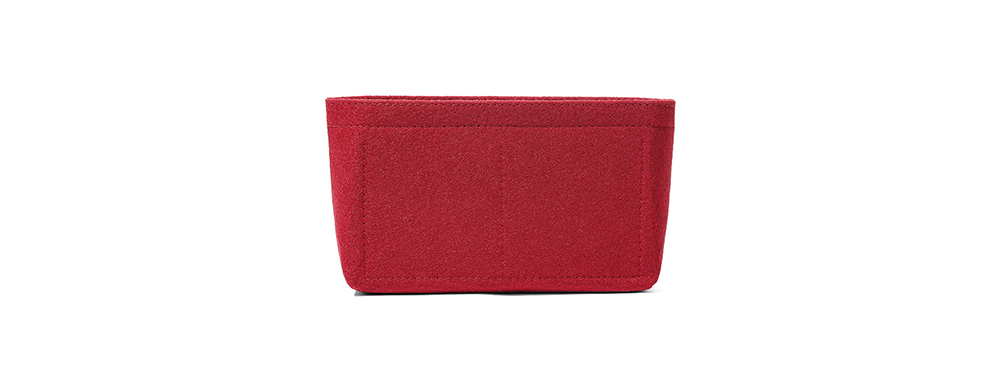
• Felt: High stiffness, strong support, helps the cosmetic bag maintain a three-dimensional silhouette, and provides certain cushioning and shock-absorbing effects, suitable for custom inner bags and products that need to protect powder compacts and eyeshadow palettes. Attention should be paid to weight, cleaning methods, and thickness.
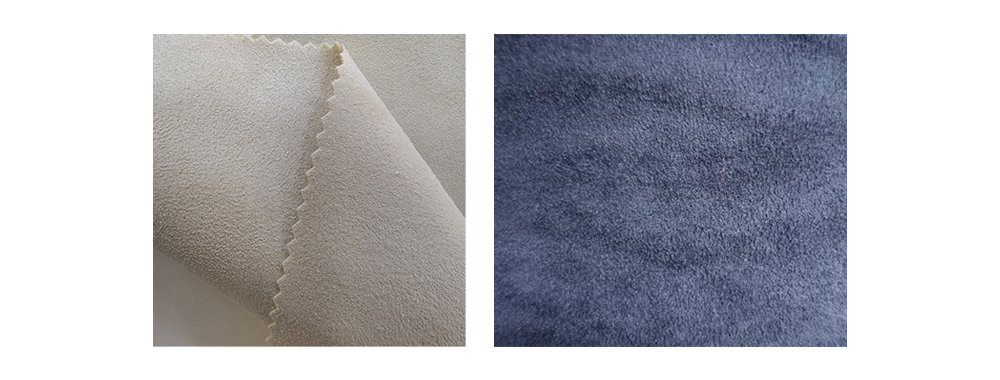
• Fleece Category (e.g., microfiber fleece, faux suede, velvet): Delicate touch, with slight damping feel, can reduce cosmetic bottle sliding and scratching, suitable for mid-to-high-end cosmetic bags. Microfiber, faux suede, and velvet offer premium tactile feel and anti-slip properties, mostly used for high-end brand matching.
• Acetate Satin: Smooth and soft touch, warm luster, good drape and wrinkle resistance, smooth for taking out and putting in cosmetics, will not snag makeup brush bristles, suitable for light luxury positioning.
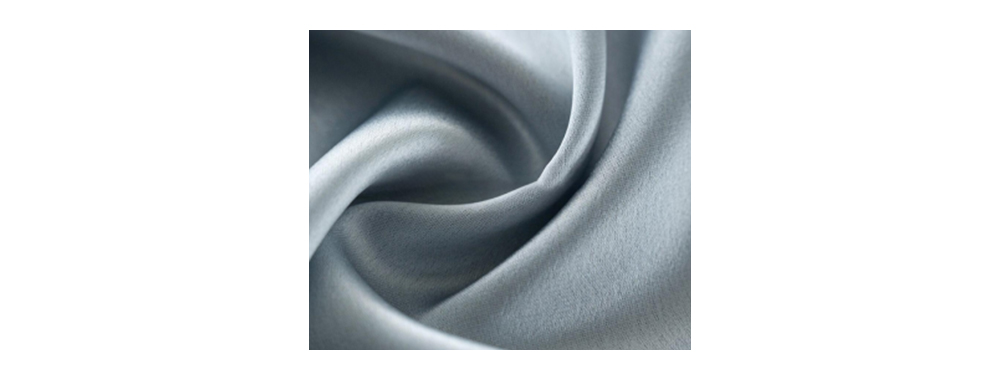
• Ordinary Satin/Sateen: Smooth surface, skin-friendly, with soft luster, can enhance refinement, suitable for gifts and products that value visual design. Need to evaluate snagging, abrasion resistance, and color fastness. Polyester satin and nylon satin have excellent printing effects, suitable for high-end linings.
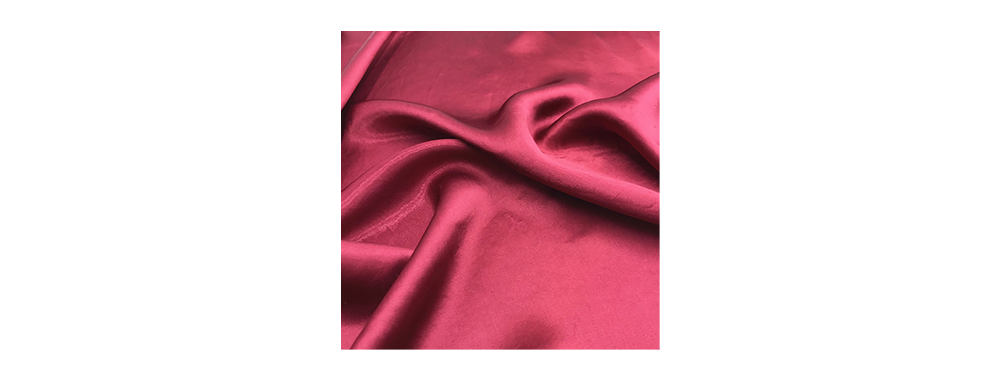
• RPET: Made from recycled PET bottles through crushing, cleaning, and spinning into yarn. Its hand feel, color fastness, and abrasion resistance are minimally different from virgin polyester, and it can seamlessly replace traditional polyester plain weave or taffeta, suitable for most conventional cosmetic bag linings. It is a commonly used material for brands practicing ESG concepts.
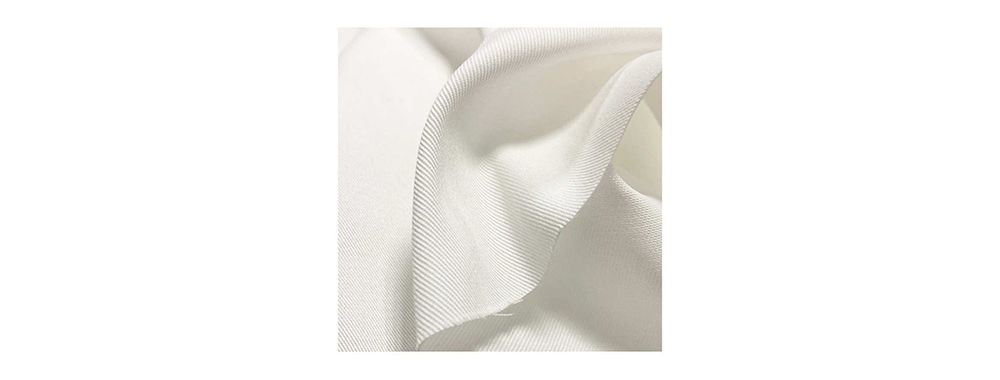
• Recycled Nylon: Mainly derived from discarded fishing nets, carpet fibers, and other industrial waste, regenerated through depolymerization and polymerization. Compared with RPET, recycled nylon performs better in strength, elasticity, and chemical resistance, with a more delicate and smooth touch, but market supply is less stable than RPET, and cost is usually higher than RPET.
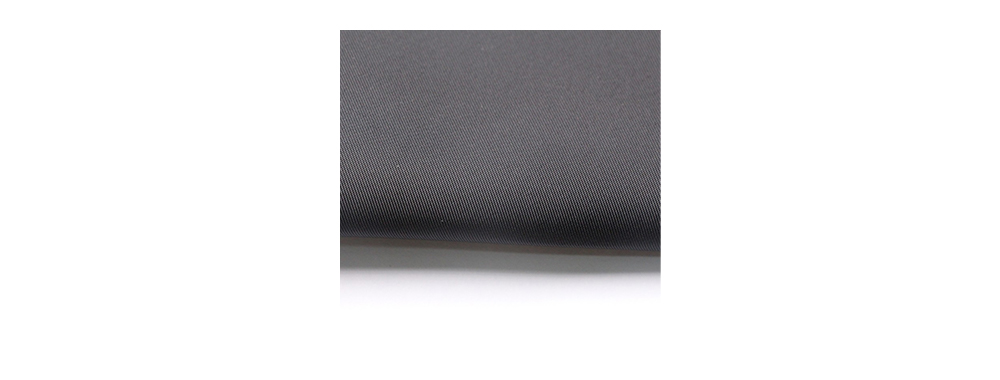
• Cotton: Natural hand feel, skin-friendly, moisture-absorbing, suitable for natural style, eco-friendly positioning, and canvas cosmetic bag linings.
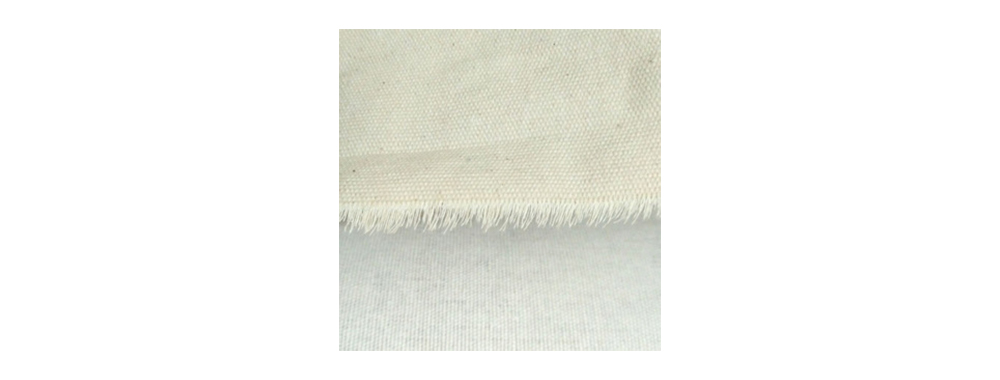
• Canvas: Higher gram weight, good structural support, wear-resistant, suitable for canvas cosmetic bags, toiletry bags, travel storage bag linings or outer pockets. When used as lining, weight, thickness, and sewing processes need to be comprehensively considered. All-cotton canvas has good breathability and is lightweight, suitable for powder products and makeup brushes and other items that need ventilation.
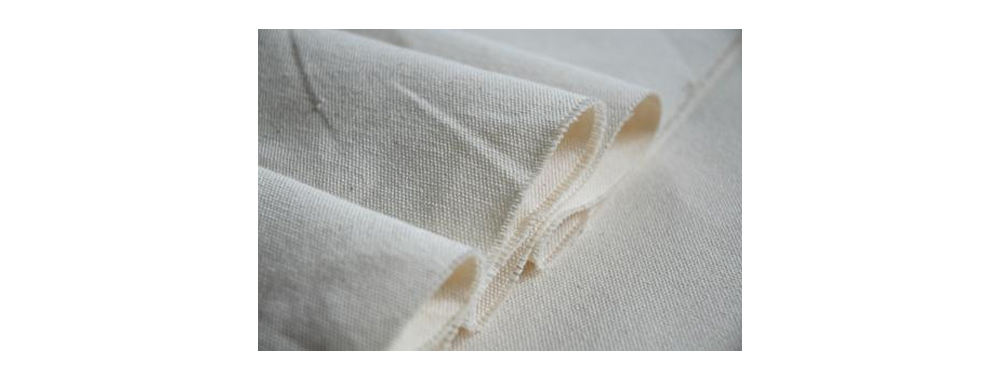
Ordinary cotton and canvas are not waterproof, easily absorb color and stains. If directly exposed to liquid cosmetics, cleaning is difficult. A common approach is to combine with removable washable inner bags, coating finishing, independent waterproof bags, or internal compartment structures.
• Cotton-Polyester Blend: Balances the natural hand feel of cotton with the durability and dimensional stability of polyester, suitable for projects that need to balance texture and bulk production consistency.
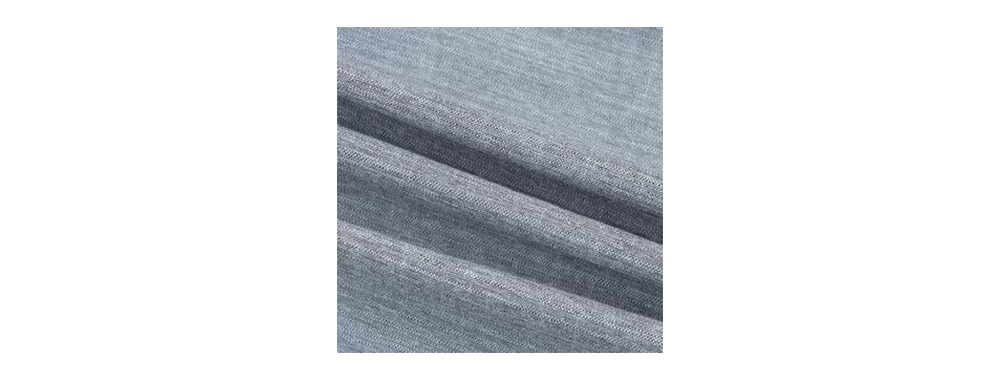
• Cotton-Linen Blend: Prominent natural texture, suitable for specific style brands, but stain resistance and color fastness need to be confirmed during the sampling stage.
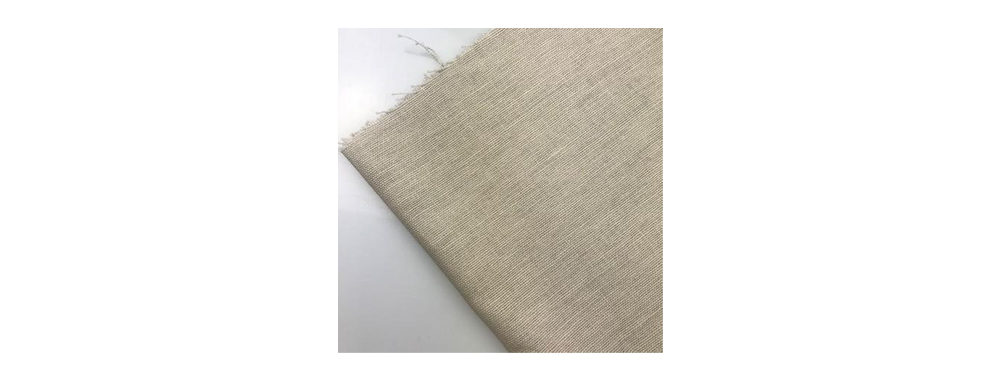
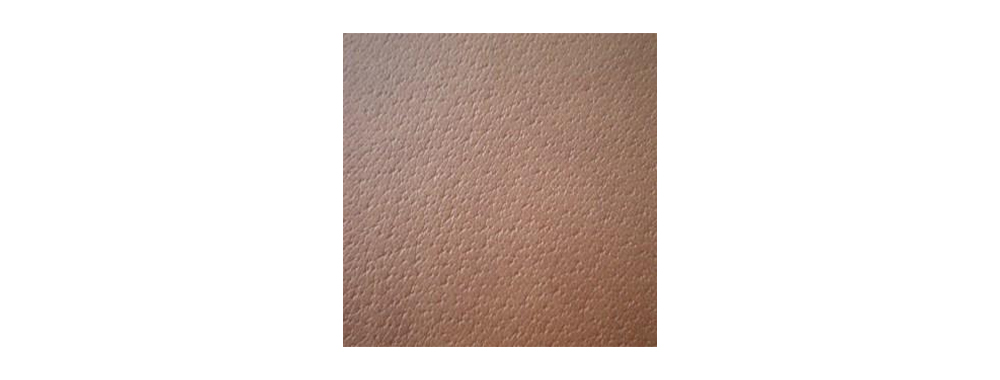
• PU Lining: Textured, easy to wipe, suitable for daily commuting and mid-range positioning products. Its surface is dense, effectively blocking oil-based stains such as liquid foundation and lipstick from penetrating. A damp cloth can easily wipe it clean, with low maintenance cost. Note to choose PU materials with good hydrolysis resistance to avoid coating peeling or stickiness after long-term use, especially in high-temperature and high-humidity environments where aging tests are required.
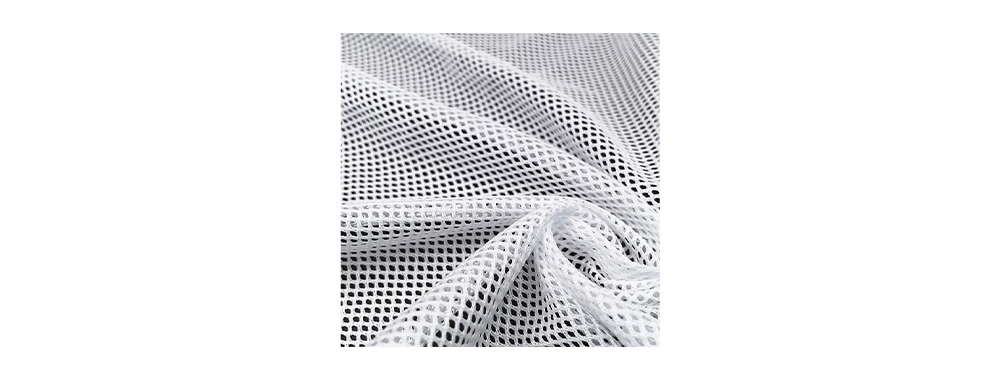
• Mesh/Three-Layer Mesh: Excellent breathability, light weight, commonly used for internal compartment bags or brush storage layers of cosmetic bags, facilitating quick identification of items and accelerating internal moisture dissipation, reducing mold growth risk. However, due to its uneven surface and large pores, it easily traps dirt and is difficult to thoroughly clean. It is not recommended as the main lining directly contacting liquid cosmetics, and usually needs to be used with a waterproof inner bag.
When selecting lining fabrics for cosmetic bags, the following parameters directly affect final product quality and user experience. It is recommended to confirm each item during the sampling stage.
• Low Gram Weight (e.g., 30-50gsm polyester taffeta or pongee): Lightweight and soft, maximizes internal space saving, reduces overall weight, suitable for travel cosmetic bags pursuing ultimate portability and lightweight.
• Medium Gram Weight (e.g., 60-100gsm plain weave polyester, nylon, or cotton): Balances hand feel and durability, the mainstream choice for most conventional cosmetic bags. Fabrics in this range have moderate stiffness, can maintain the basic silhouette of the bag, while providing good sewing stability and abrasion resistance, suitable for daily commuting and multi-functional storage scenarios.
• High Gram Weight (e.g., 120gsm+ thick canvas, thickened coated fabric, or composite felt): Excellent stiffness and structural support, effectively maintaining the three-dimensional shape of the cosmetic bag, preventing deformation from internal item compression, commonly used for hard-case cosmetic bags or inner designs that need to stand independently.
|
Coating Type |
Waterproof Performance |
Abrasion Resistance |
Eco-Friendliness |
Typical Application |
|
PU Coating |
Good |
Good |
Medium |
Daily cosmetic bags |
|
TPU Composite |
Excellent |
Excellent |
Excellent |
High-end waterproof styles |
|
PEVA |
Good |
Medium |
Good |
Eco-friendly positioning styles |
|
PVC |
Excellent |
Good |
Compliance requires careful assessment |
Transparent styles |
|
EVA |
Good |
Good |
Medium |
Molded inner trays, rigid linings |
• Linings need to pass dry rubbing and wet rubbing color fastness tests, meeting order target market and brand requirements (refer to ASTM/ISO industry testing standards).
• Color selection needs to combine brand vision, target market usage habits, cleaning and maintenance expectations, and overall design.
• Dark or medium color systems are generally less likely to show stains in daily use; light color systems look fresh and suit some brand tones, but may show cosmetic residue more easily, so coating, easy-clean finishing, or removable washable inner bags can be combined.
• Lining fabric breaking strength and tear strength need to comply with industry general testing standards, such as ASTM D5034.
• Specific indicators need to match product positioning, usage scenarios, and brand quality requirements.
• Nylon and coated fabrics may generate friction noise, which needs to be evaluated during the sampling stage.
• Microfiber, faux suede, canvas, and other materials need attention to the impact of thickness on sewing efficiency and finished product weight.
• Coated and film materials need attention to whether they whiten after folding, whether resilience is stable, and whether stitching leaks.
• If the product is oriented toward daily office, travel, fitness, and other scenarios, the lining should prioritize easy-wipe and leak-proof performance.
• If the product emphasizes natural style or removable washable design, cotton, canvas, and cotton-polyester blends can be considered, combined with removable inner bags or waterproof storage bags.
• If the product is positioned as gifts or high-end brands, satin, microfiber, and faux suede can be considered, and maintenance methods should be clearly stated in the instructions.
• Color Customization: Dyeing according to Pantone color numbers. First orders need to reserve a color confirmation cycle.
• Texture Customization: Plain weave, twill, jacquard, satin, pearlescent, and other surface effects.
• Print Customization: Full-print brand patterns, LOGO repeat printing, seasonal graphics, etc.
• Structure Customization: Brush pockets, transparent inner bags, zippered hidden pockets, elastic band fixing positions, etc.
• Material Composite: Coating, lamination, bonding, embossing, and other processes can be combined according to waterproof and hand feel requirements.
|
Process |
Applicable Lining Types |
Durability |
Process Characteristics |
|
Silk Screen Printing |
Polyester, nylon, canvas, and other fabrics |
Medium |
Direct color expression |
|
Heat Transfer Printing |
Polyester, nylon, canvas, and other fabrics |
Good |
Good pattern detail expression |
|
Embroidery |
Polyester, nylon, canvas, and other fabrics |
Excellent |
Strong three-dimensional effect |
|
Woven Label |
All types |
Excellent |
Low cost |
|
Metal Label |
All types |
Excellent |
High-end feel |
|
Hot Stamping/Foil Stamping |
Satin, faux suede, PU leather |
Medium |
High-end feel |
• Custom printed linings or brand woven labels can enhance product unboxing experience and brand recognition.
• For DTC brands and gift channels, branded linings are an important means to enhance perceived value.
• Lining customization does not affect the flexibility of outer bag design, and can form an overall brand solution with outer bag fabric, zippers, and packaging.
• Requirement Confirmation: Understand customer product positioning and target market.
• Fabric Selection: Confirm lining material, gram weight, coating, and color.
• Sampling: Produce samples, confirm hand feel, color, and structure. (It is recommended to complete at least one round of physical sample confirmation before formal order placement.)
• Sample Confirmation: During the sampling stage, simultaneously confirm lining color, hand feel, thickness, coating, LOGO process, sewing effect, and cleaning performance.
• Compliance Requirements: If the product is oriented toward European and American markets, target market compliance documents and testing arrangements can be confirmed simultaneously during the sampling stage.
• Incoming Material Inspection: Verify fabric color difference, gram weight, and width.
• Cutting Stage: Check fabric surface defects and coating uniformity.
• Sewing Stage: Check whether the lining and zipper junction is flat and whether there are skipped stitches.
• Finished Product Stage: Conduct lining cleaning tests and zipper smoothness tests.
• Outgoing Inspection: Execute appearance and function inspection according to SYNBERRY AQL 1.5/4.0 sampling standards.
• In actual product development, real cosmetics can be used for lining cleaning comparison tests, rather than only testing with water.
• Candidate lining samples can be respectively exposed to liquid foundation, lipstick, sunscreen, and other cosmetics, then treated with the same cleaning method and wiping frequency, comparing residue conditions.
• This method can effectively screen the practical performance of lining solutions during the sampling stage.
A: Polyester plain weave, polyester taffeta, pongee, and coated polyester are widely used cosmetic bag lining materials, especially suitable for mass-market and conventional functional styles.
Cotton, canvas, cotton-polyester blends, and cotton-linen blends can also be used for cosmetic bag lining, especially suitable for canvas cosmetic bags, natural style, eco-friendly positioning, or products requiring embroidery texture. However, cotton and canvas are usually not waterproof and easily absorb stains and color. It is recommended to combine with removable washable inner bags, coating finishing, or independent waterproof bag designs. If emphasizing waterproof and leak-proof, TPU, PEVA, PVC, and EVA are more common; if emphasizing sustainability, RPET recycled polyester and recycled nylon are growing options.
A: Conventional polyester or nylon lining sampling is relatively fast, generally 15-20 days. Coated fabrics or custom printed linings require more time. If custom dyeing or Pantone color matching is involved, an additional color confirmation cycle needs to be reserved. It is recommended to complete at least one round of physical sample confirmation before formal order placement. Specific sampling schedules need to be confirmed with the factory.
A: PVC lining has the strongest waterproof performance and high transparency, but due to chlorine and phthalate issues, it faces high compliance risks under EU REACH and California Prop 65. PEVA is chlorine-free and is a more eco-friendly alternative, suitable for brands with sustainability requirements.
A: The MOQ for custom printed linings is usually negotiated based on pattern complexity, printing method, and fabric customization degree. Silk screen printing is suitable for larger batches, while digital printing can support small batches but with higher unit costs. In terms of lead time, the production cycle for printed linings is usually longer than plain color linings. Conventional printing MOQ starts at 500 pieces. Specific MOQ and lead time are subject to factory evaluation.
A: Factories usually evaluate from the following dimensions: whether gram weight meets specification requirements, whether coating is uniform without peeling, whether color fastness passes industry general tests, whether breaking strength meets standards, and whether wrinkling or thread breakage occurs after sewing. During the sampling stage, real cosmetics can be used for cleaning comparison tests, rather than judging only by visual inspection. During mass production, systematic control can be carried out through incoming material inspection, cutting inspection, sewing inspection, and outgoing sampling inspection.
A: Yes. Common solutions include: heat transfer printing LOGO on coated polyester lining, silk screen printing brand logo on TPU fabric, adding woven labels or printed labels on the lining. Note that some coating surfaces may affect ink adhesion. It is recommended to test the adhesion firmness of the LOGO process during the sampling stage.
A: This risk exists, so lining fabrics must complete dry rubbing and wet rubbing color fastness tests, meeting target market standards. Dark fabrics especially need key verification of wet rubbing indicators. During sampling, color fading tests can be conducted simultaneously to avoid after-sales issues of lining dyeing contaminating cosmetics in finished products.
As a professional bag OEM/ODM manufacturing factory, we provide brands and buyers with one-stop services from lining fabric selection, sampling confirmation, LOGO process customization to bulk production and outgoing quality control. Whether you need basic styles for mass markets, functional styles with waterproof and leak-proof features, high-end styles focusing on tactile feel, or sustainable brand lines, we can match suitable lining solutions and supply chain resources according to your target market and product positioning. To obtain lining fabric samples or discuss specific project requirements, please feel free to contact our business team.
| Author | ||||||
|
계속 읽어보시고, 계속해서 소식을 받아보시고, 구독하세요. 귀하의 생각을 알려주시면 감사하겠습니다.




저작권
@2024 Synberry Bag & Package Products Co.,Ltd 모든 권리 보유
.
 네트워크 지원
사이트맵 / 블로그 / Xml / 개인 정보 보호 정책