기치
블로그

Why Brands Are Switching to Recycled Nylon for Bag Manufacturing

블로그

Why Brands Are Switching to Recycled Nylon for Bag Manufacturing

May 12, 2026

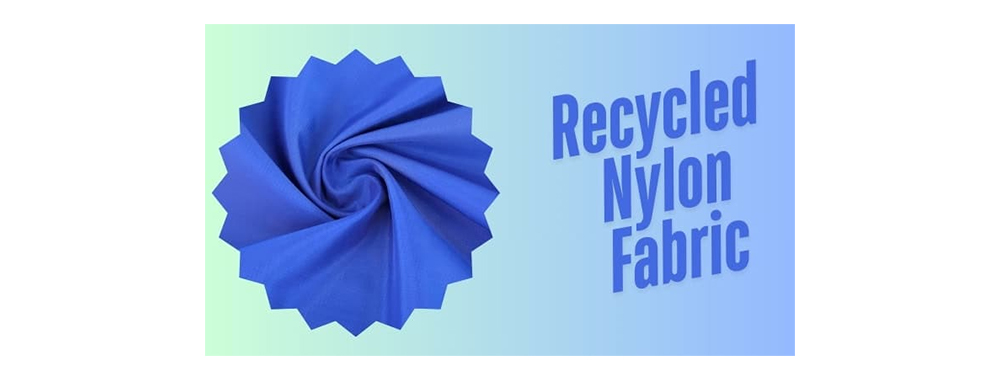
Sustainability is no longer a niche selling point, it’s a baseline expectation; for brands looking to develop eco-friendly bag lines—whether backpacks, travel duffels, cosmetic pouches, or tote bags—recycled nylon offers a rare combination: the rugged durability of virgin nylon, but with a significantly lower environmental footprint.

From ghost nets to premium backpacks—how recycled nylon is reshaping sustainable bag production without compromising performance.

At SYNBERRY BAG, we regularly field questions from buyers about how recycled nylon performs in real production scenarios, what certifications matter, and whether it can truly match the look and feel of conventional materials. This guide answers those questions from a manufacturer’s perspective.


1. What Is Recycled Nylon?

Recycled nylon is a synthetic fiber produced from pre-consumer and post-consumer waste rather than virgin petroleum. Common feedstocks include:

    • Discarded fishing nets ("ghost nets") retrieved from oceans and coastlines
    • Post-industrial fabric scraps from textile and carpet manufacturing
    • Post-consumer nylon products such as old carpets and industrial plastics

Instead of ending up in landfills or marine ecosystems, these materials are collected, cleaned, depolymerized, and re-extruded into nylon yarn that is chemically and functionally identical to virgin nylon.

Recycled Nylon vs. Virgin Nylon

Attribute

Virgin Nylon

Recycled Nylon

Raw Material

Petroleum-based

Waste-derived (nets, scraps, carpets)

Energy Use

High

~75% lower than virgin production

CO₂ Emissions

High

~80% lower than virgin production

Performance

Excellent abrasion, UV, and moisture resistance

Chemical recycling (recovering monomers and then repolymerizing them into nylon) can achieve performance almost comparable to that of virgin nylon.  

Mechanical recycling (directly melting and remolding waste nylon) may reduce the degree of polymerization during the reprocessing, potentially shortening the molecular chains, resulting in slightly lower performance.


The key takeaway for buyers: 

    • For industrial applications requiring high mechanical performance (such as automotive parts and engineering plastics), chemically recycled nylon and virgin nylon are more reliable.
    • For non-structural uses like textiles, apparel, and footwear materials, mechanically recycled nylon is perfectly suitable and offers clear environmental advantages.


2.  Where Does Recycled Nylon Come From?

The Ghost Net Problem

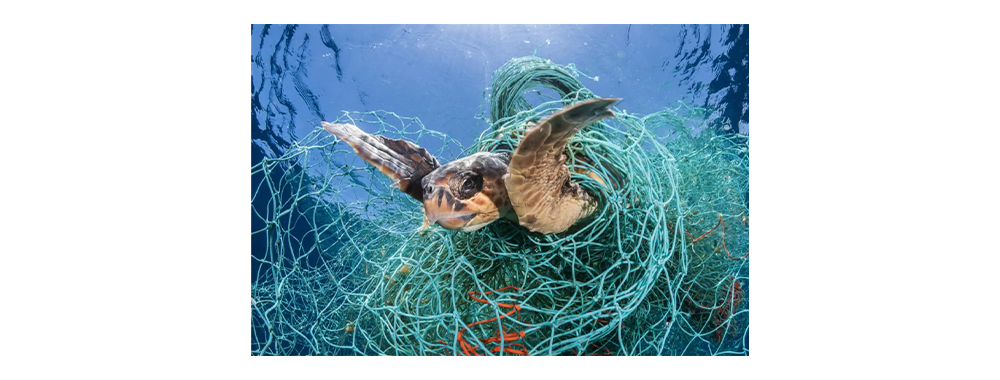
Over 640,000 tons of fishing gear are abandoned in the world’s oceans every year. These "ghost nets" continue to trap marine life for decades. Organizations like The Ocean Cleanup and regional fishing cooperatives retrieve these nets and route them into recycling streams—directly into nylon regeneration facilities.

 Sea turtles trapped in ghost nets

Sea turtles trapped in ghost nets

Industrial and Post-Consumer Streams

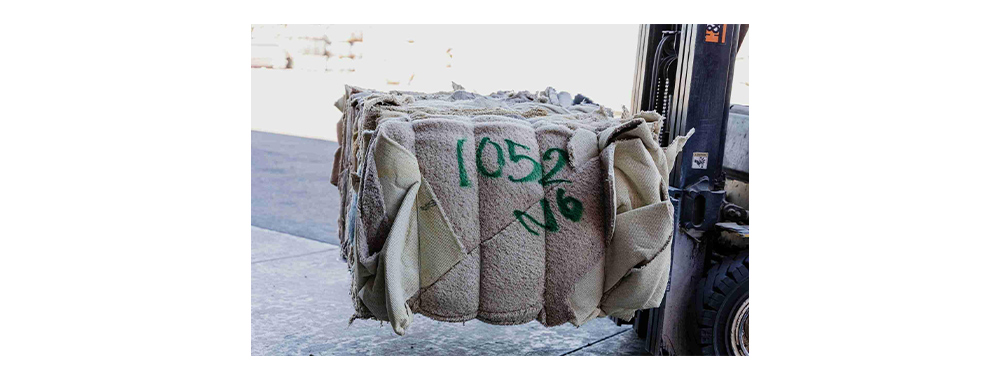
Carpet replacement cycles in commercial buildings generate massive volumes of nylon 6 waste. Similarly, textile mills produce off-cuts and selvedge trimmings that are mechanically or chemically recycled back into usable polymer.

 The picture shows discarded nylon 6 carpet waste

The picture shows discarded nylon 6 carpet waste


3.  How Recycled Nylon Fabric Is Made

Understanding the production flow helps buyers assess supplier capabilities and ask the right audit questions.

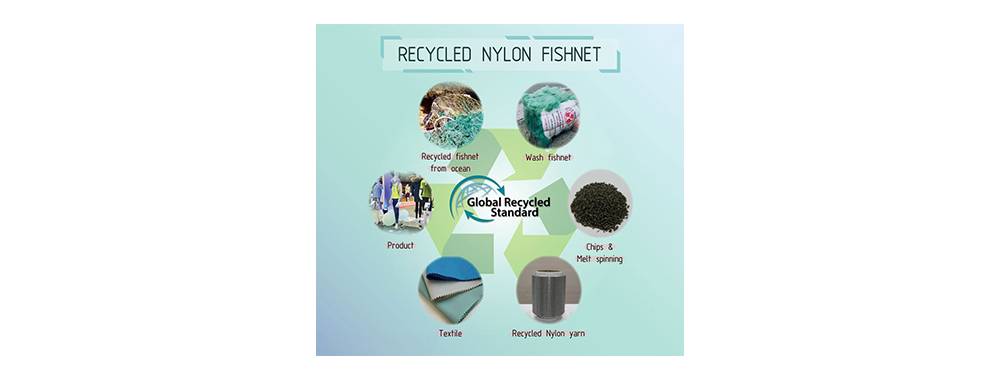
    • Step 1: Collection & Sorting Ghost nets and industrial scrap are gathered, sorted by polymer type (nylon 6 vs. nylon 6,6), and stripped of contaminants like metal weights, rubber, and organic residue.
    • Step 2: Cleaning & Shredding The material is washed, dried, and shredded into small flakes or chips.
    • Step 3: Chemical or Mechanical Recycling
      • Chemical recycling (used by premium producers like Aquafil for ECONYL®) breaks nylon down to its original monomer (caprolactam), purifying it completely before re-polymerization.
      • Mechanical recycling melts and re-extrudes the chips directly, which is more cost-effective but may have slightly more limited color consistency for light shades.
    • Step 4: Extrusion & Spinning The purified polymer is melted and extruded into filaments, then drawn and spun into yarn.
    • Step 5: Weaving / Knitting The yarn is woven into fabrics such as twill, ripstop, canvas, or plain weave—each suited to different bag constructions.

 The picture shows the production process of recycled nylon

The picture shows the production process of recycled nylon


4.  Why Recycled Nylon Works for Bags

In our production experience, recycled nylon is particularly well-suited to the following bag categories:

Bag Category

Recommended Fabric

Why It Works

Backpacks & Daypacks

420D–840D ripstop or twill

High abrasion resistance; lightweight yet tough

Travel Duffels & Luggage

1680D ballistic nylon (recycled)

Extreme tear strength; holds up to airport handling

Cosmetic Pouches & Toiletry Bags

Lightweight 210D–420D with PU/TPU coating

Soft hand feel; easy to clean; water-resistant

Tote Bags & Shopper Bags

300D–600D canvas-weave recycled nylon

Structured drape; printable surface for branding


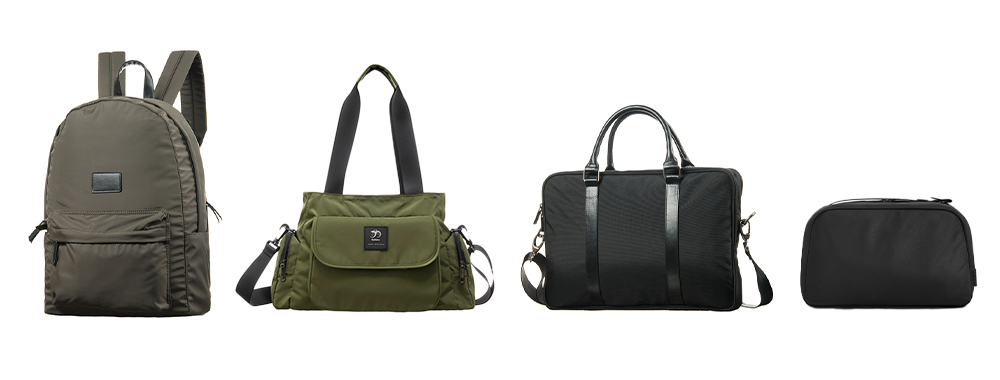
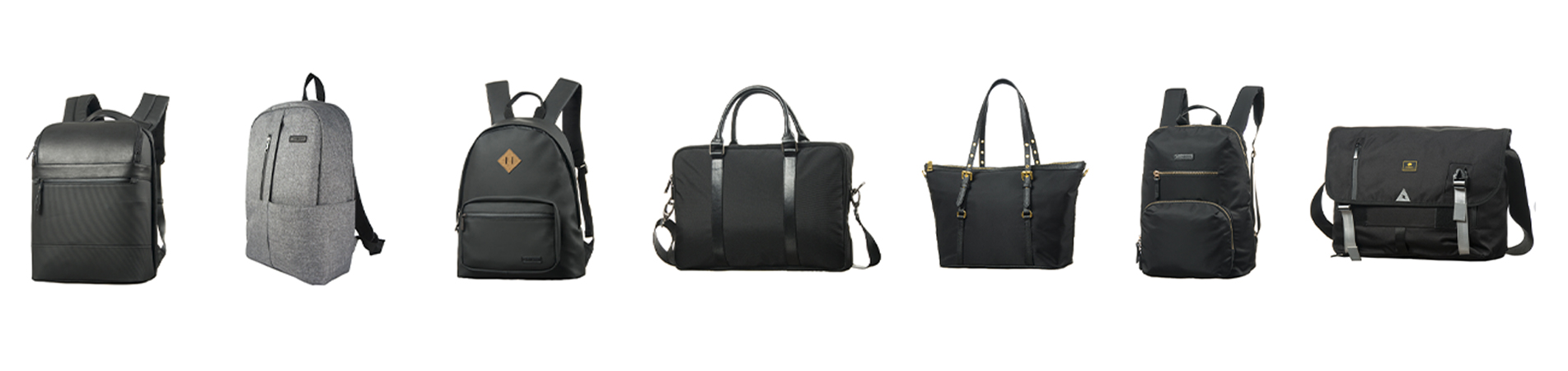
Examples of Bag Types Feasible for Recycled Nylon Fabric

Examples of Bag Types Feasible for Recycled Nylon Fabric


Performance Benefits

    • Abrasion Resistance: Passes Martindale testing standards (ISO 12947-2) ,outstanding performance.
    • Water & UV Resistance: Easily paired with C0 or C6 DWR (durable water repellent) finishes and UV stabilizers.
    • Color Range: Modern recycled nylons dye evenly; available in both stock colors and custom Pantone matching.
    • Weight Consistency: Denier counts (210D, 420D, 600D, 1680D) map directly to virgin nylon benchmarks.


5.  Certifications That Matter for B2B Buyers

When sourcing recycled nylon for your bag line, insist on documentation that backs up sustainability claims:

    • Global Recycled Standard (GRS): Verifies recycled content, chain of custody, and social/environmental criteria throughout the supply chain. This is the most widely requested certification in bag manufacturing.
    • OEKO-TEX Standard 100: Ensures the finished fabric is free from harmful substances.

At SYNBERRY, we work with GRS-certified fabric suppliers and can provide full traceability documentation for clients requiring compliance packaging.


6.  Practical Sourcing Considerations

  • Cost Position

Recycled nylon typically commands a 10–30% premium over virgin nylon, depending on denier, weave, and order volume. For most bag projects, this translates to a modest per-unit increase that is easily absorbed into retail pricing—especially when marketed as a sustainability feature.

  • Minimum Order Quantities (MOQ)

Stock colors in common deniers (e.g., 420D black) often have low MOQ. Custom-dyed or custom-woven recycled nylon usually requires 1,000–3,000 meters per color. We advise clients to align color strategies across a collection to consolidate fabric orders.

  • Lead Time

Recycled nylon availability has improved significantly, but custom orders still add 2–4 weeks to the standard fabric procurement timeline compared to virgin stock. Factor this into your production calendar.

  • Printing & Branding

Recycled nylon accepts screen printing, heat-transfer, and sublimation well. For embossed logos or rubber patches, the base fabric’s texture (ripstop vs. plain) should be matched to the decoration method.


7.  Is Recycled Nylon Right for Your Next Collection?

If your brand is building (or expanding) an eco-conscious product line, recycled nylon is one of the most mature, performance-proven sustainable materials available today. It requires no design compromises, integrates seamlessly into existing bag constructions, and delivers a credible sustainability story that resonates with both B2B distributors and end consumers.


Work With a Manufacturer That Understands Sustainable Materials

At SYNBERRY BAG, we don’t just sew bags—we help brands make informed material decisions. Whether you need GRS-certified recycled nylon backpacks, water-resistant recycled nylon cosmetic pouches, or a full collection built around circular materials, our team can guide you from fabric selection through final QC.


Ready to develop your recycled nylon bag line?

Contact us for a free consultation, fabric swatch request, or project quote.

SYNBERRY BAG — Custom Bag Manufacturer | OEM & ODM Bags | GRS-Certified Bag Factory


  Author  


핫 태그 : Recycled Nylon
문의하기
주소 : Unit 905, Block B, Jinri Building, No. 88 Anling Second Road, Huli District, Xiamen, Fujian, China
연락하기

계속 읽어보시고, 계속해서 소식을 받아보시고, 구독하세요. 귀하의 생각을 알려주시면 감사하겠습니다.

Linkedin WhatsApp Facebook instagram

저작권 @2024 Synberry Bag & Package Products Co.,Ltd 모든 권리 보유 . 네트워크 지원

사이트맵 / 블로그 / Xml / 개인 정보 보호 정책

메시지를 남겨주세요

메시지를 남겨주세요
우리의 전문 지식이 어떻게 최고 품질의 매력적인 제품을 제공할 수 있는지 논의하게 되어 기쁩니다. 여기에서 대화를 시작하세요. 연결하고 창조해 봅시다!
제출하다

제품

왓츠앱

문의하기